 Where to Plant


Overview
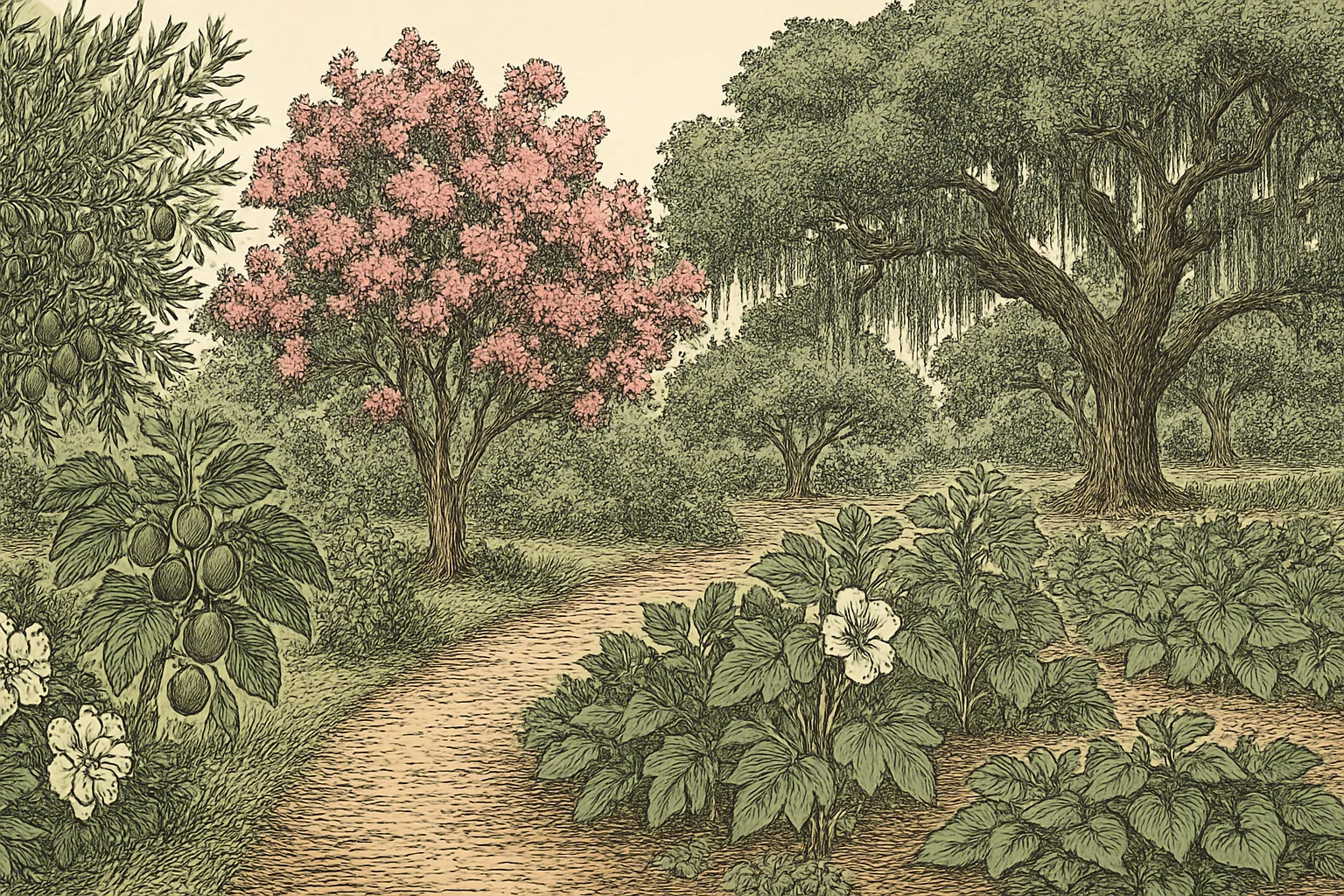
Zone 8 is the entry point to Sun Belt gardening. With only occasional light frosts (winter lows of 10 to 20°F) and a nearly nine-month growing season, this is where Mediterranean and subtropical plants become realistic outdoor candidates. Olives grow in the ground. Figs produce abundantly. Citrus becomes possible in sheltered spots.
The biggest mistake Zone 8 gardeners make is treating it like a cooler zone. Summer heat is the limiting factor for most plants — not winter cold. Northern transplants struggle here because they don't get enough winter chill or burn in summer. Zone 8 is its own gardening world, and the sooner you embrace that, the better your results will be.
Where Zone 8 Is
Zone 8 covers much of the southern US: the Southeast coastal plains (Georgia, Alabama, Mississippi, the Carolinas), much of Texas, the lower Pacific Northwest coast (coastal Oregon and Washington), and the warm interior valleys of California. It includes major metropolitan areas like Atlanta, Dallas, Houston, Seattle's lower elevations, and much of the San Francisco Bay Area.
Climate & Challenges
Zone 8 winters are mild — occasional light frosts are normal but extended deep cold is rare. Winter minimums average 10-20°F, though individual cold snaps can briefly push lower. The frost-free window is about 260 days, long enough to grow essentially anything that doesn't require substantial winter chill.
Summers in Zone 8 are the real story. Temperatures regularly exceed 90°F for weeks at a time in eastern and central Zone 8. Houston and Dallas can see 100°F+ days. Western Zone 8 (coastal California, Pacific Northwest) is cooler but can still have significant heat. Humidity varies enormously — from the drenched humidity of the Gulf Coast to the arid heat of interior California.
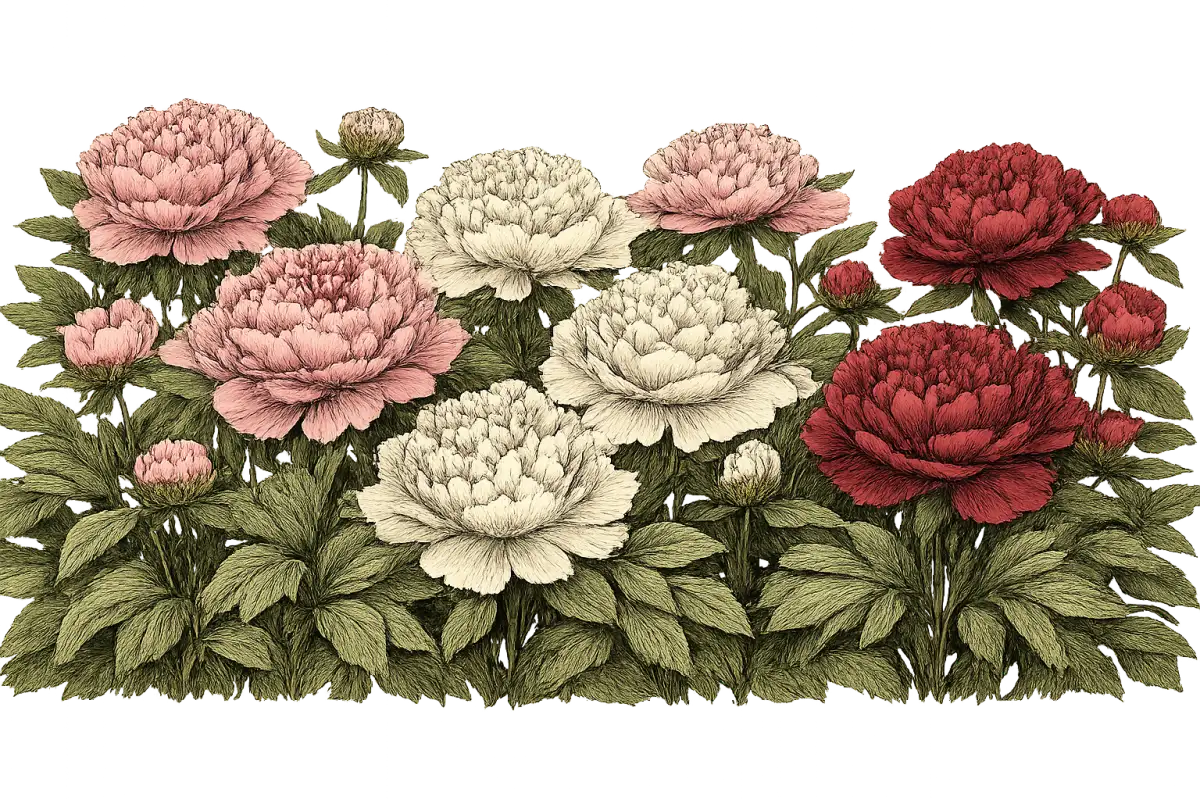
Main challenges: Summer heat is the primary challenge. Many 'heat-tolerant' varieties actually struggle with the sustained heat of Zone 8 summers. Cool-season crops must be grown in the cooler shoulder seasons (fall, winter, early spring) rather than summer. Humidity in eastern Zone 8 creates significant disease pressure — fungal diseases love the warm, wet conditions. Winter chill becomes a limiting factor for plants that need extended cold dormancy: traditional apples, some peonies, and many cold-climate perennials fail to bloom or fruit here.
Best Plants for Zone 8
Below you'll find the best plants for Zone 8organized by category. Each plant is rated on a 5-dot scale: 5 means it thrives here, 4 means it grows well, 3 means it's possible but challenging. Click any plant to see the full growing guide with zone-specific tips.
Best Vegetables for Zone 8
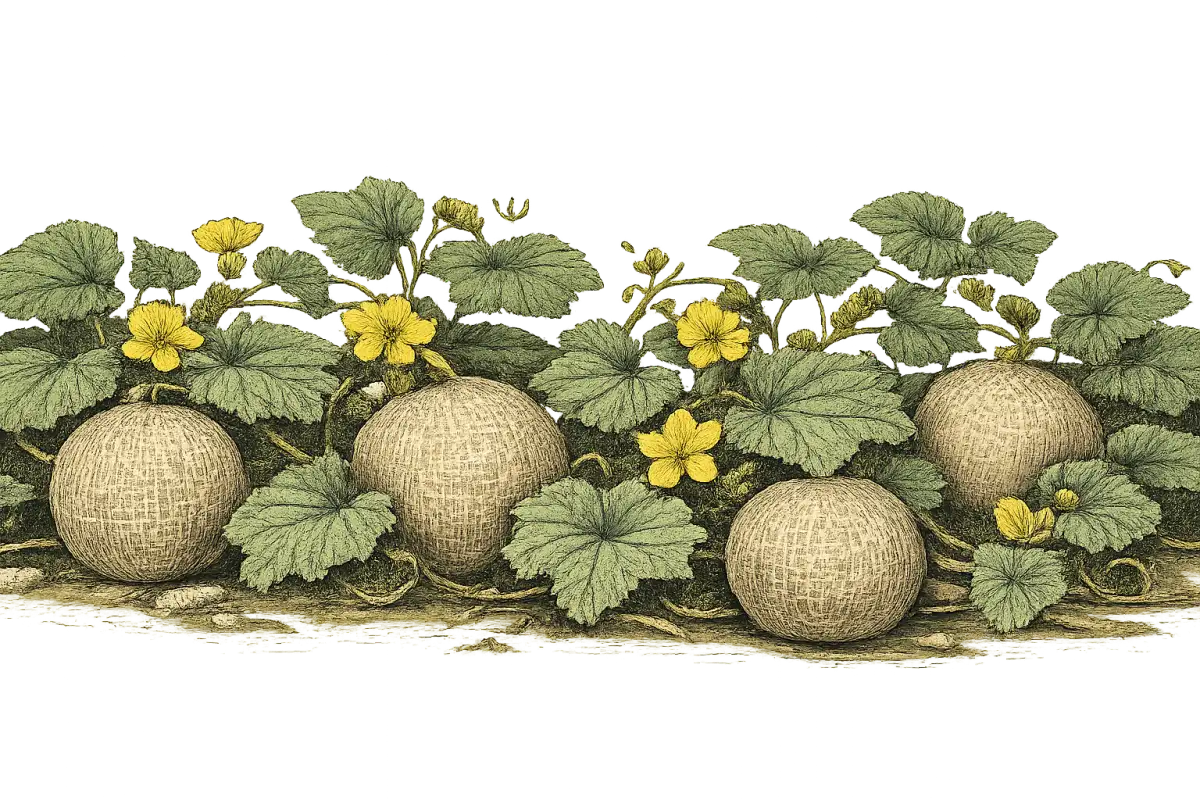
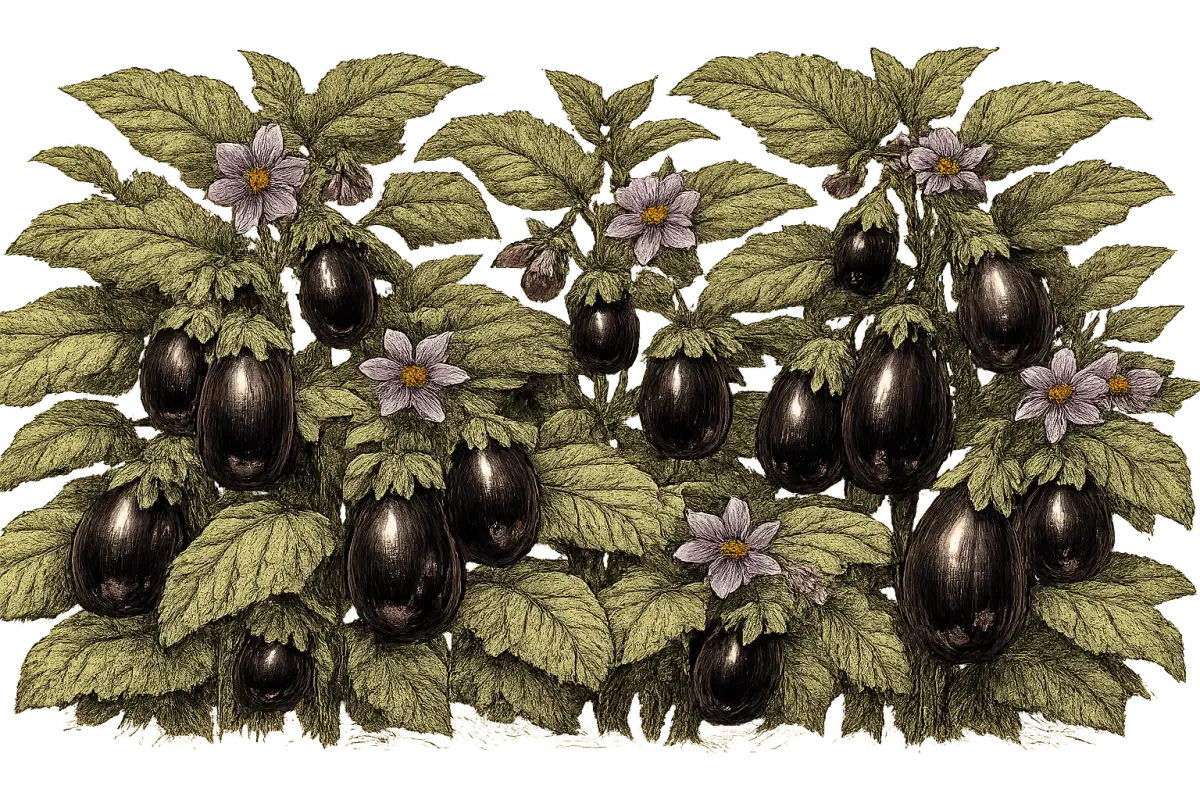
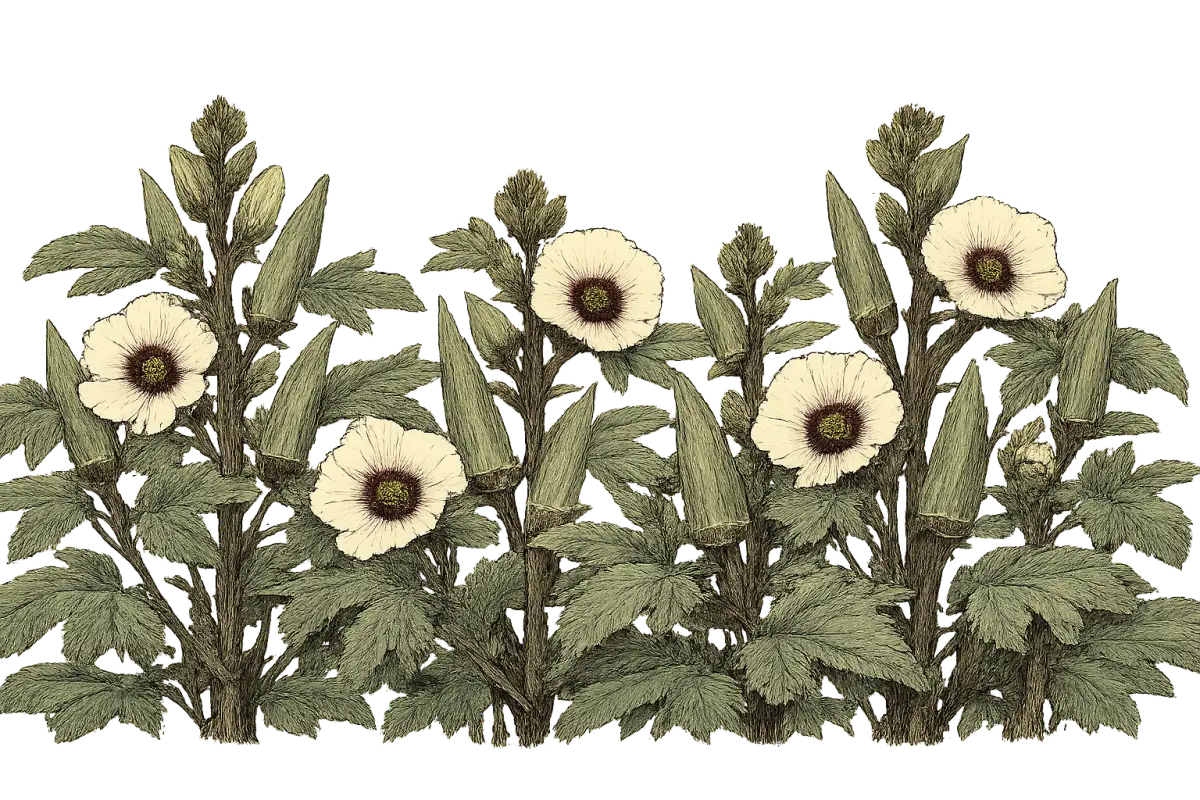
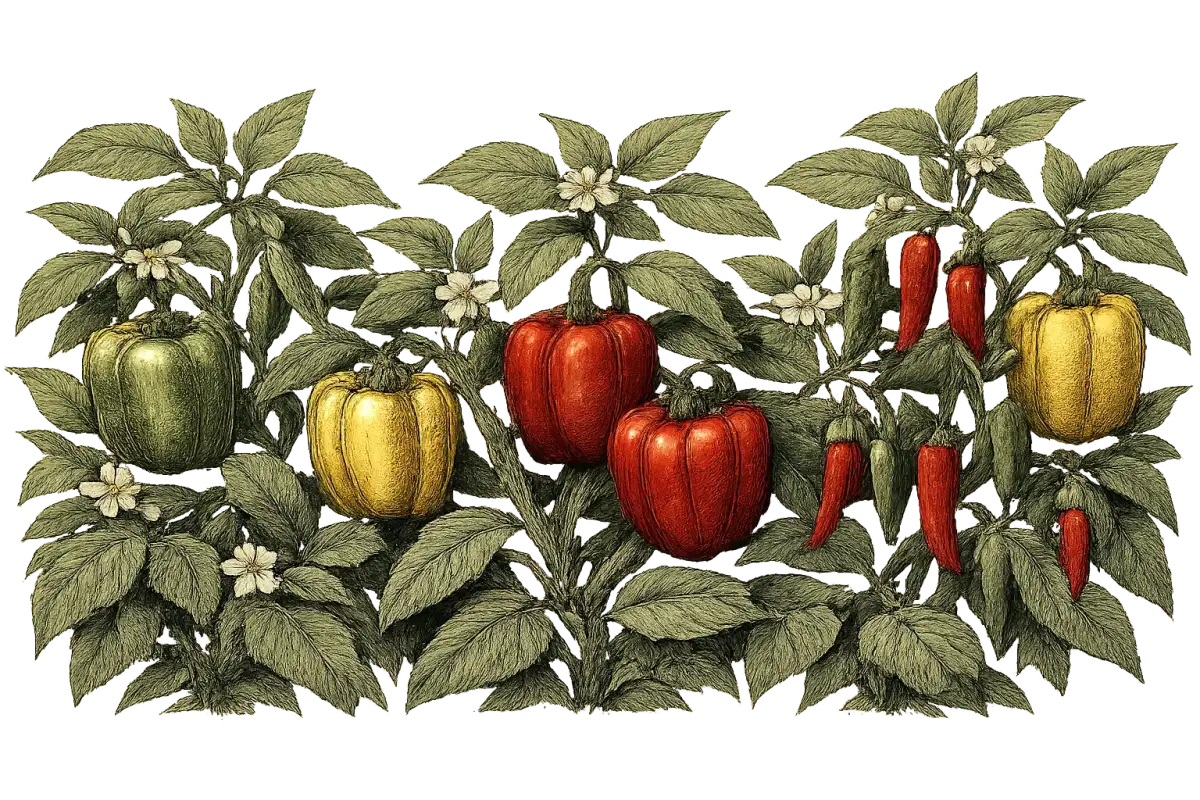
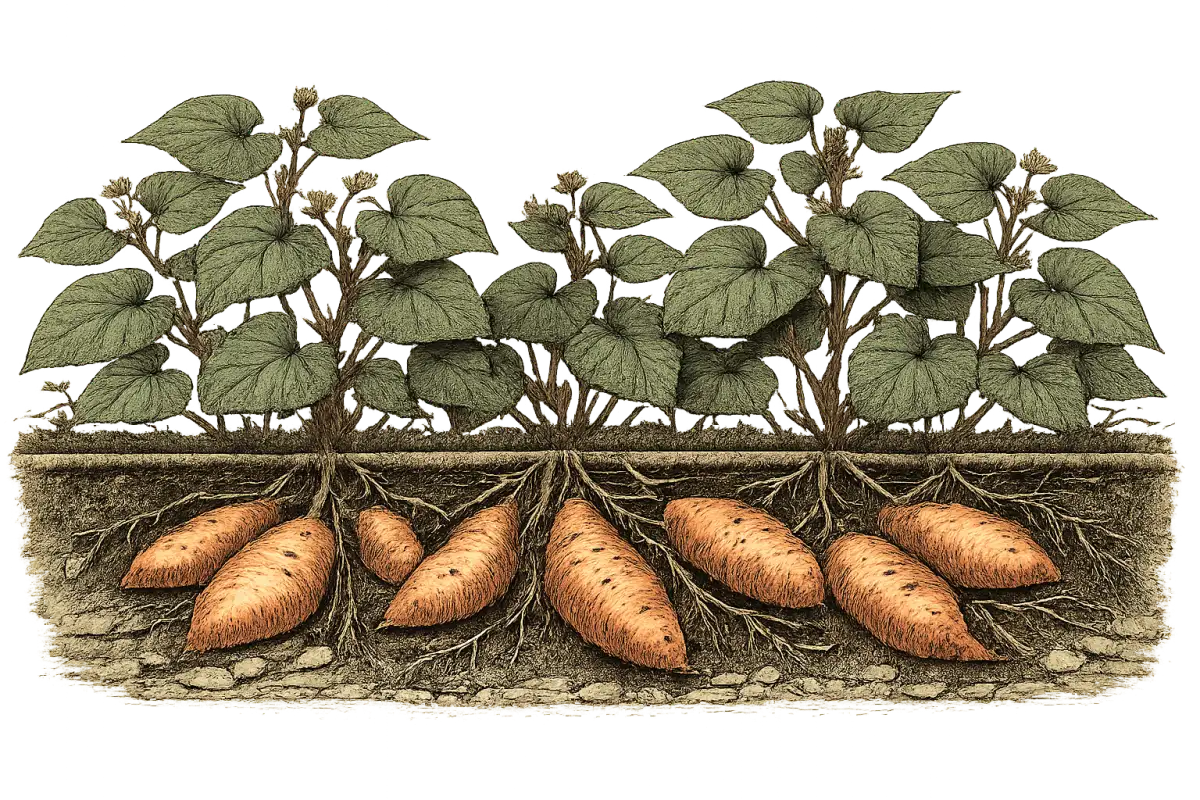
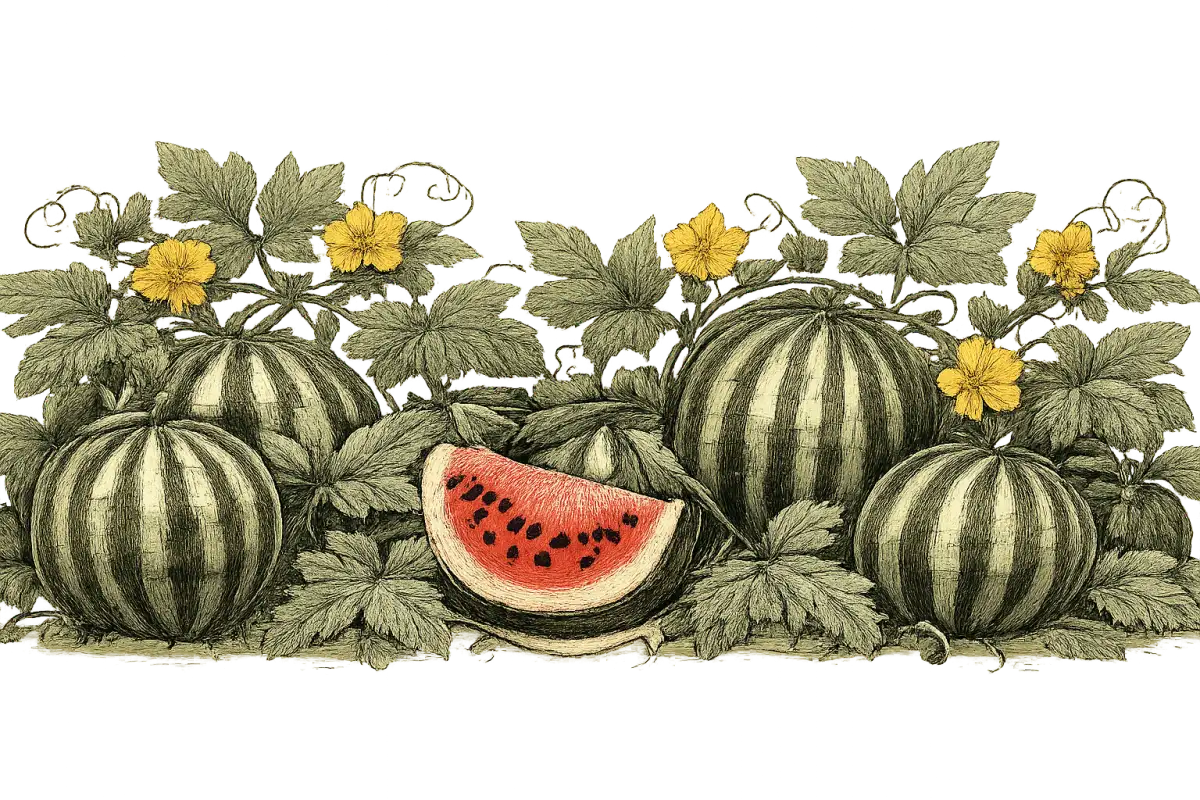
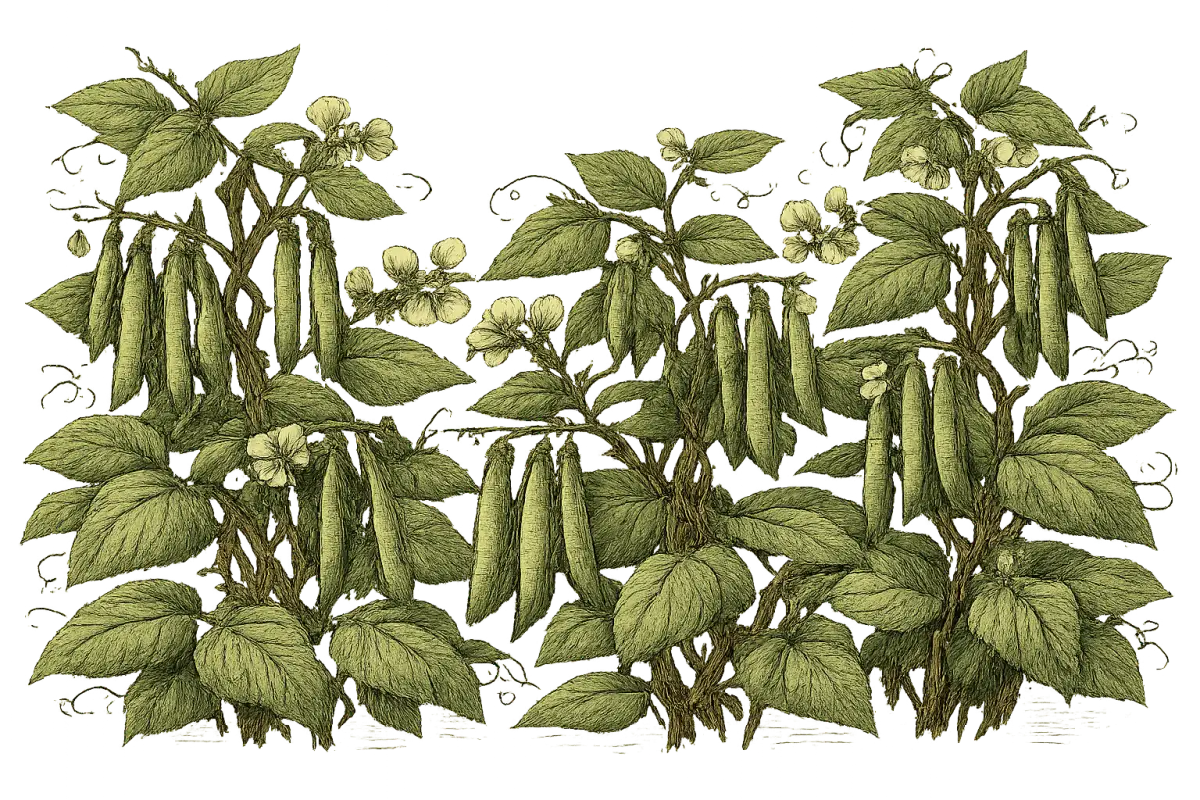
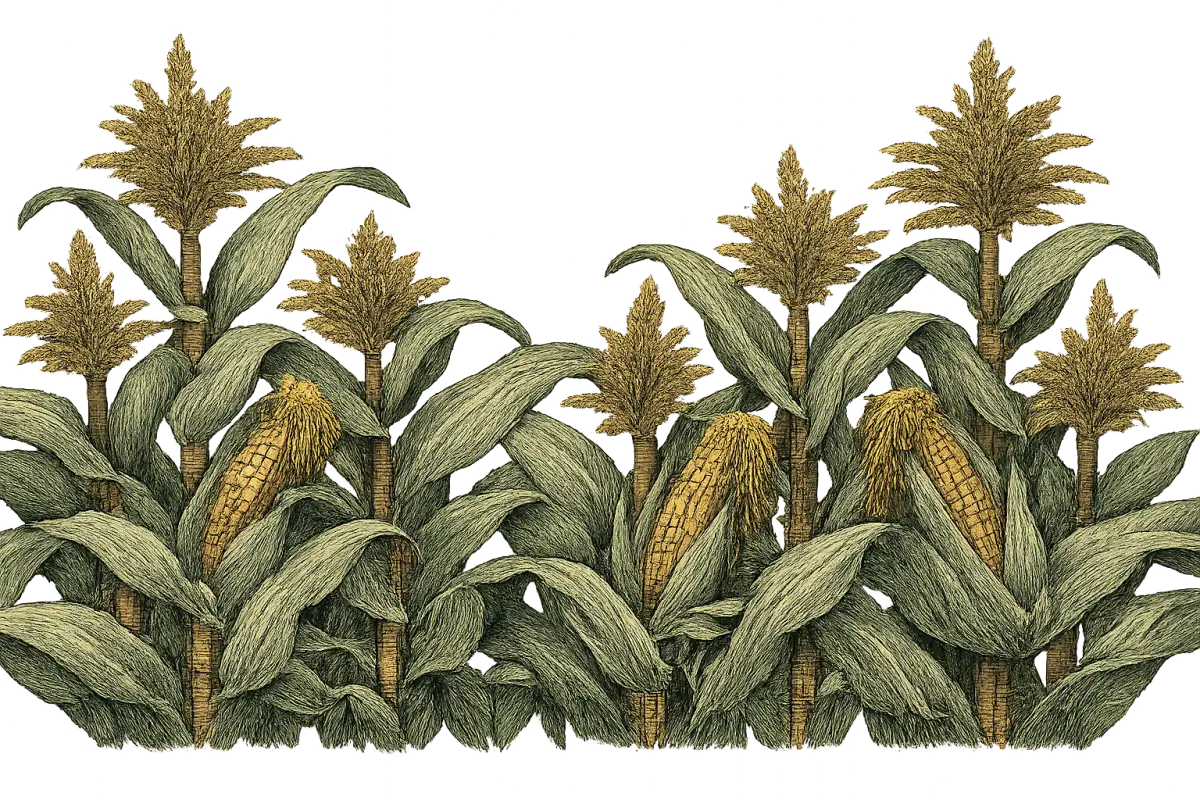
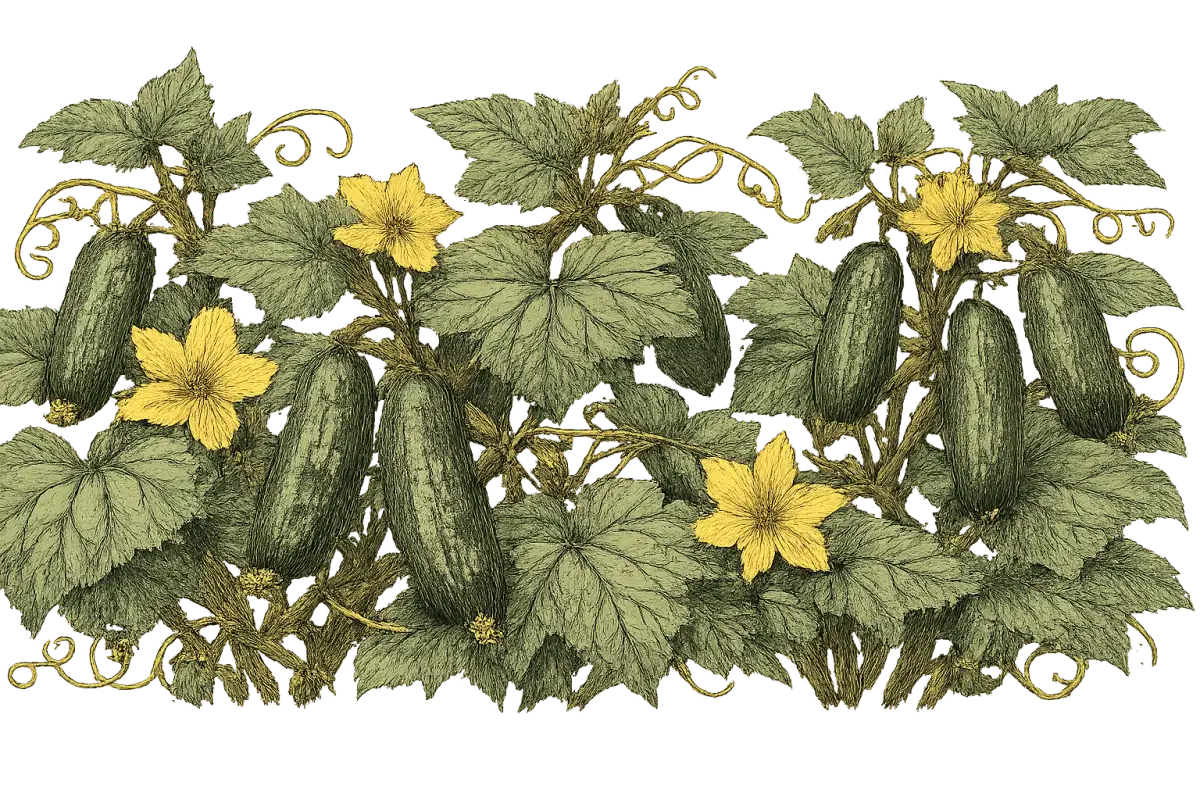
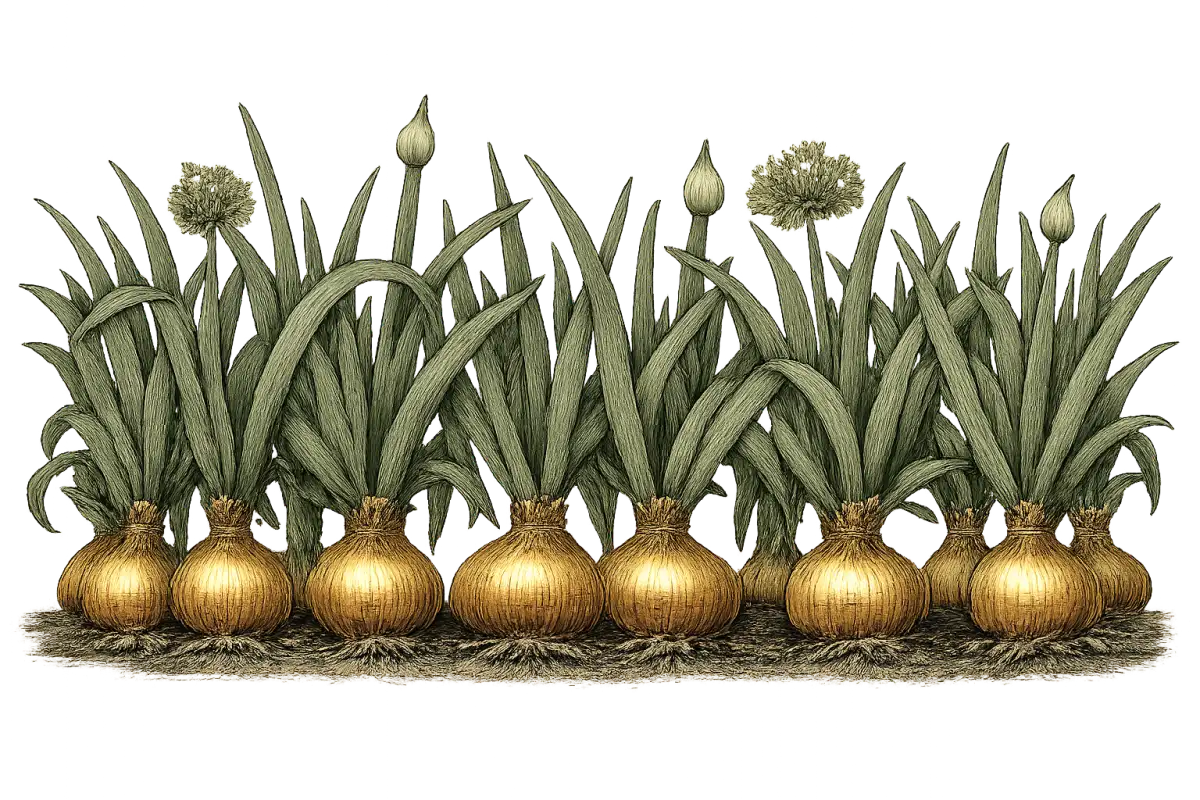
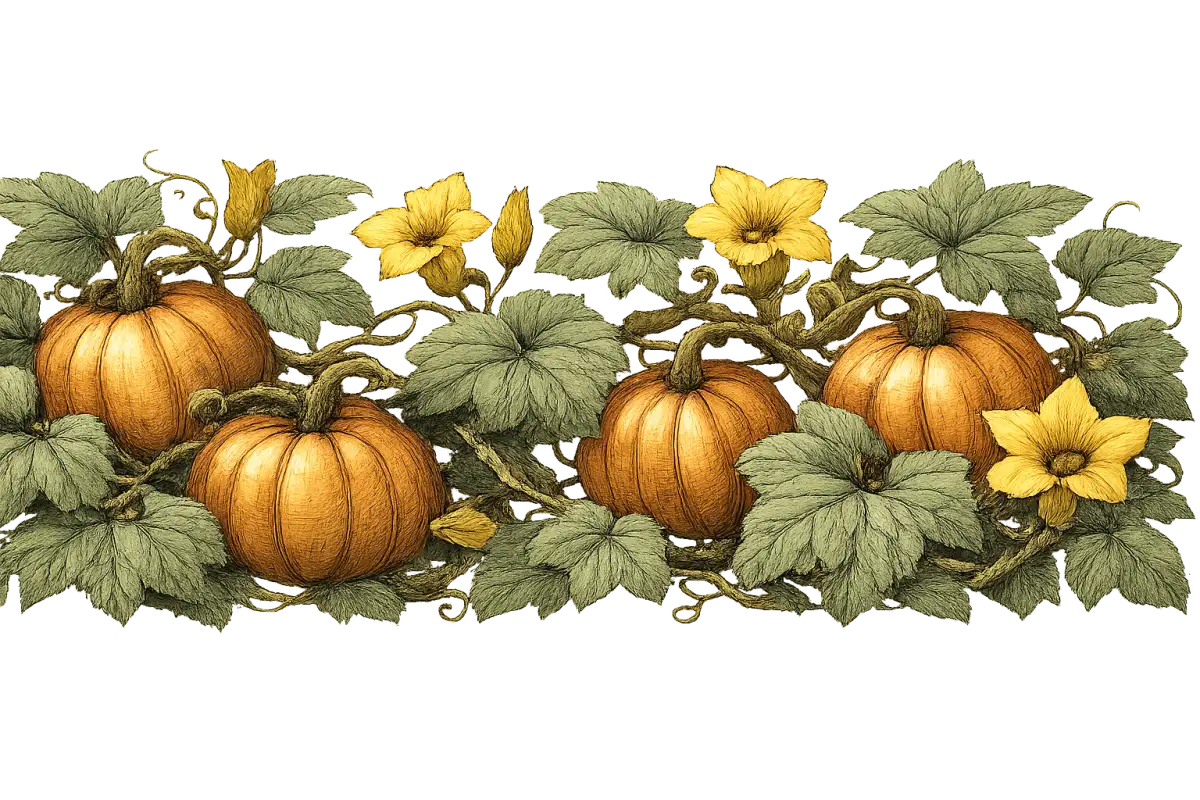
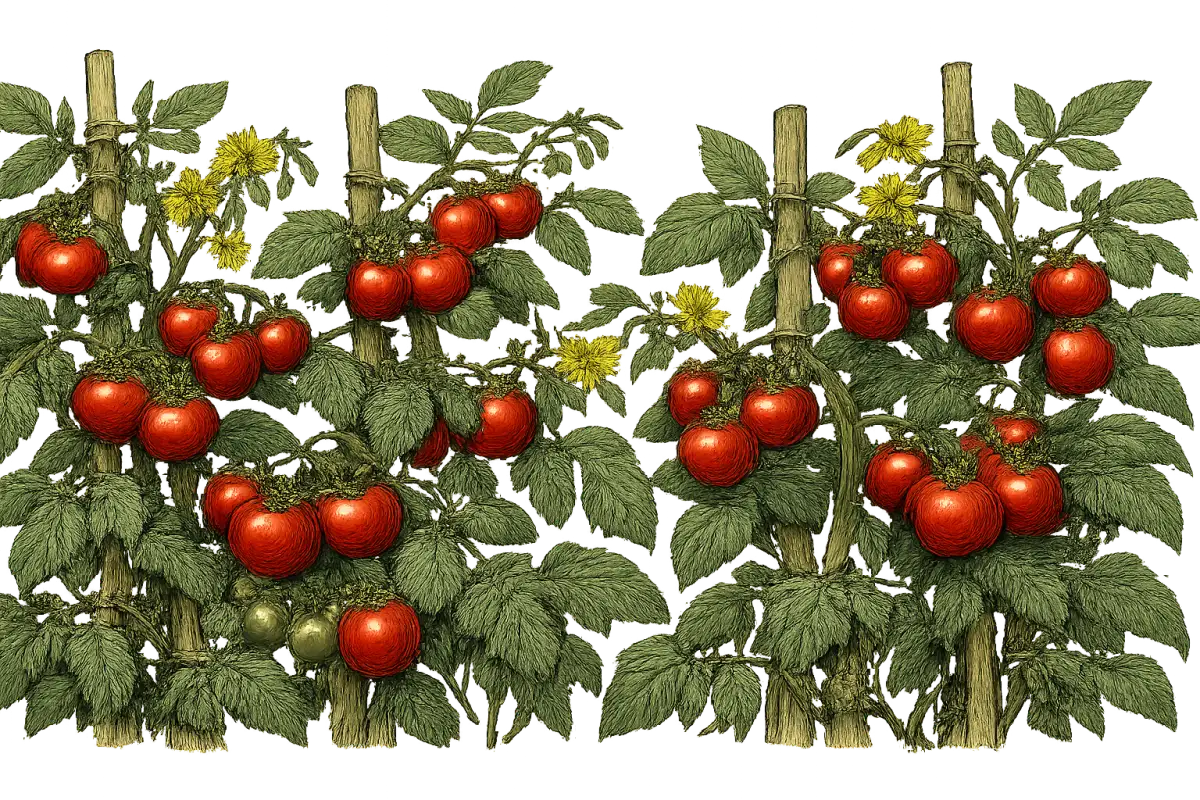
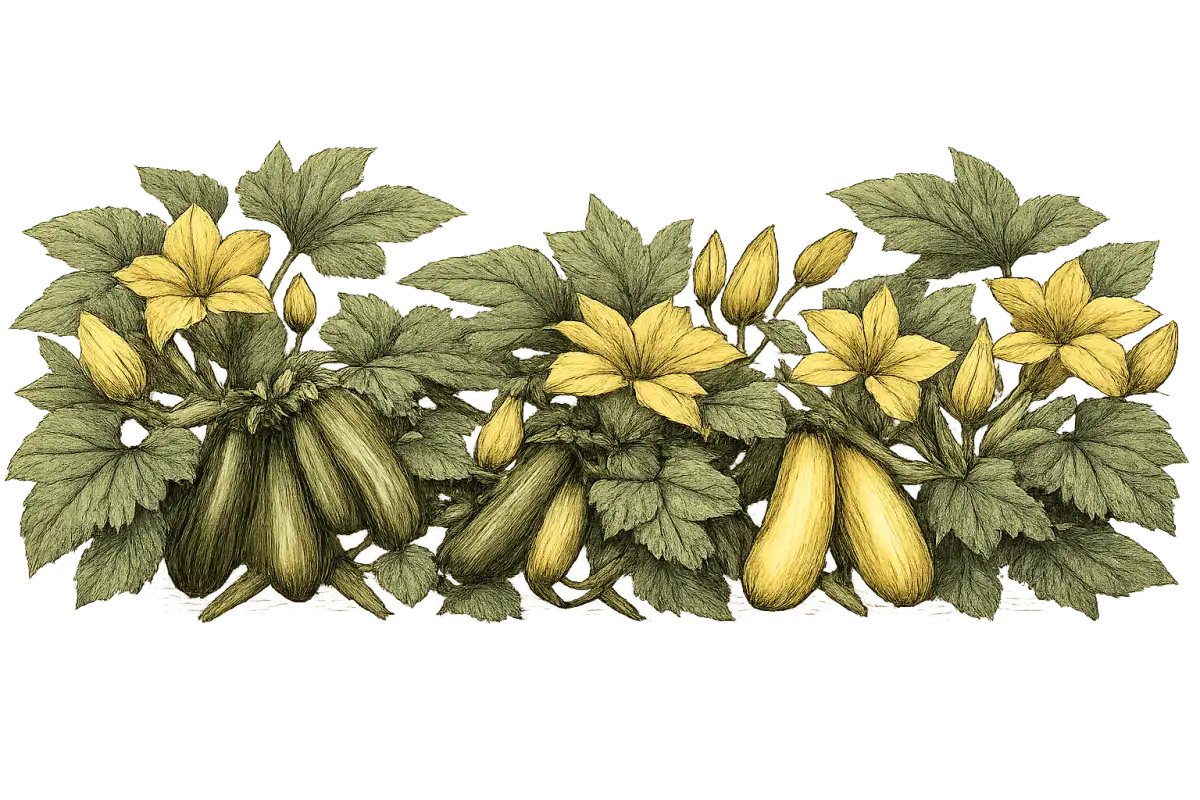
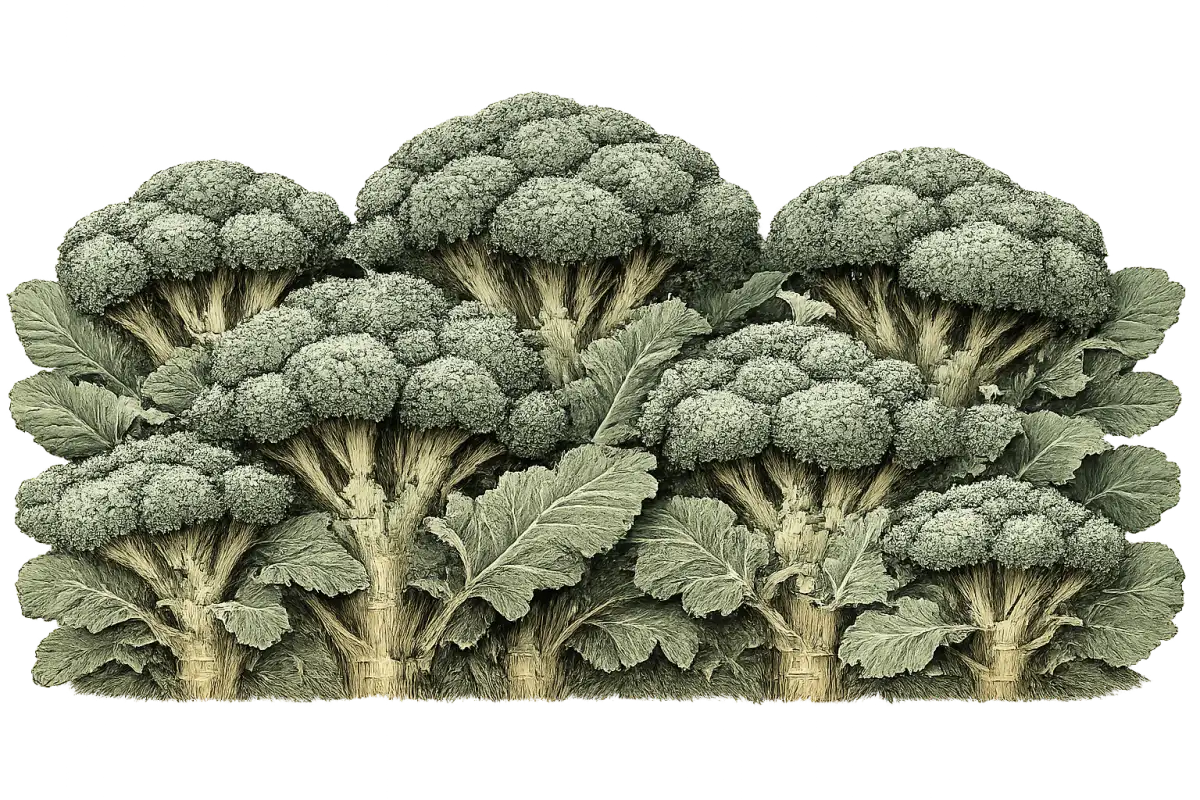
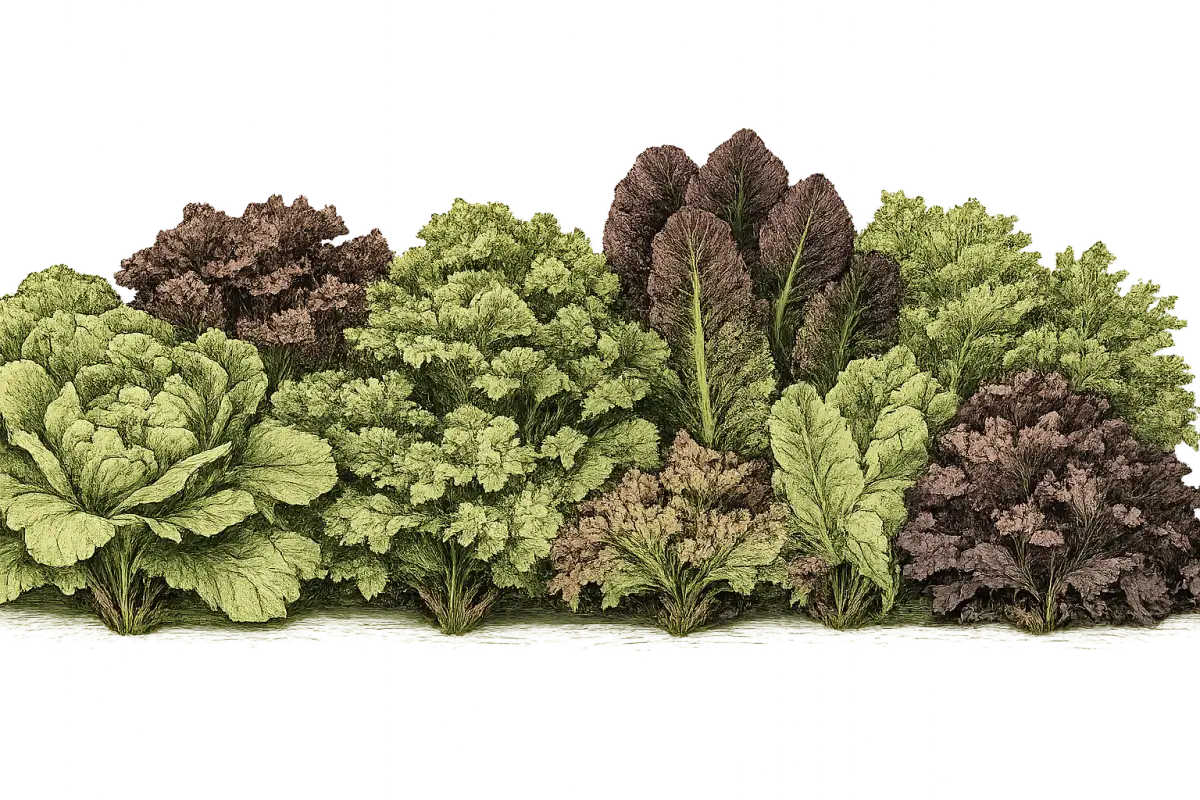
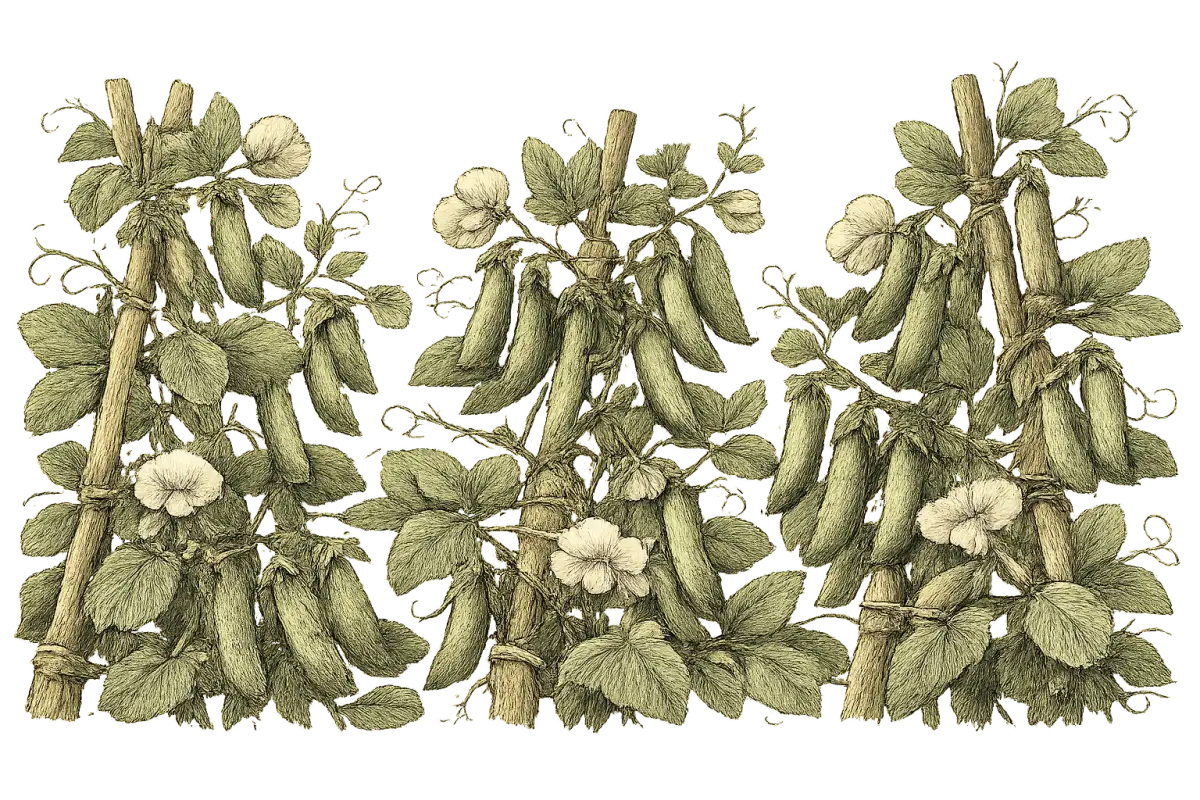
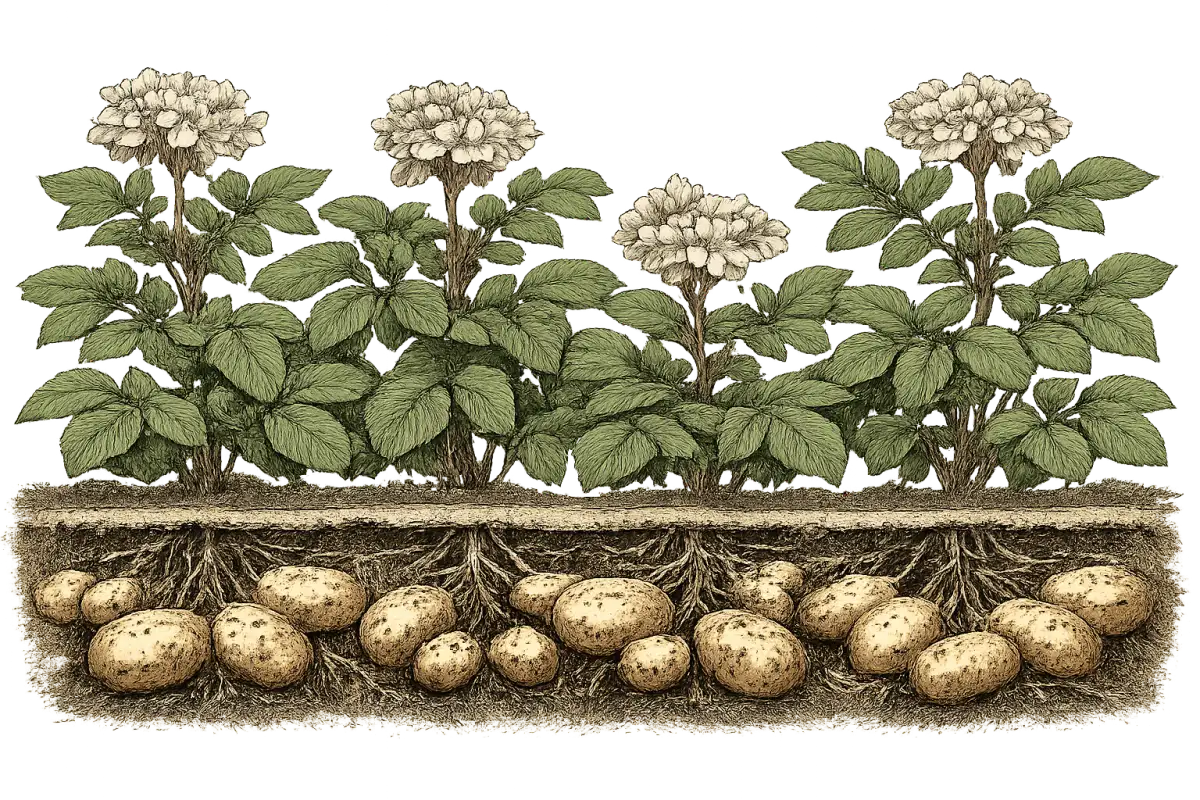
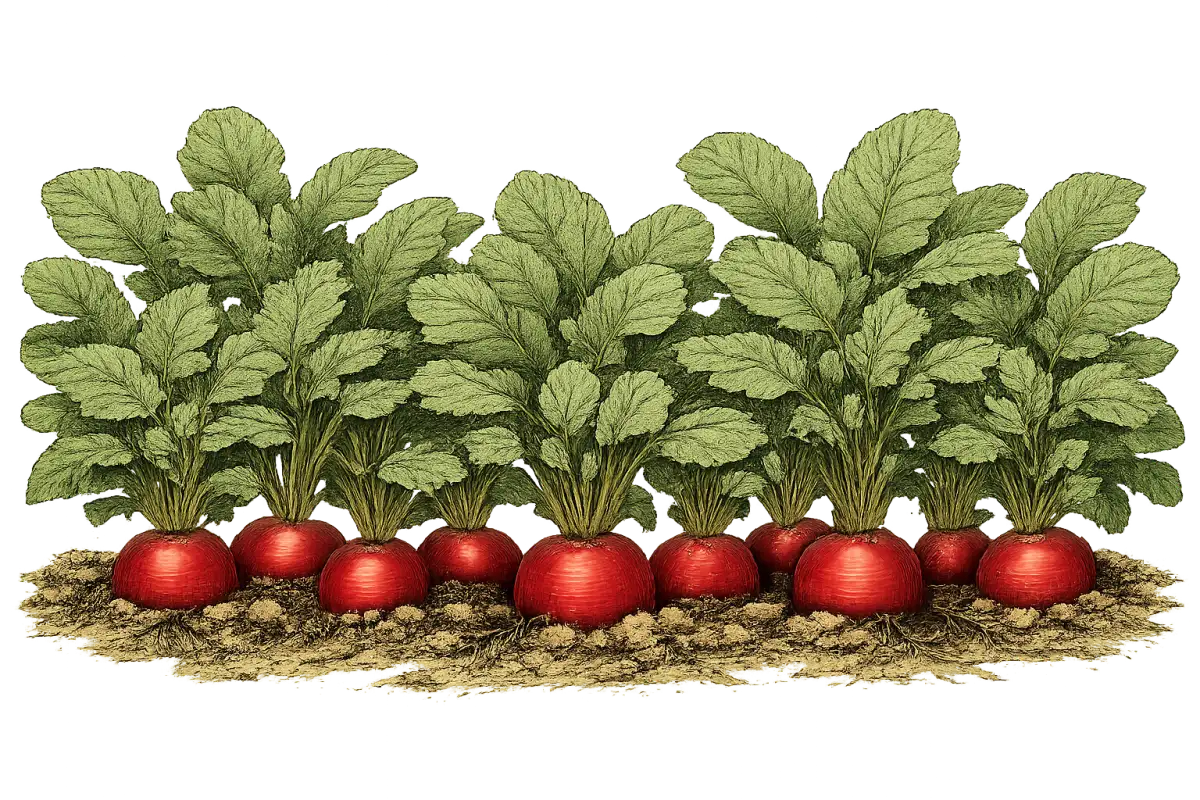
Zone 8 vegetable gardening flips the calendar. Cool-season crops (peas, lettuce, broccoli, cabbage, spinach, kale) grow best in fall, winter, and early spring. Warm-season crops (tomatoes, peppers, okra, sweet potatoes) produce in spring and early summer, often struggling through the hottest part of July and August. Many Zone 8 gardeners plant tomatoes in February-March for a spring harvest, then plant again in August for a fall crop. Okra, sweet potatoes, southern peas, and watermelon thrive in the sustained heat.
Worth trying (rating 3 — possible but challenging):
Best Fruits for Zone 8
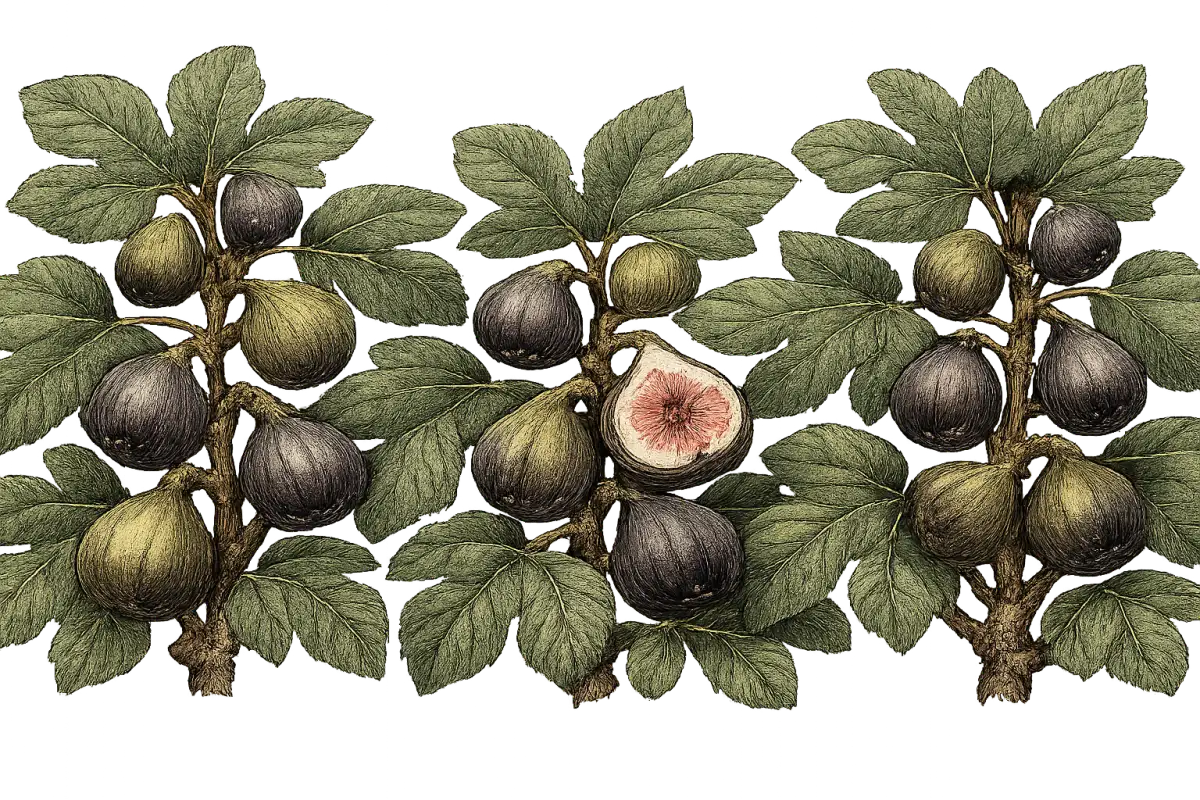
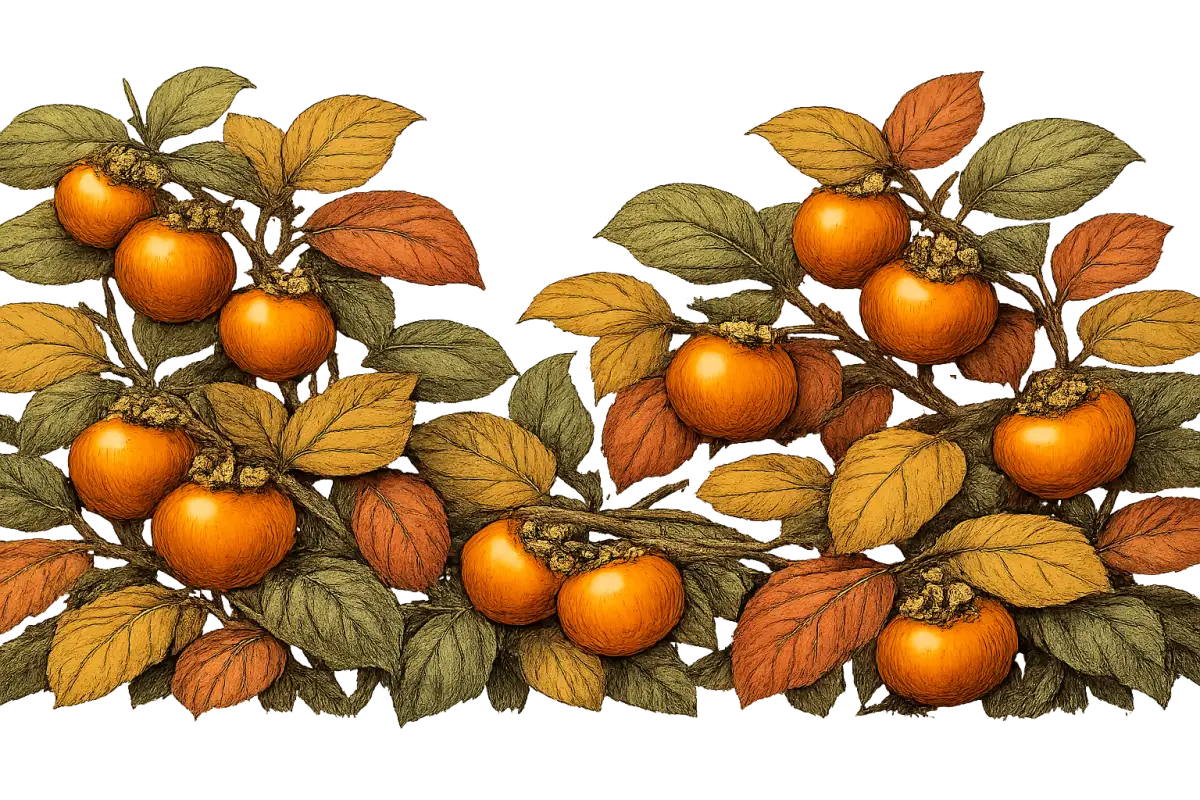
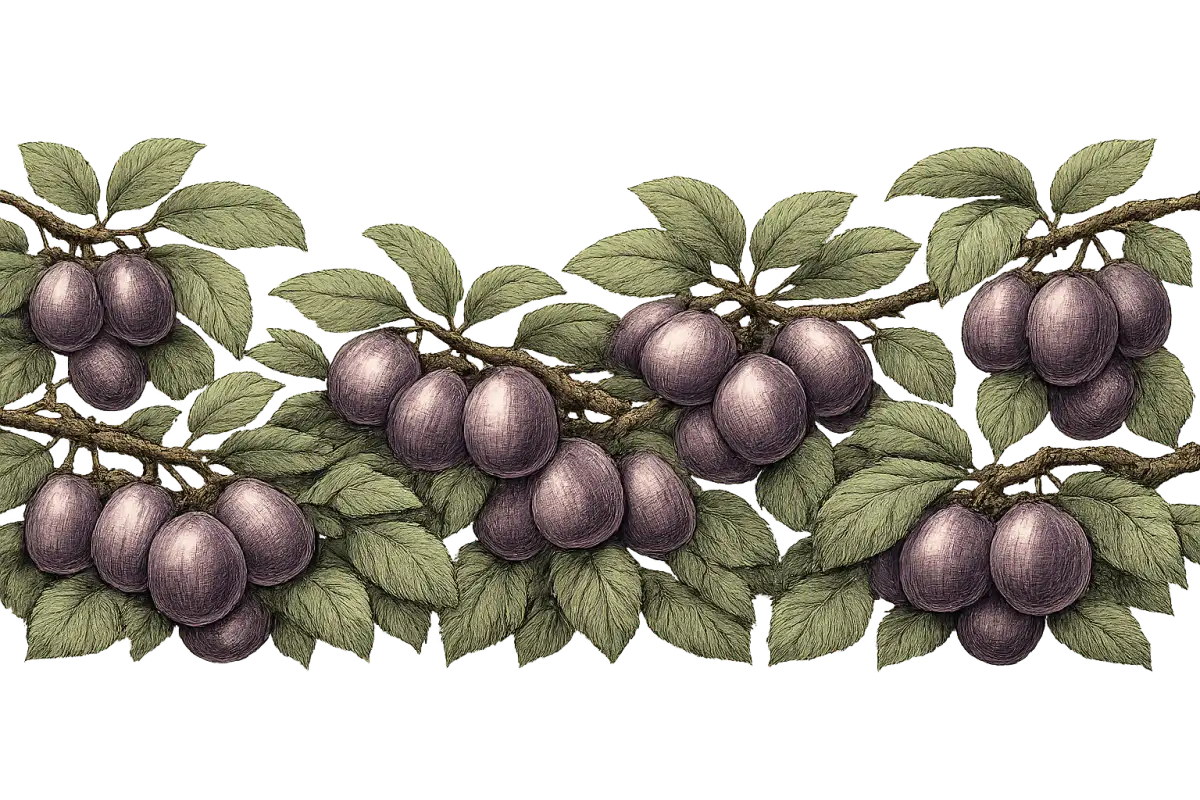
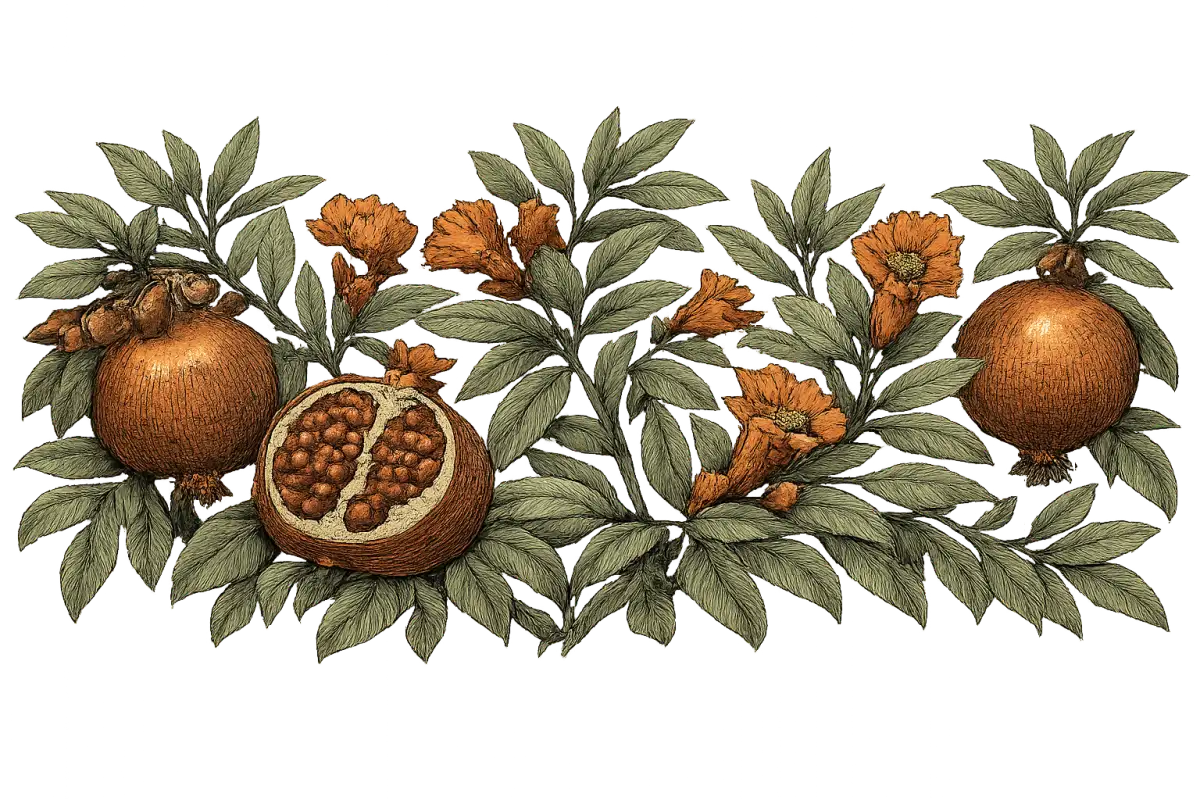
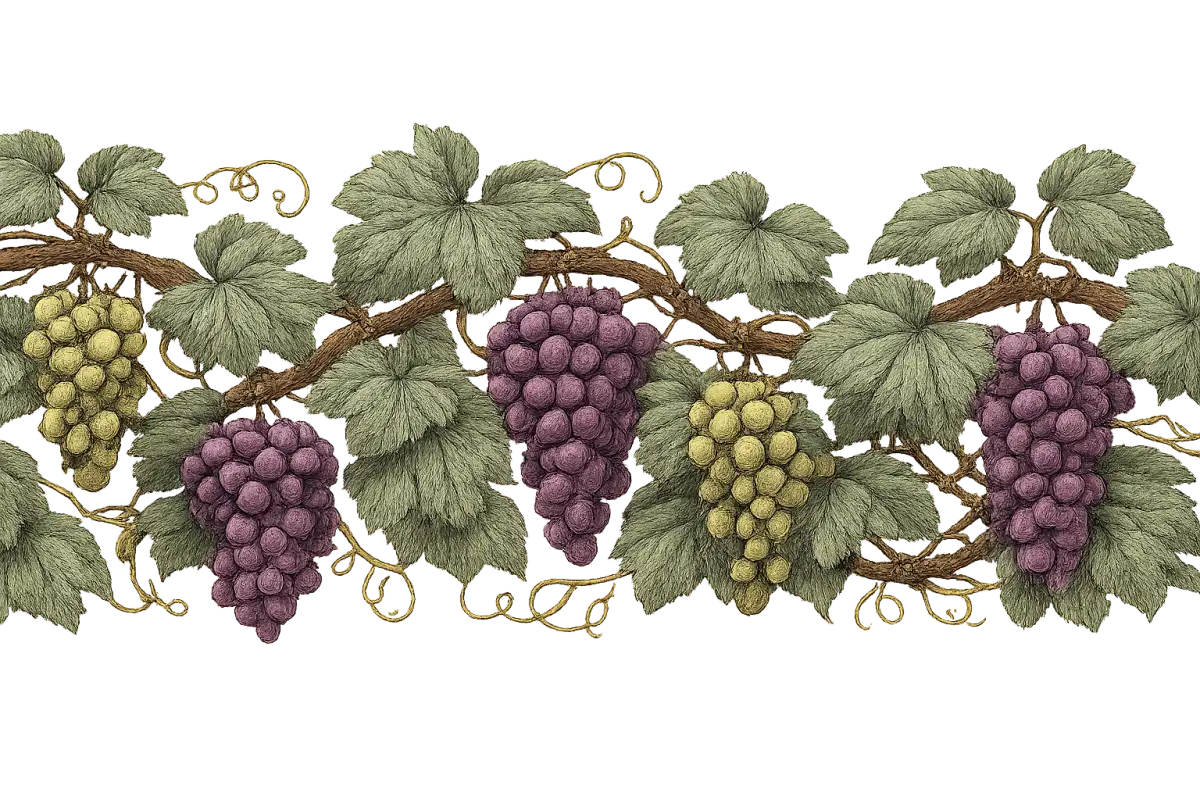
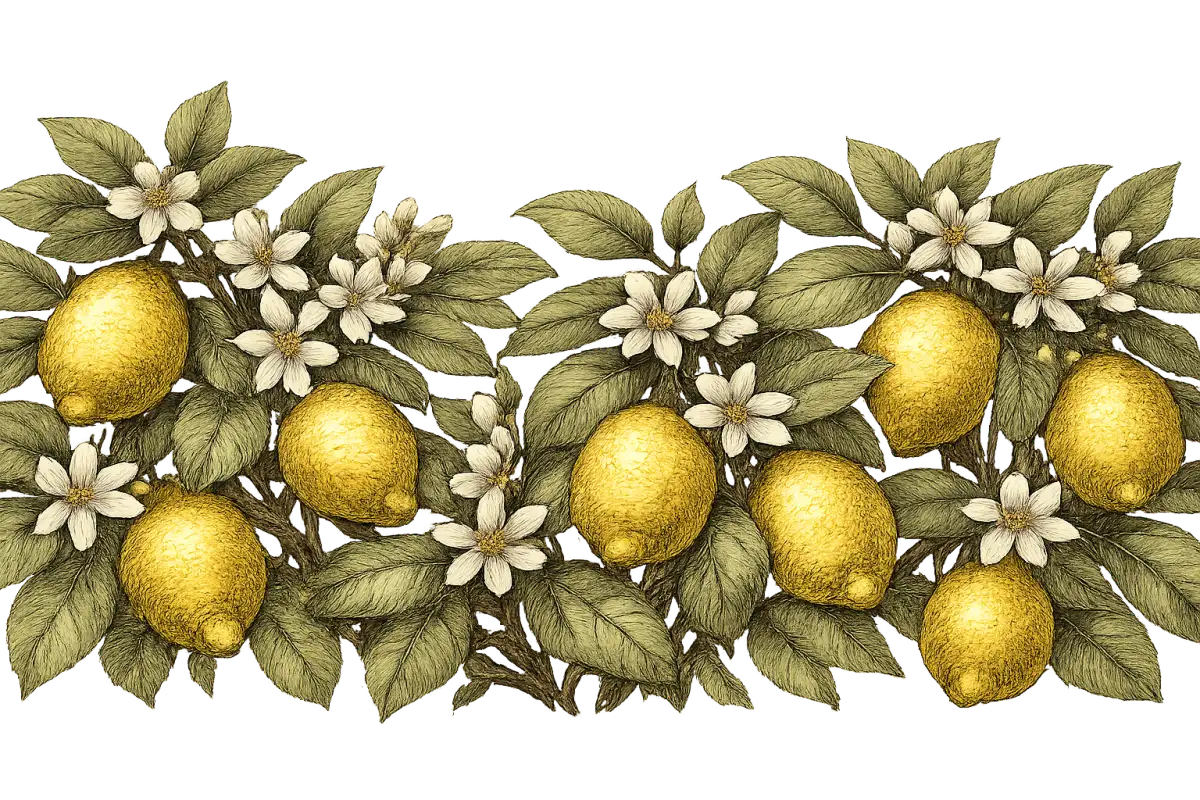
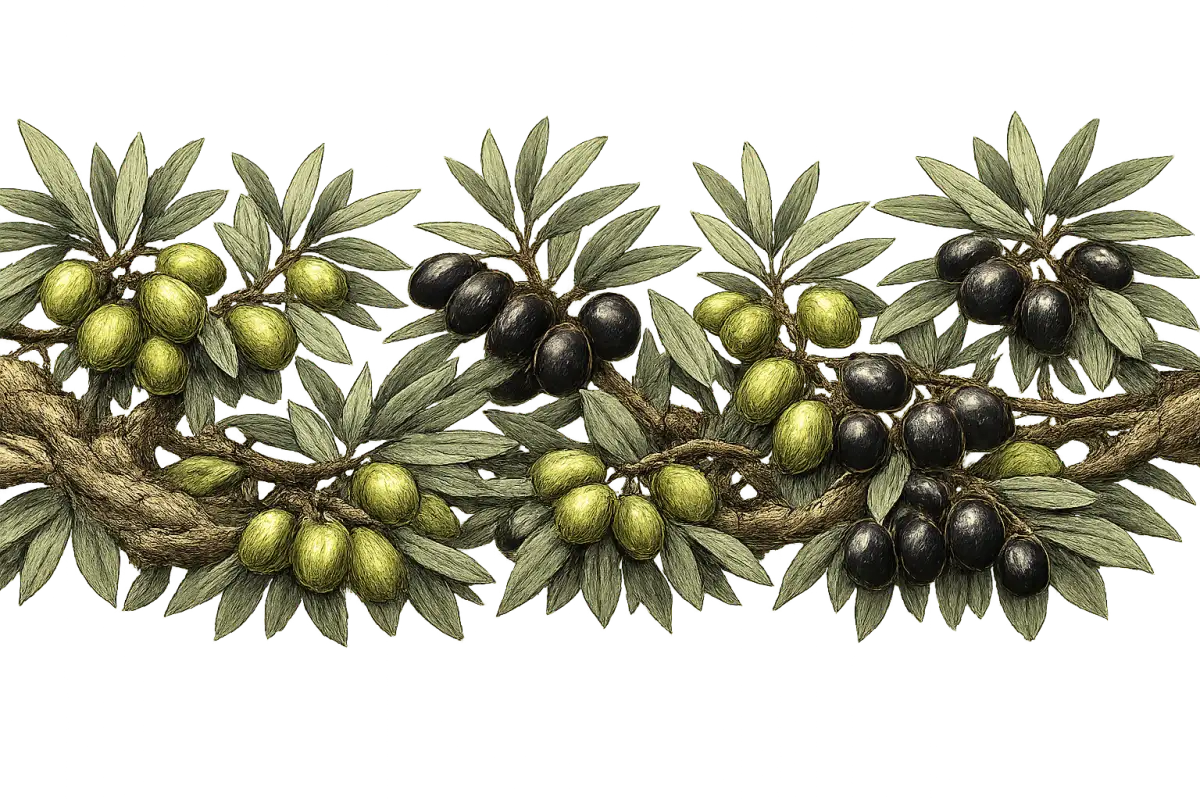
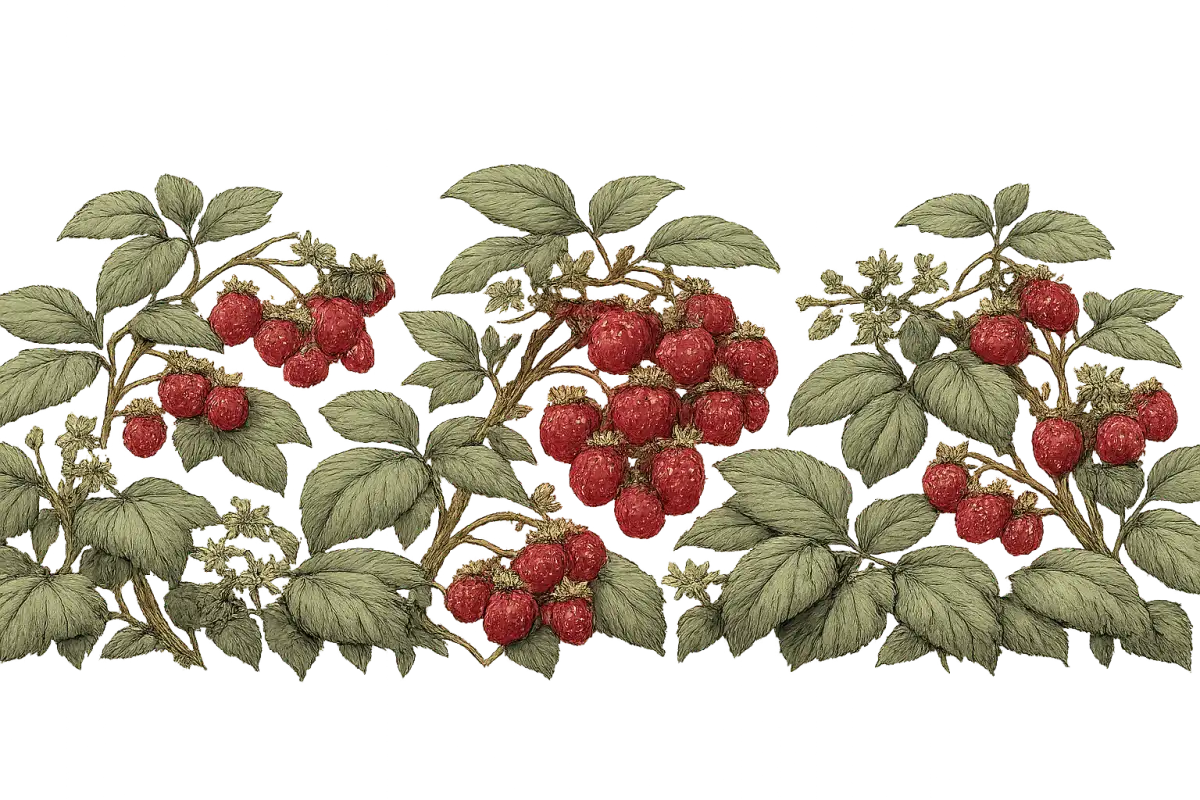
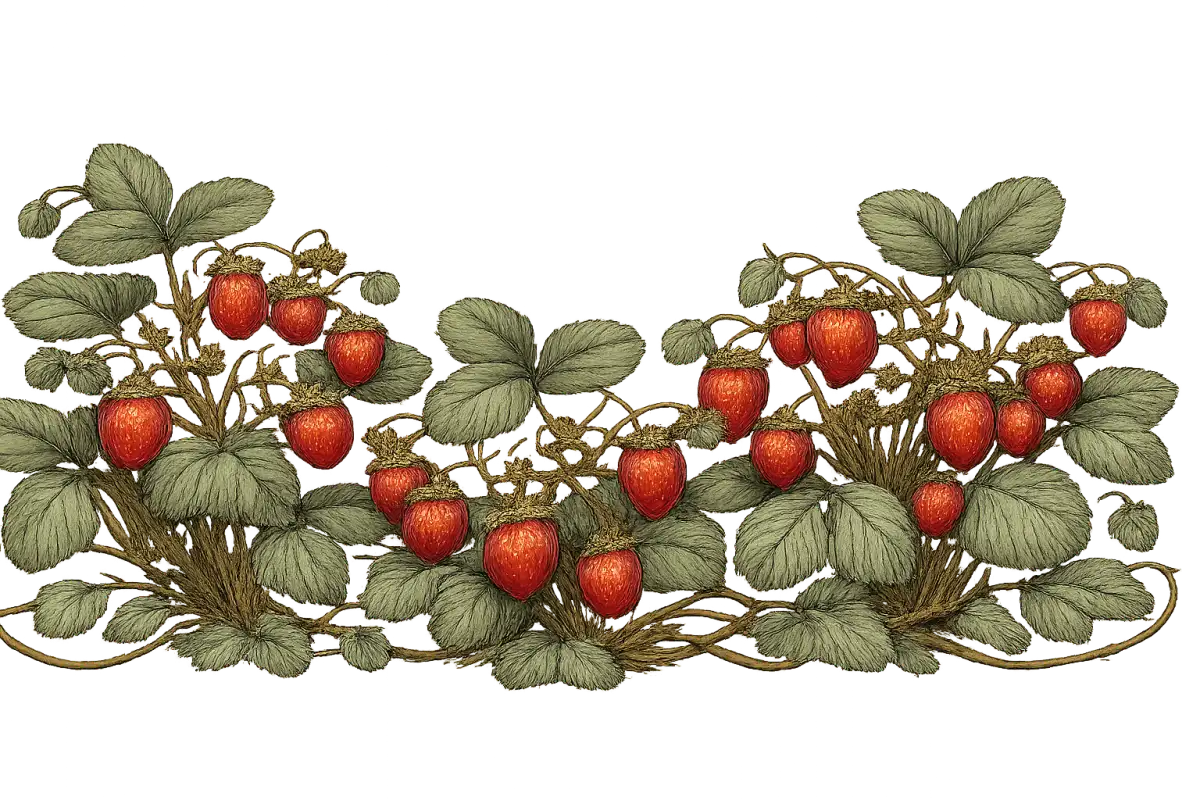
Zone 8 supports an expanding range of fruits. Figs produce abundantly. Pomegranates and persimmons become reliable. Muscadines (southern grapes) thrive — they're actually native to the Southeast Zone 8 region. Citrus becomes possible in sheltered spots, especially in 8b — satsumas, kumquats, and lemons work in protected sites. Low-chill apple and peach varieties exist specifically for Zone 8. Traditional cold-requiring apples fail here because they don't get enough winter chill. Stone fruits in general need low-chill varieties.
Worth trying (rating 3 — possible but challenging):
Best Herbs for Zone 8
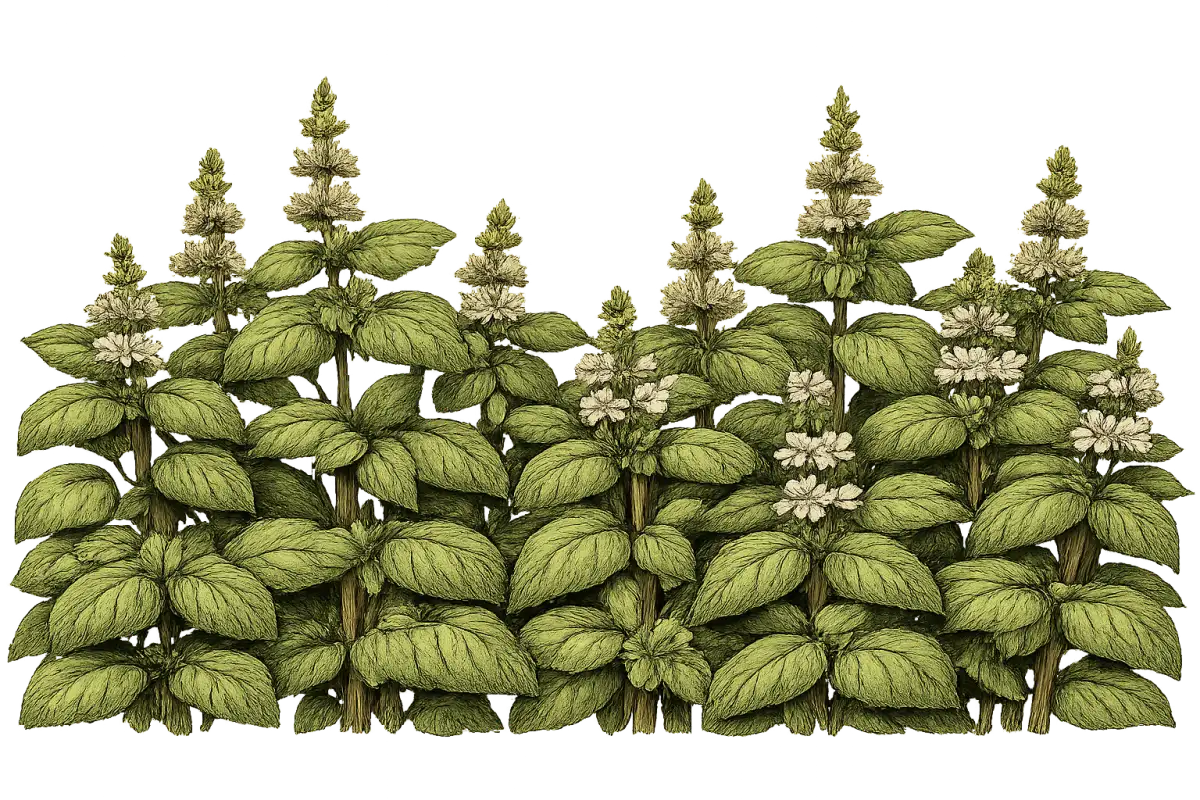
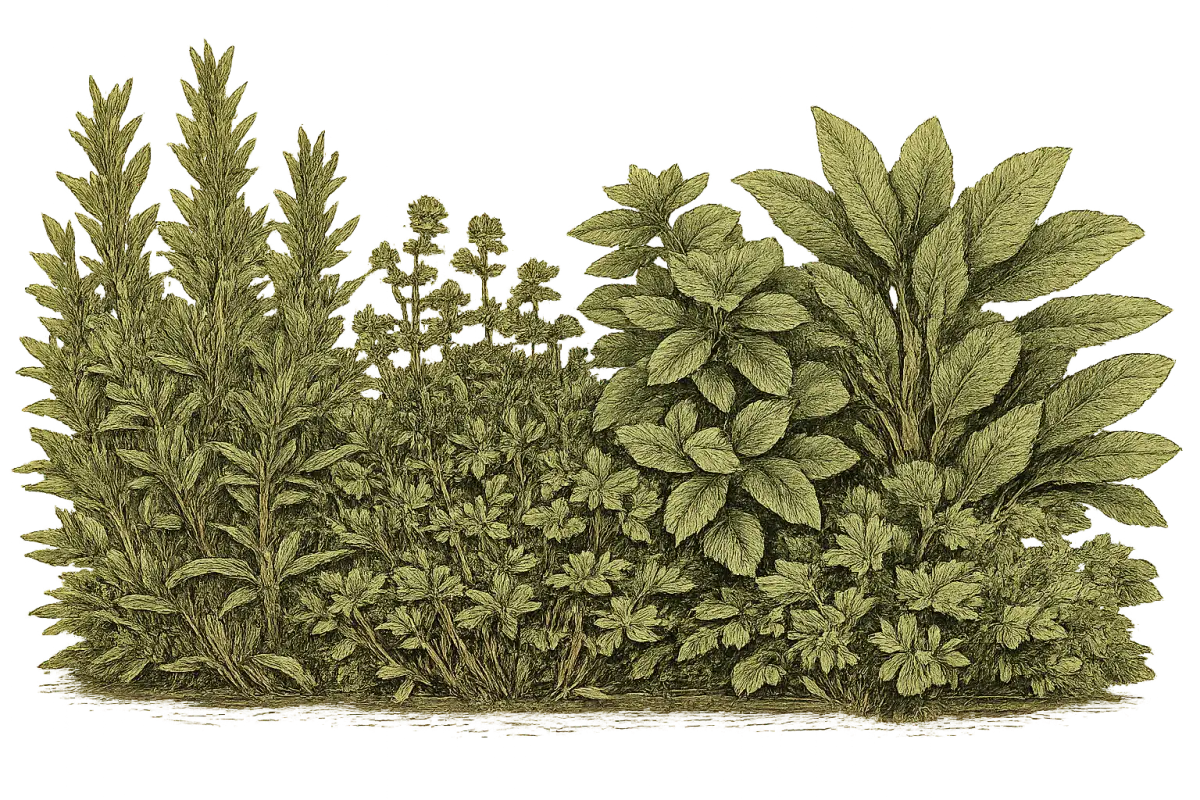
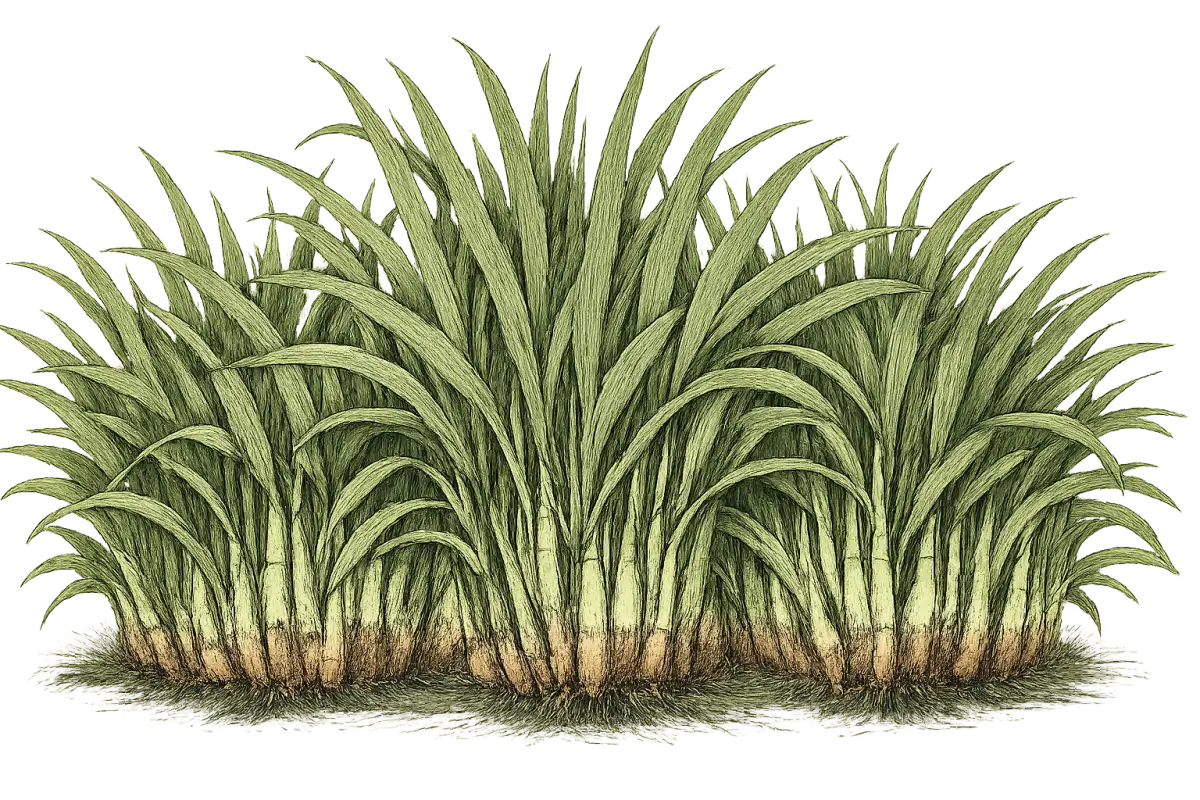
Mediterranean herbs are in their element in Zone 8. Rosemary, thyme, oregano, sage, and lavender all thrive and become substantial perennial shrubs. Bay laurel grows as a small tree. Lemongrass, lemon verbena, and Mexican mint marigold become perennial. Annual herbs (basil, cilantro, dill, parsley) work but need timing adjustments — cilantro and parsley grow best in the cool season, while basil thrives in summer heat.
Worth trying (rating 3 — possible but challenging):
Best Flowers for Zone 8
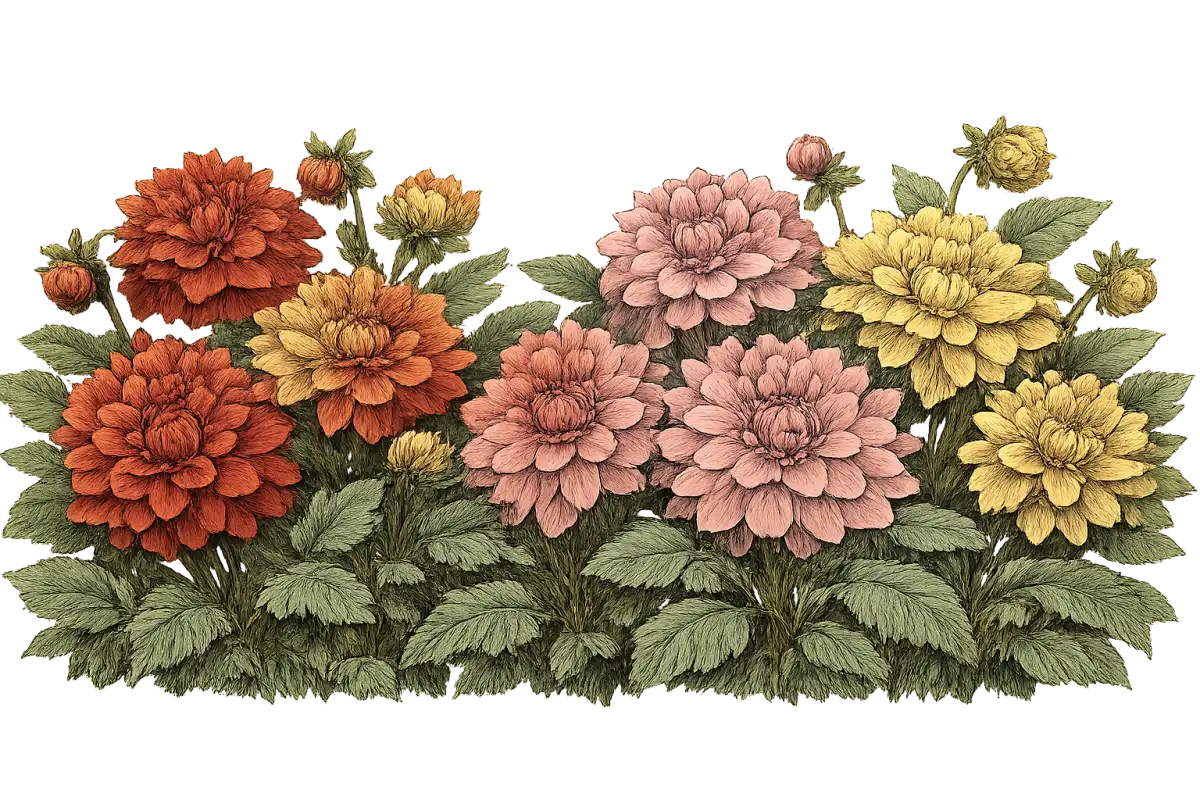
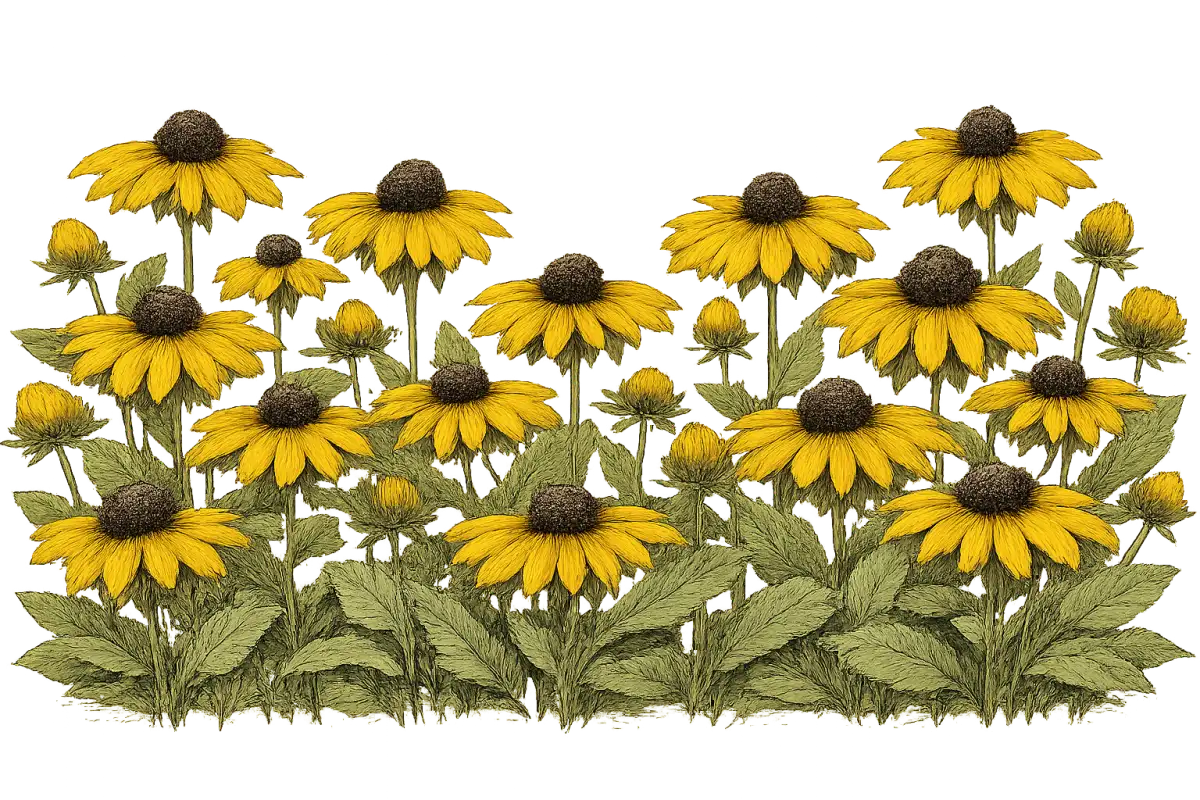
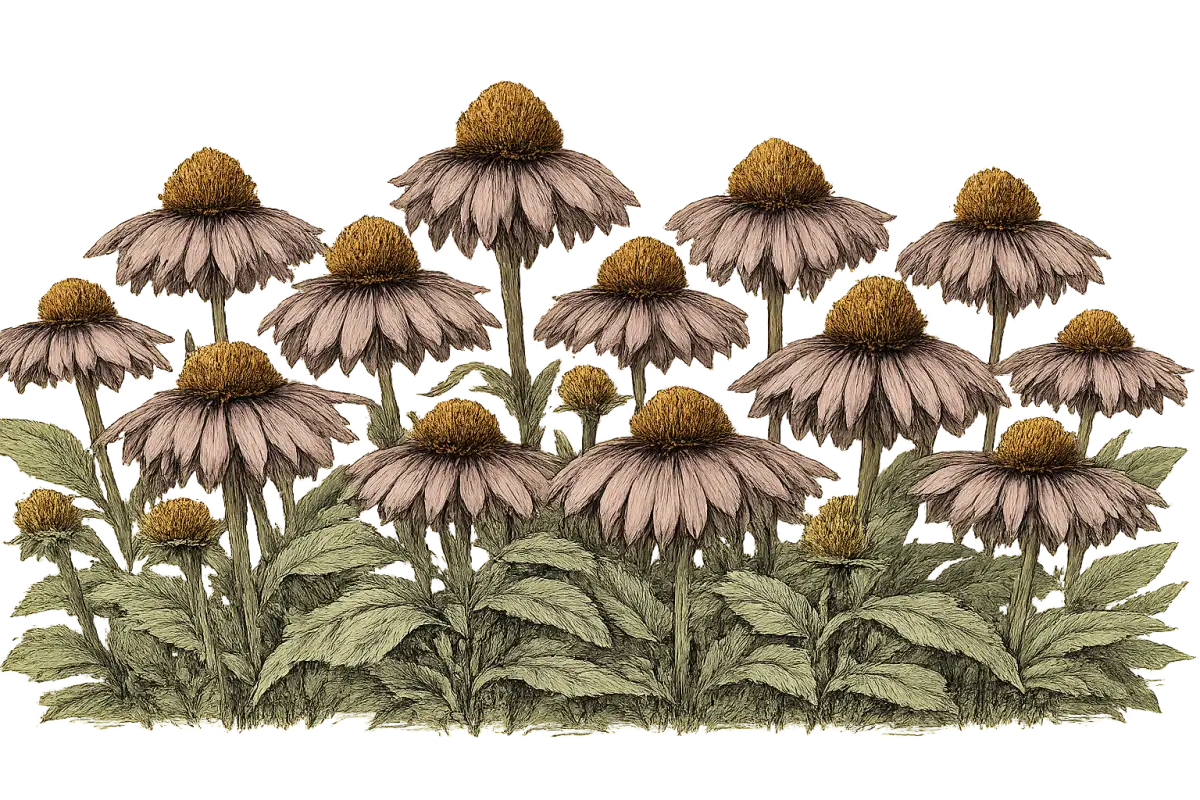
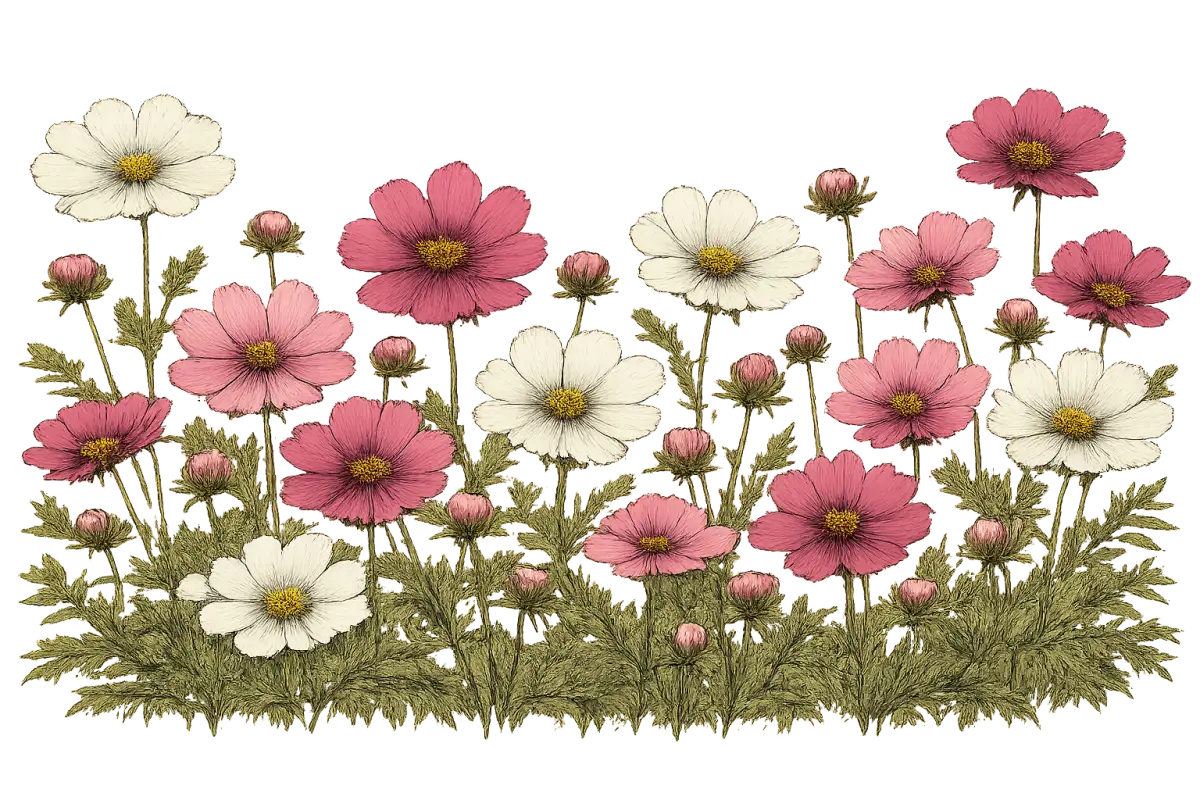
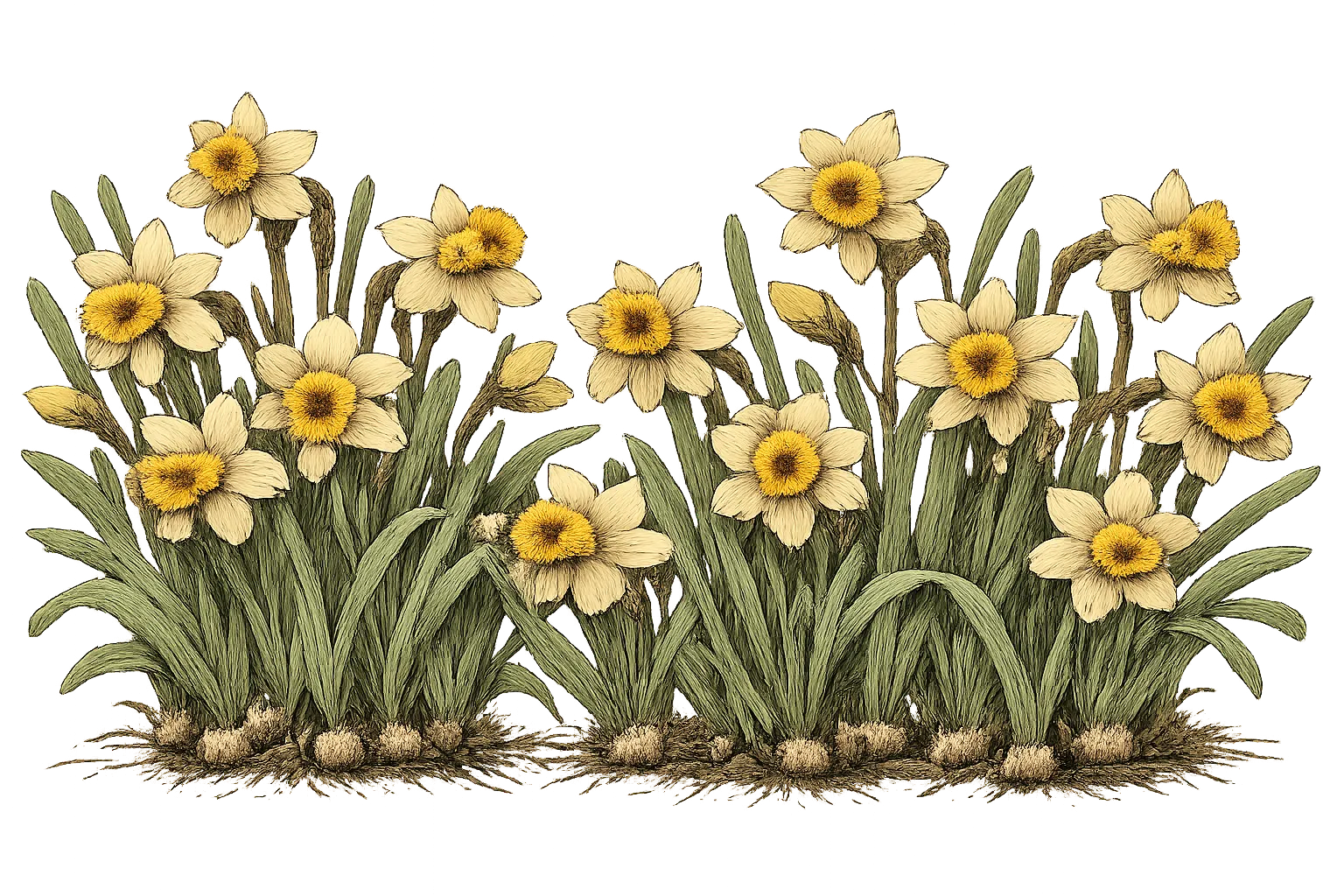
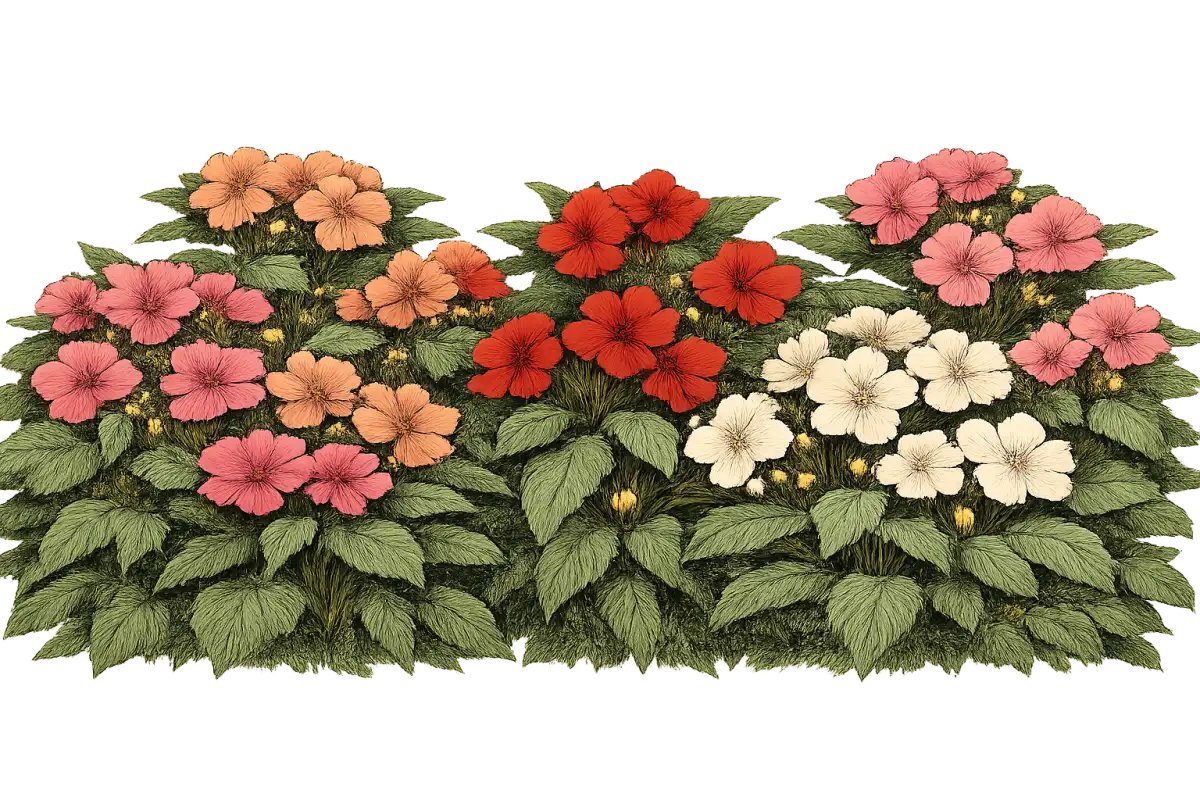
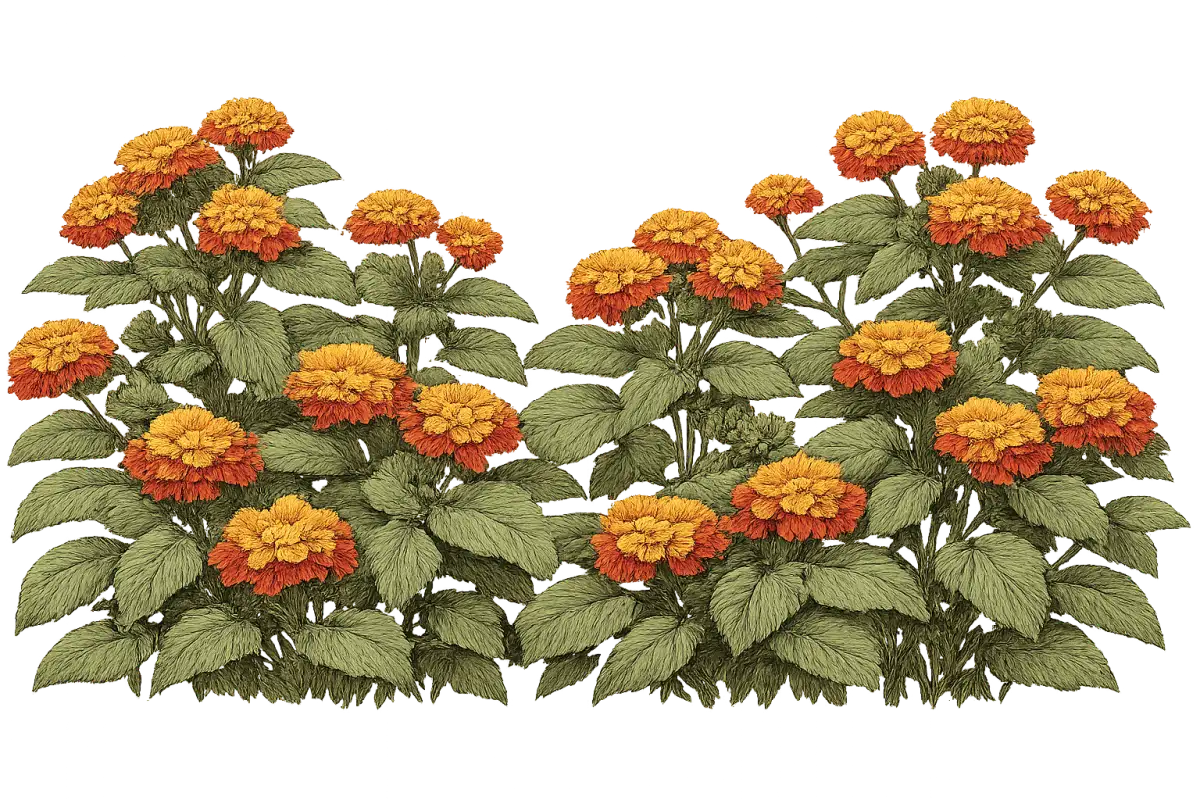
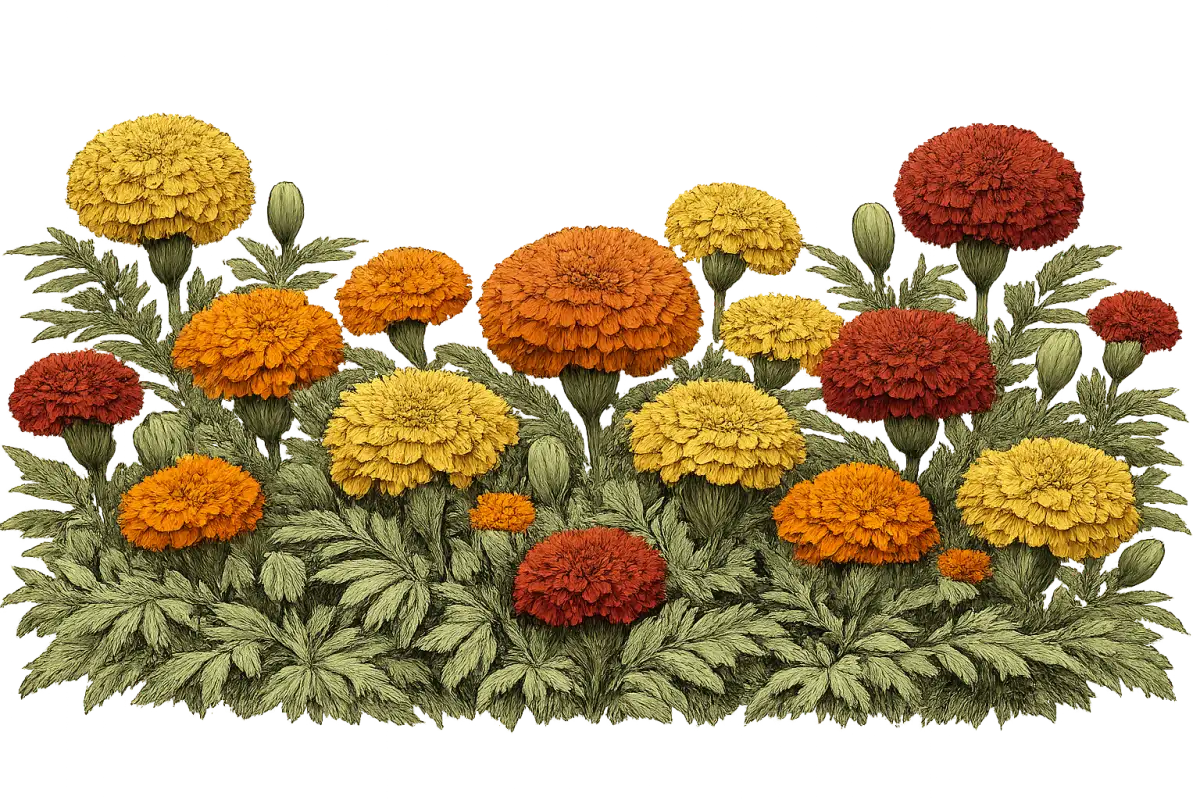
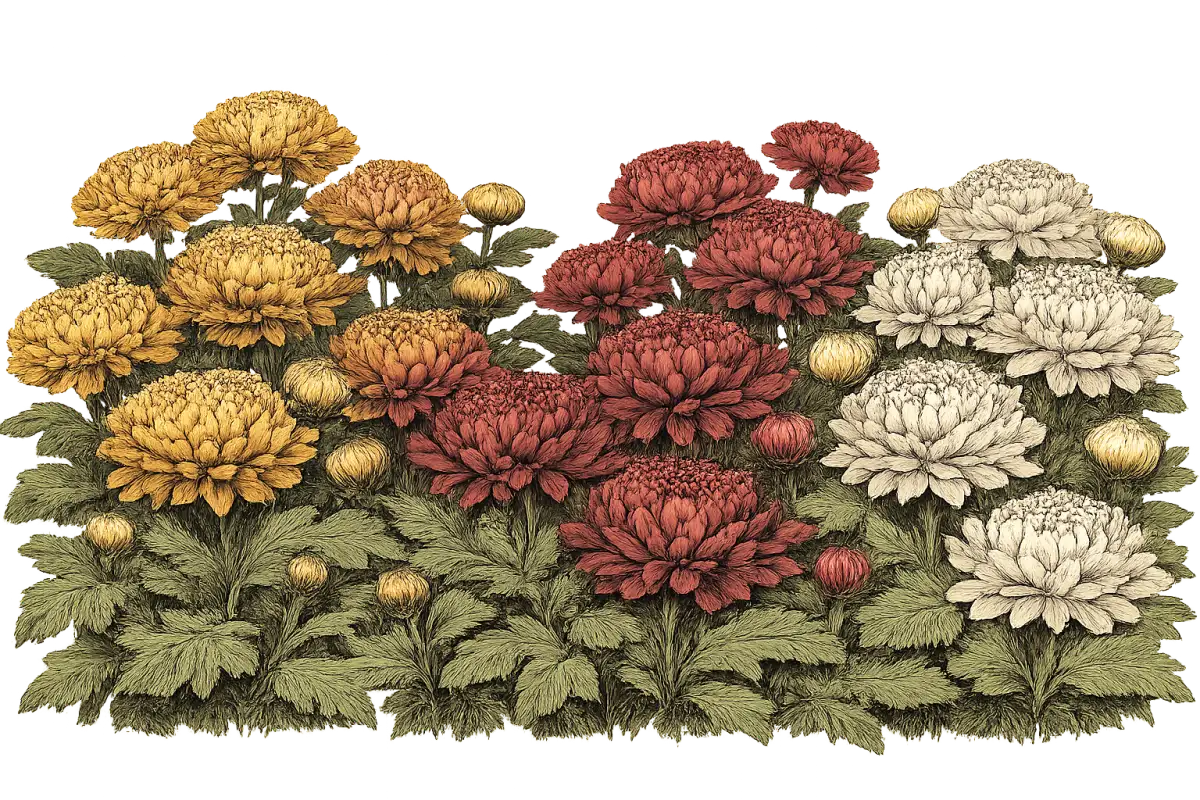
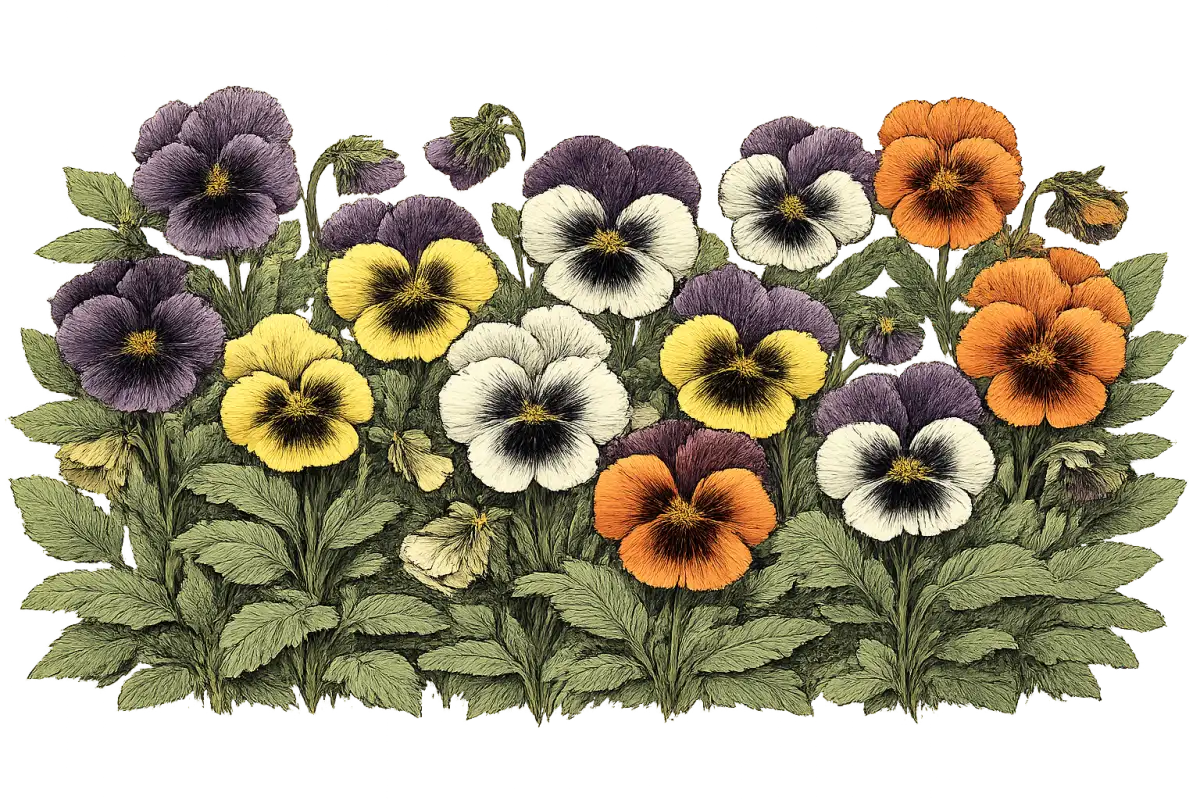
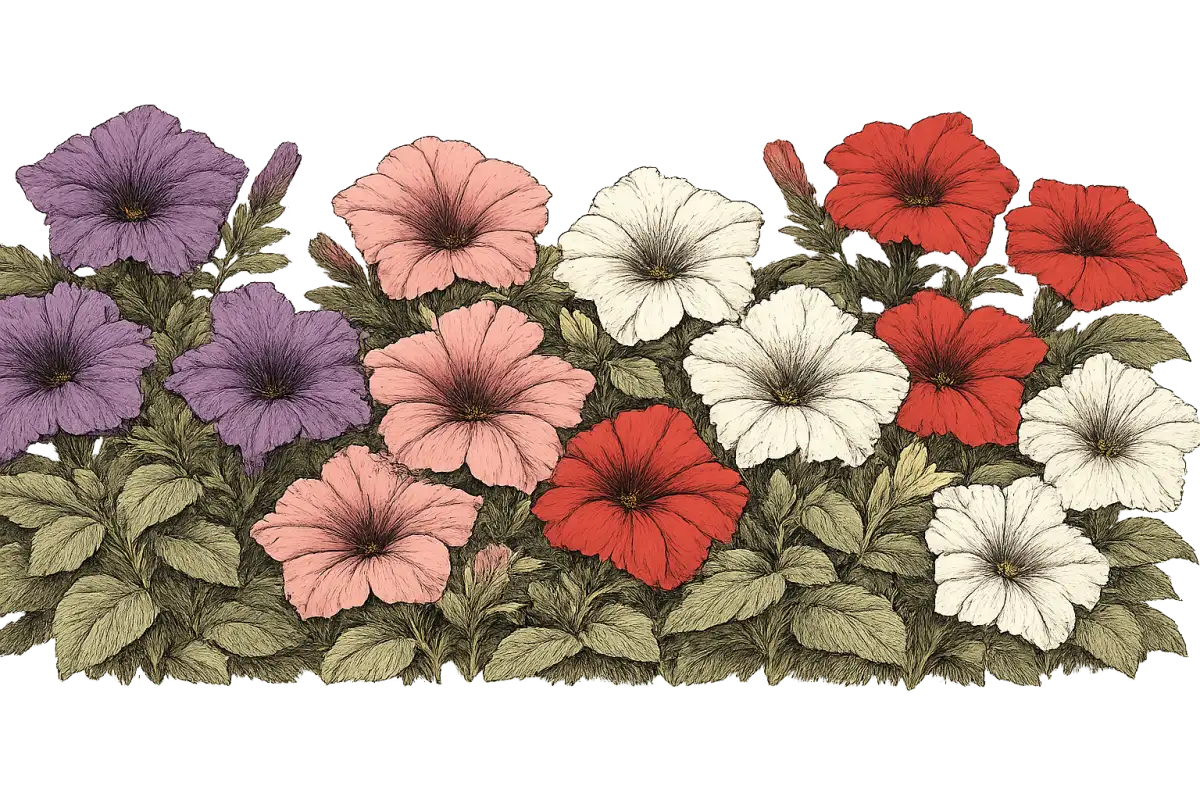
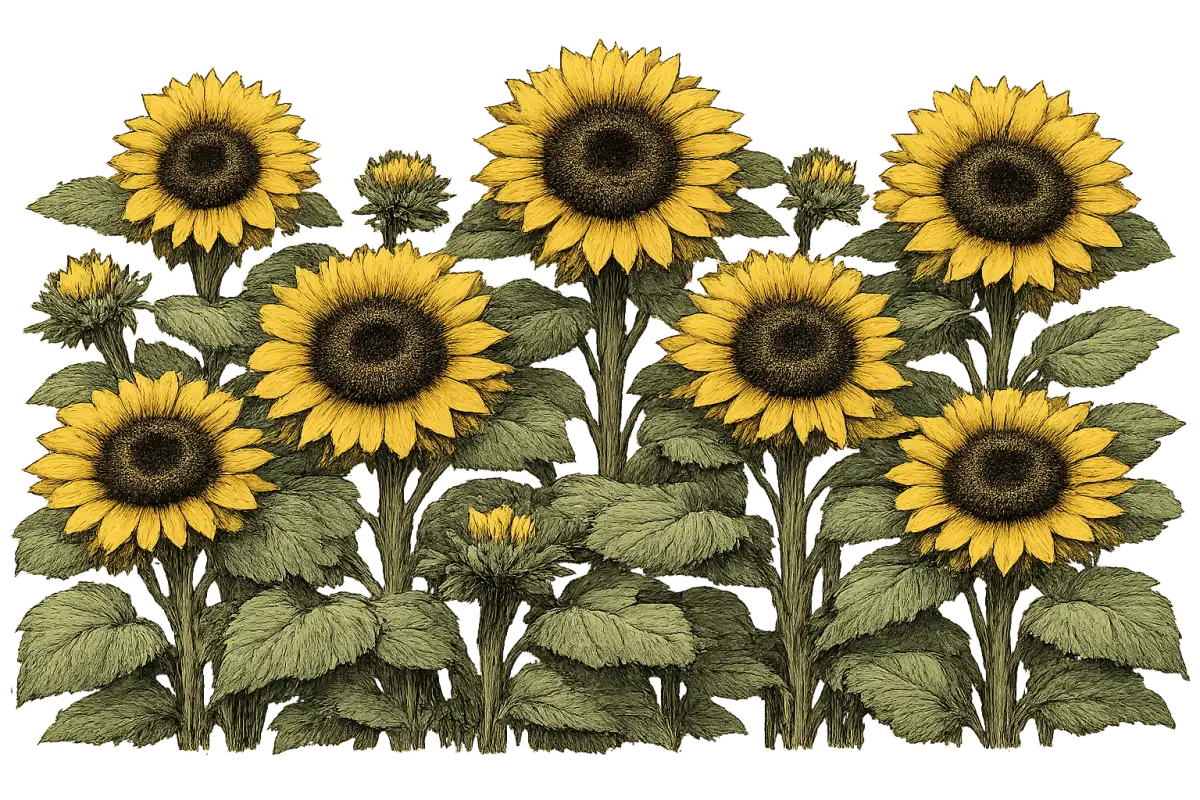
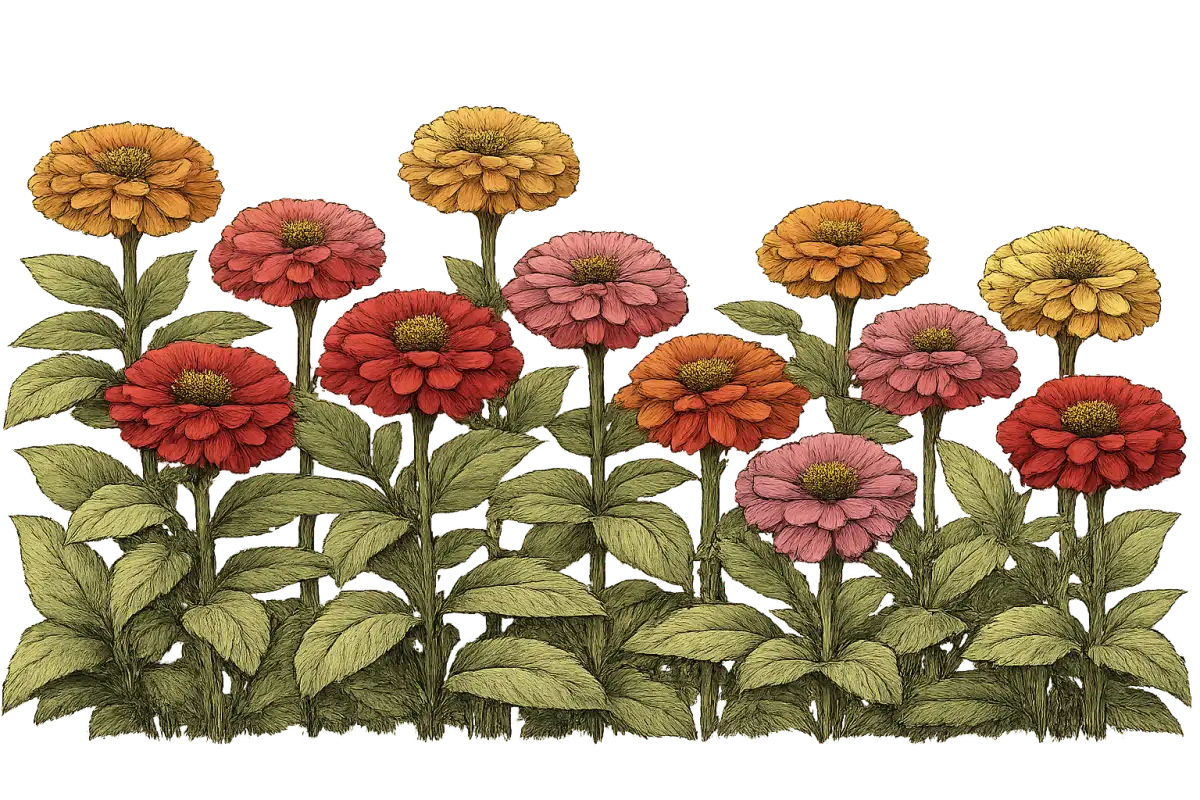
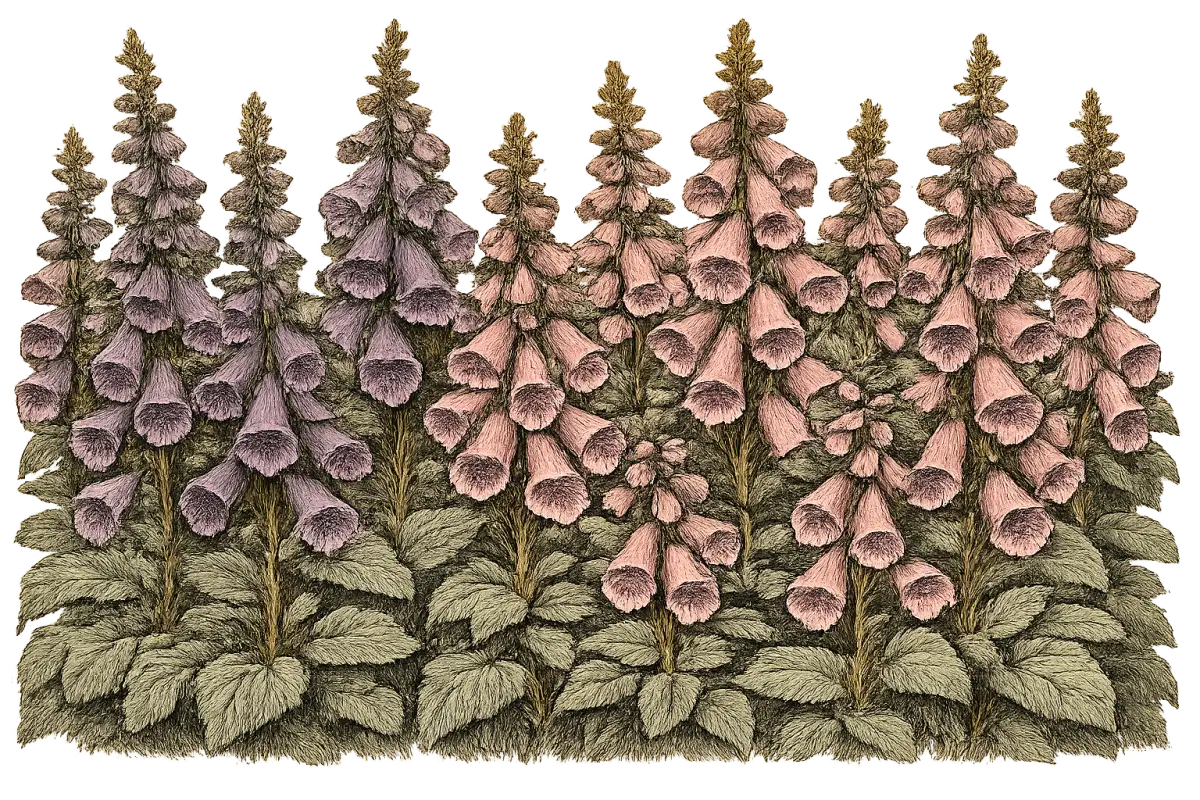
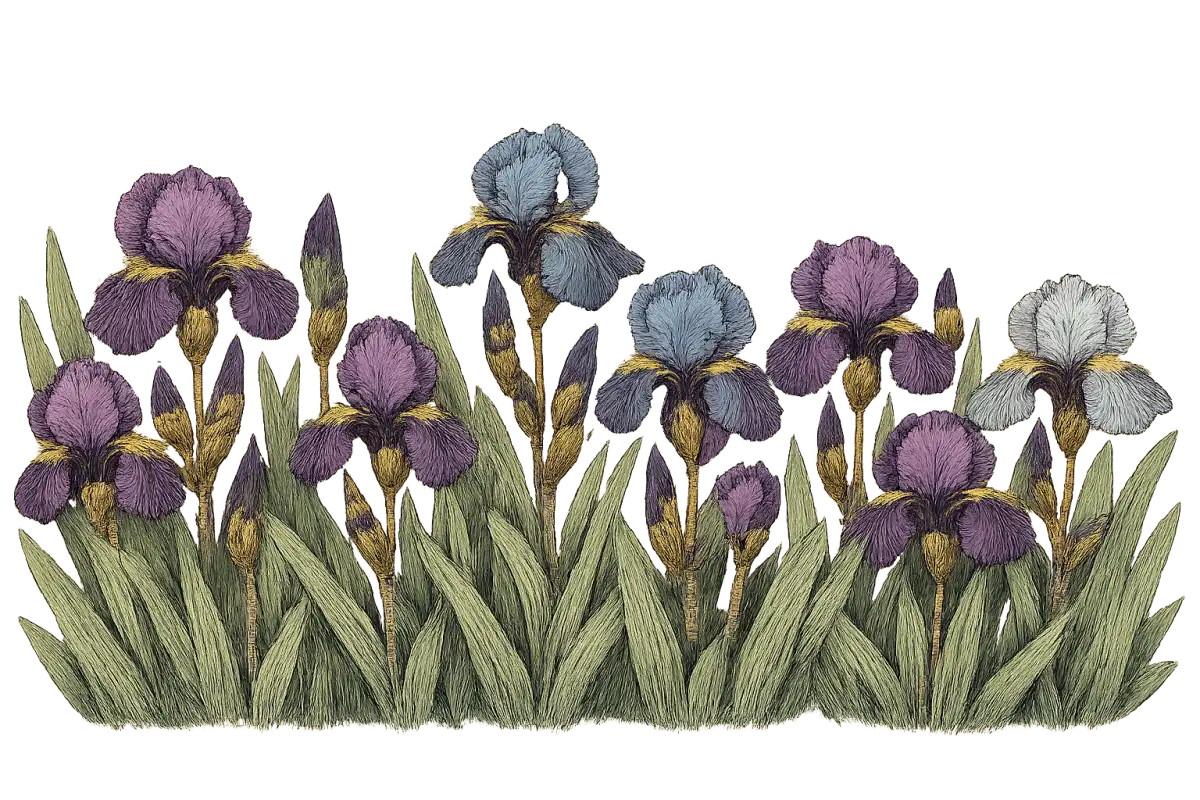
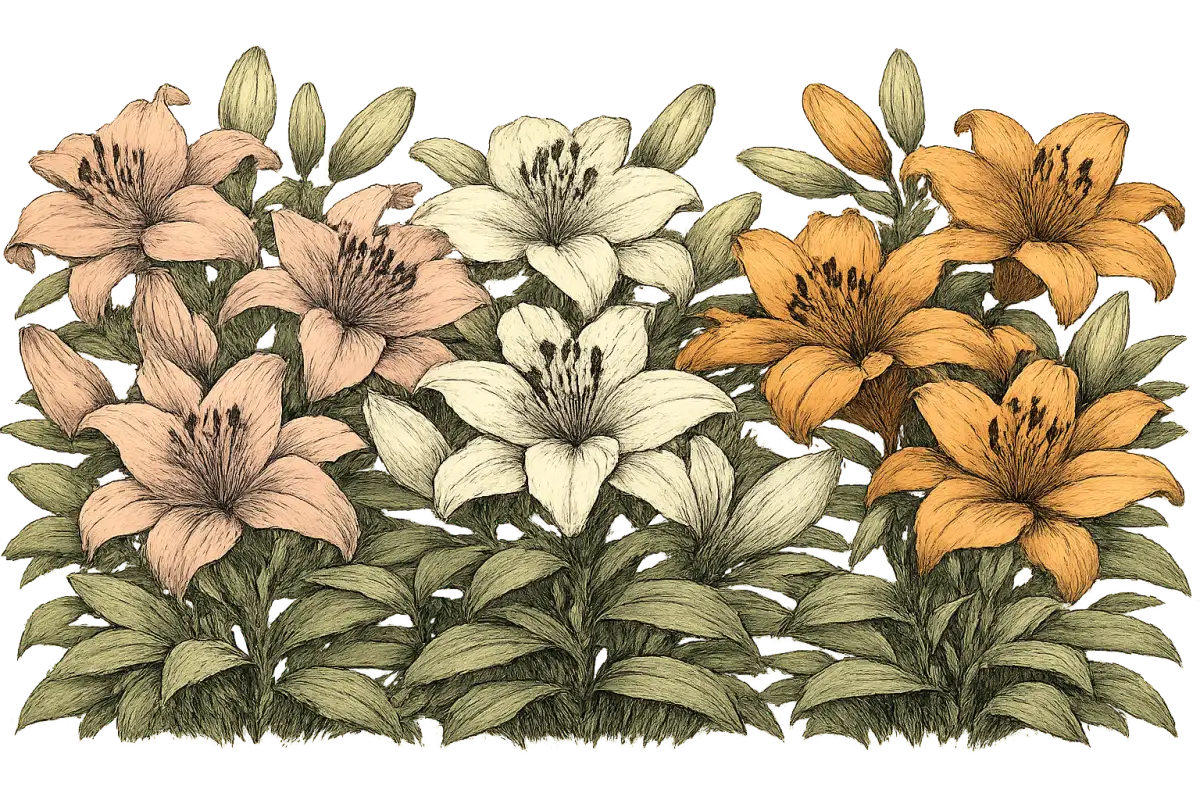
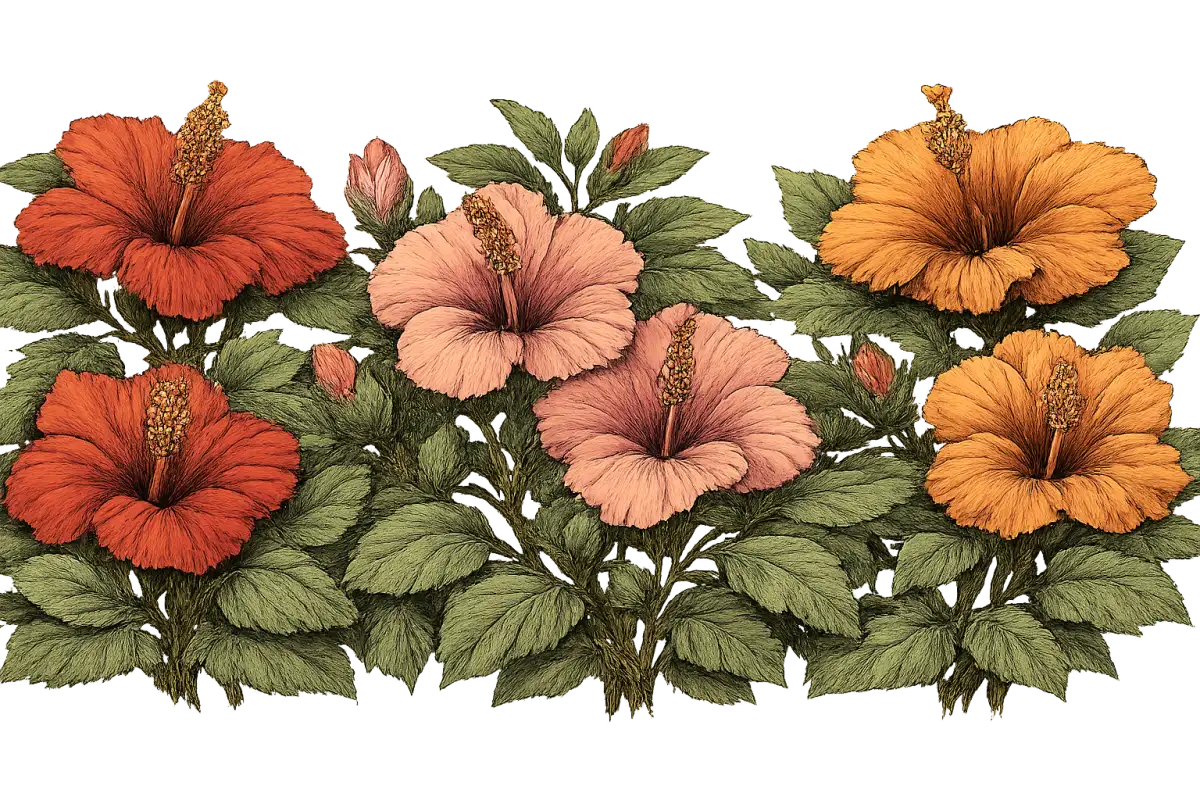
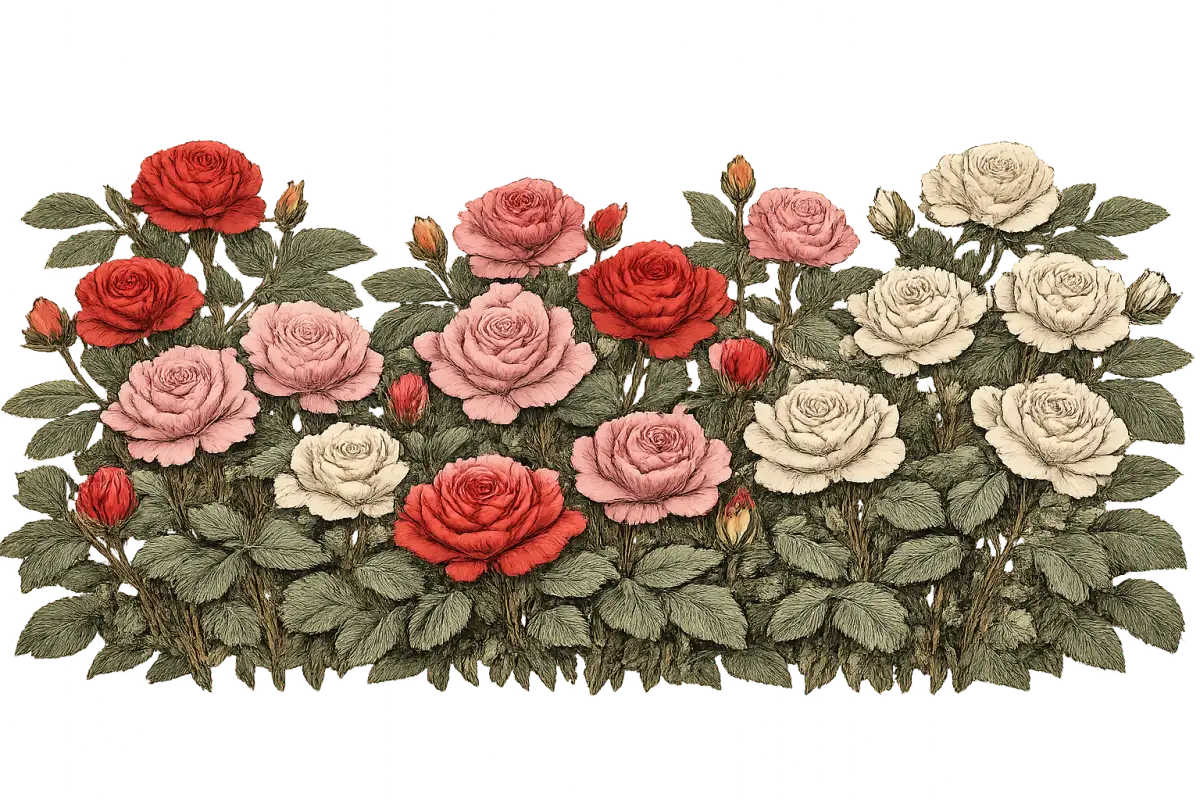
Zone 8 has an enormous flower palette but with a southern accent. Crepe myrtles bloom for months. Hardy hibiscus thrives. Gardenias, camellias, and azaleas are landscape staples. Spring bulbs work but need pre-chilling (tulips especially — many Zone 8 gardeners plant them as annuals). Summer-blooming tropical flowers like cannas, dahlias, and hardy hibiscus put on spectacular shows. Roses thrive but need heat-tolerant varieties.
Worth trying (rating 3 — possible but challenging):
Best Shrubs for Zone 8
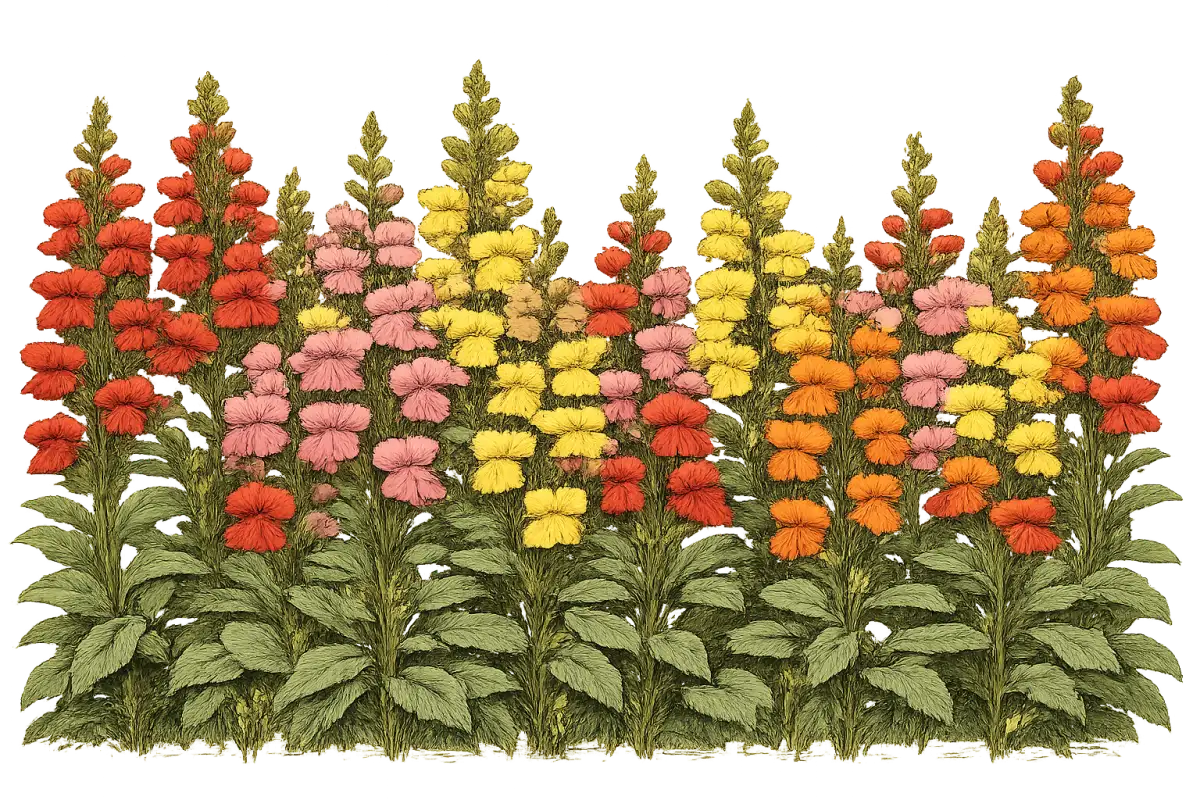
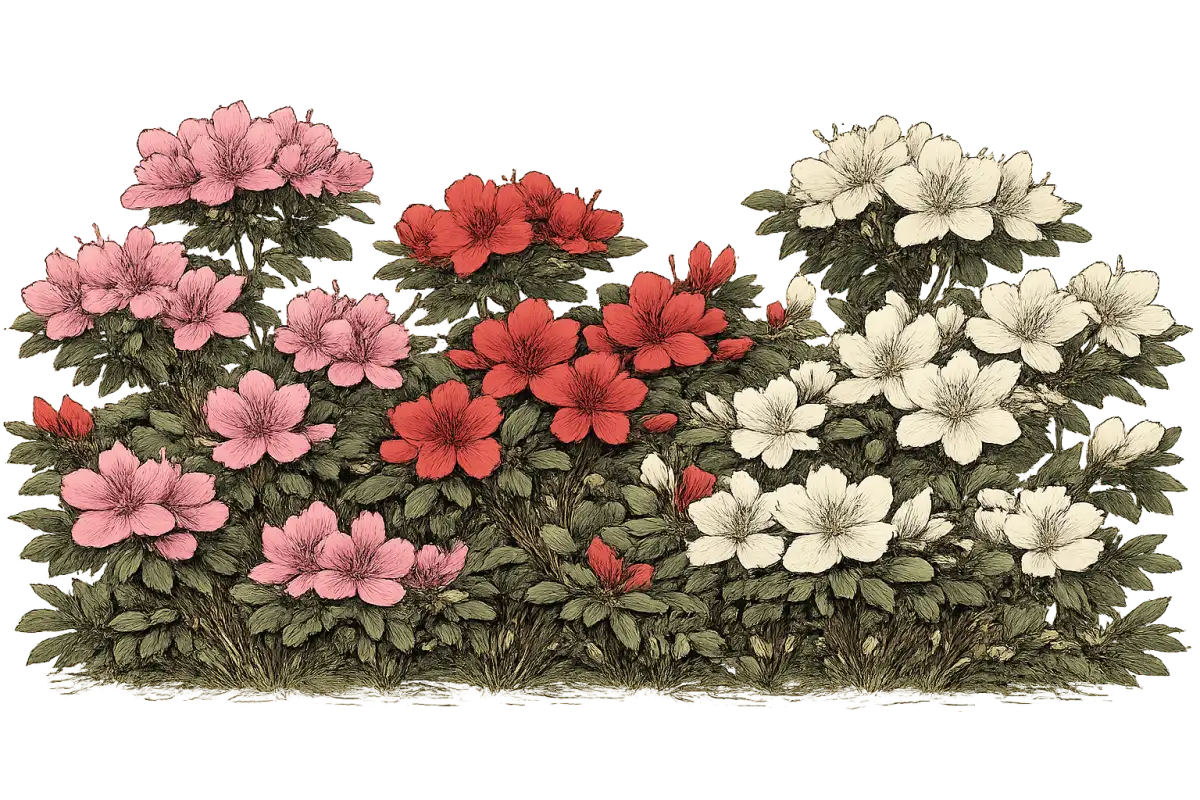
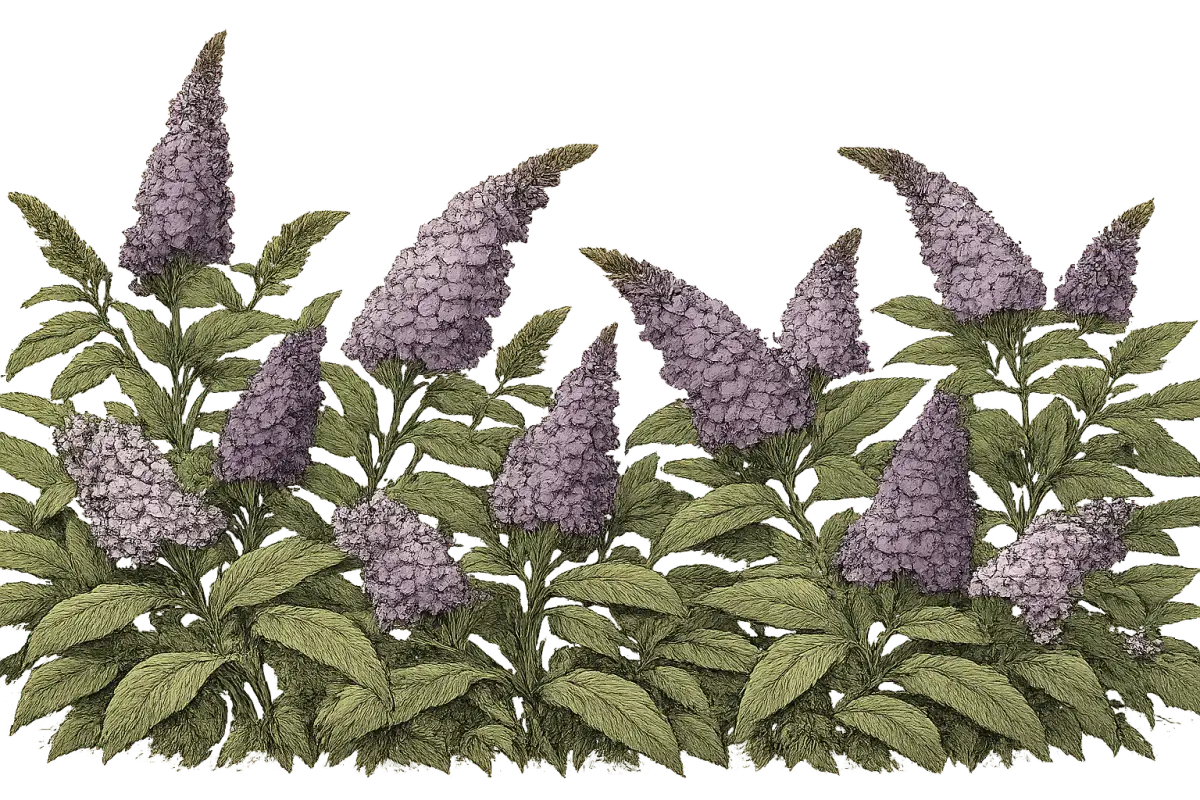
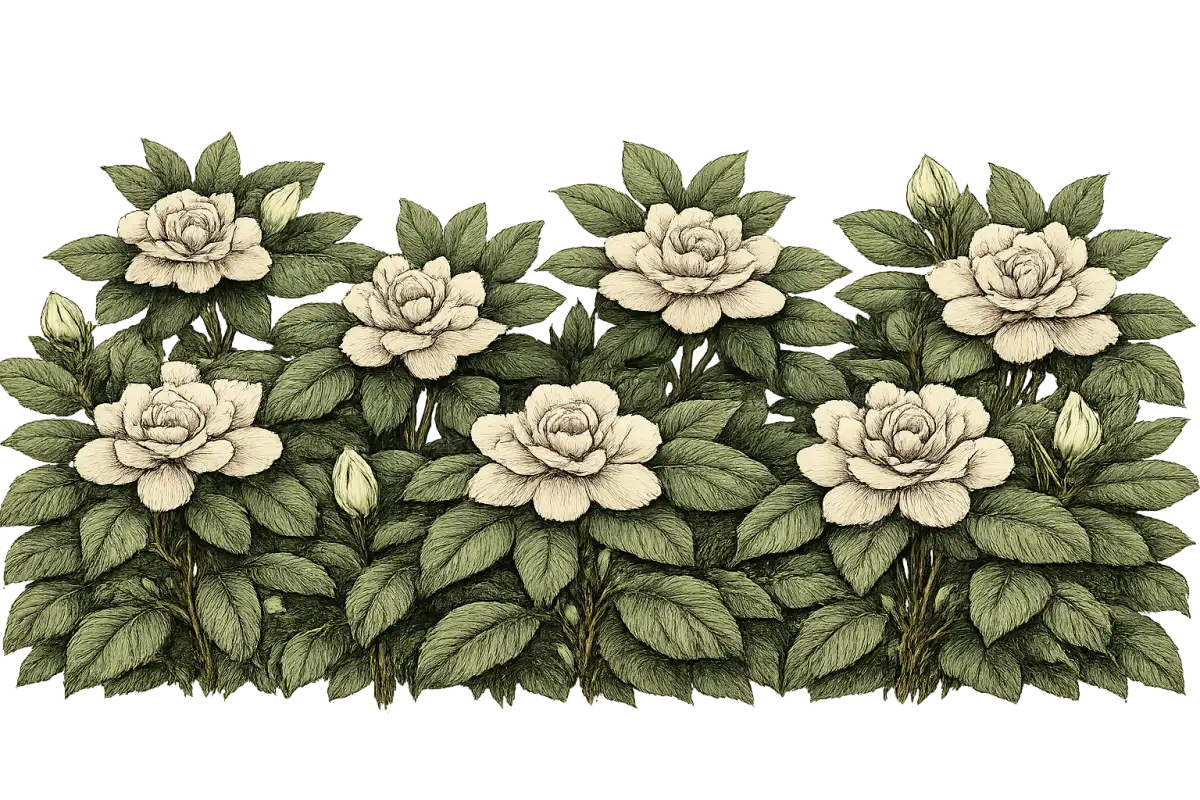
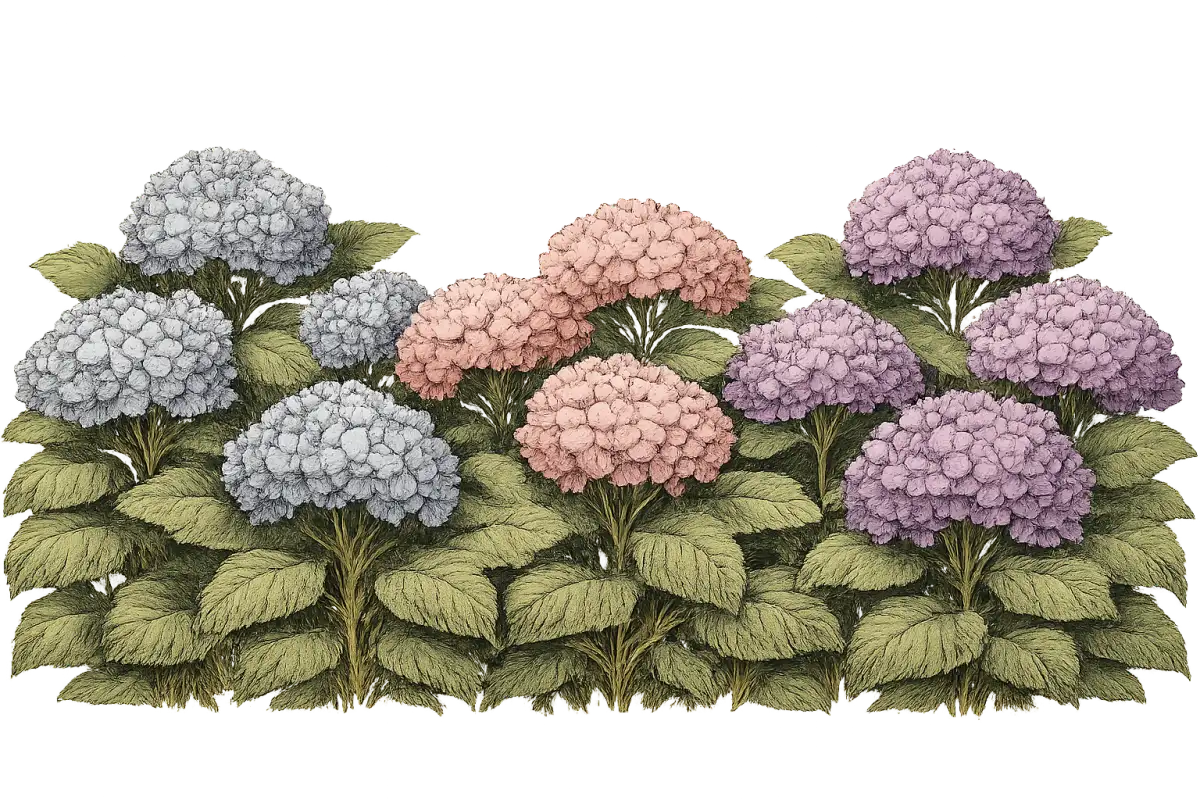
Zone 8 is landscape shrub heaven. Azaleas and camellias are iconic southern plants that thrive here. Gardenias perfume the summer air. Crepe myrtles become small trees. Oleander works in hot, dry sites. Hardy hibiscus, butterfly bush, and many salvias form the backbone of heat-tolerant plantings. Hydrangeas work but need afternoon shade. Hollies of all types (including native yaupon) thrive.
Worth trying (rating 3 — possible but challenging):
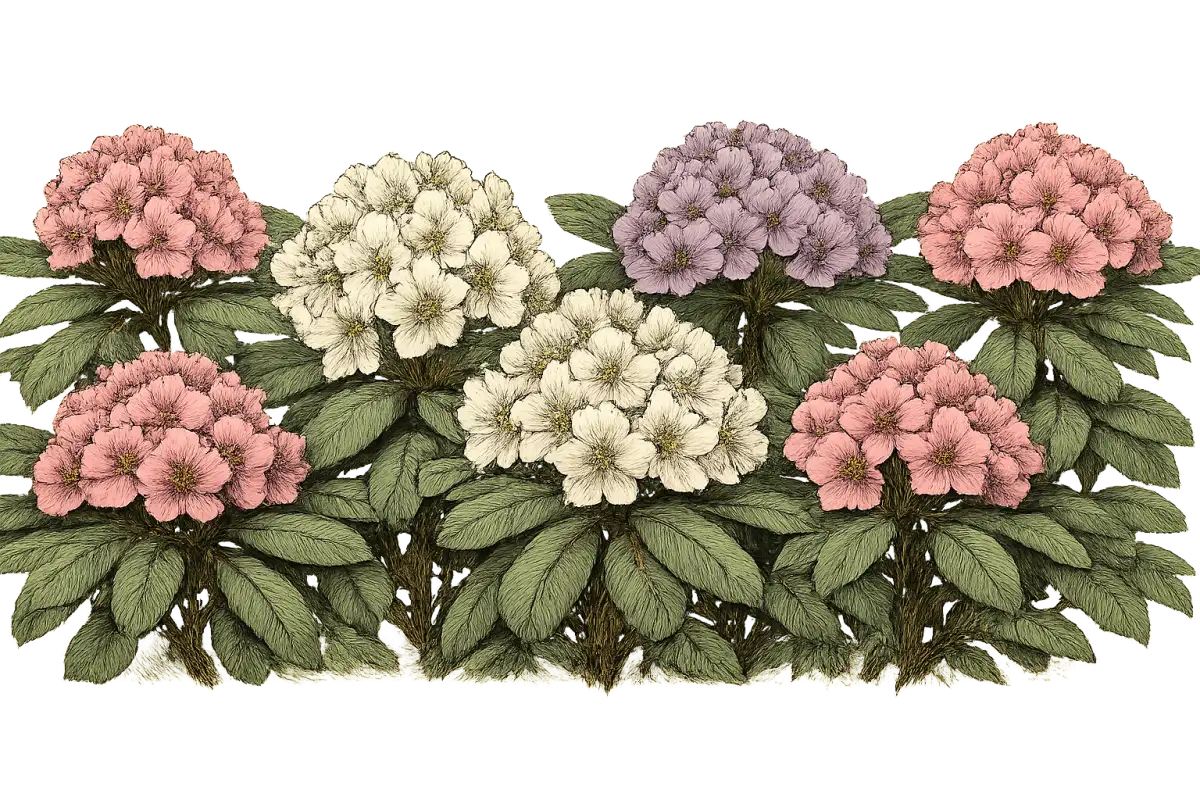
Best Perennials for Zone 8
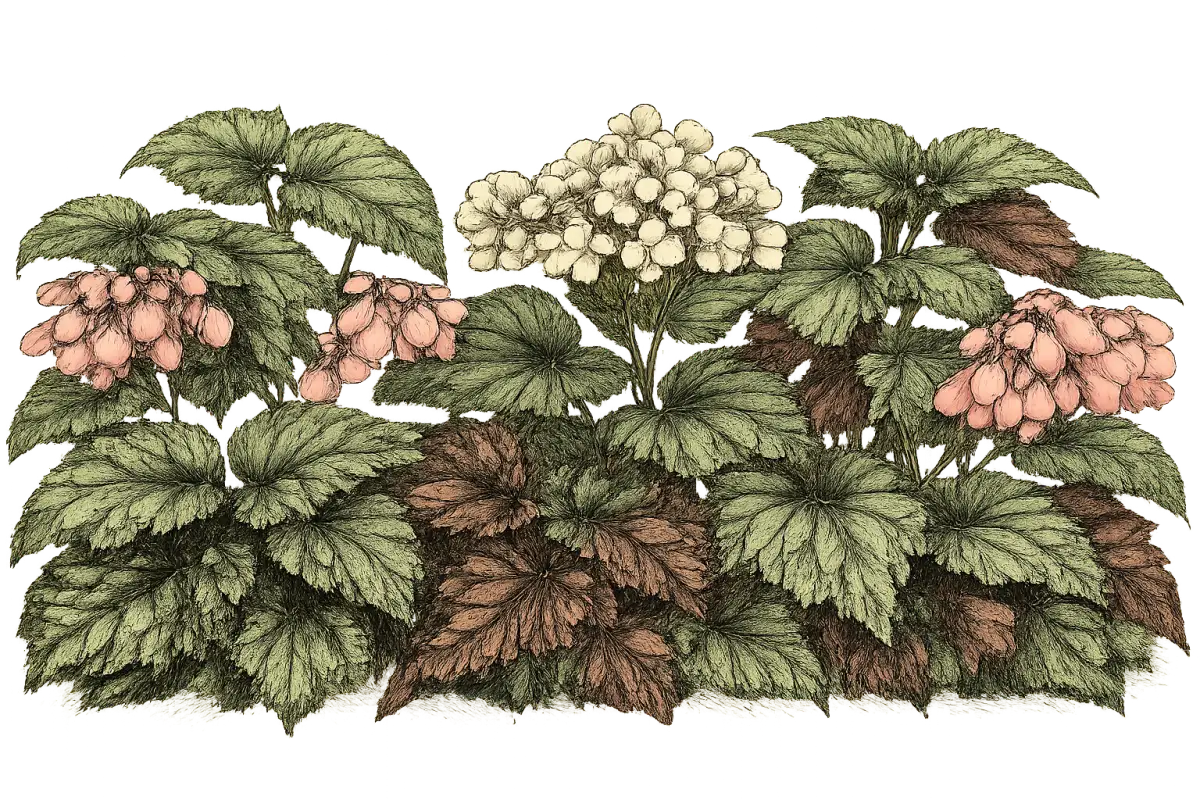
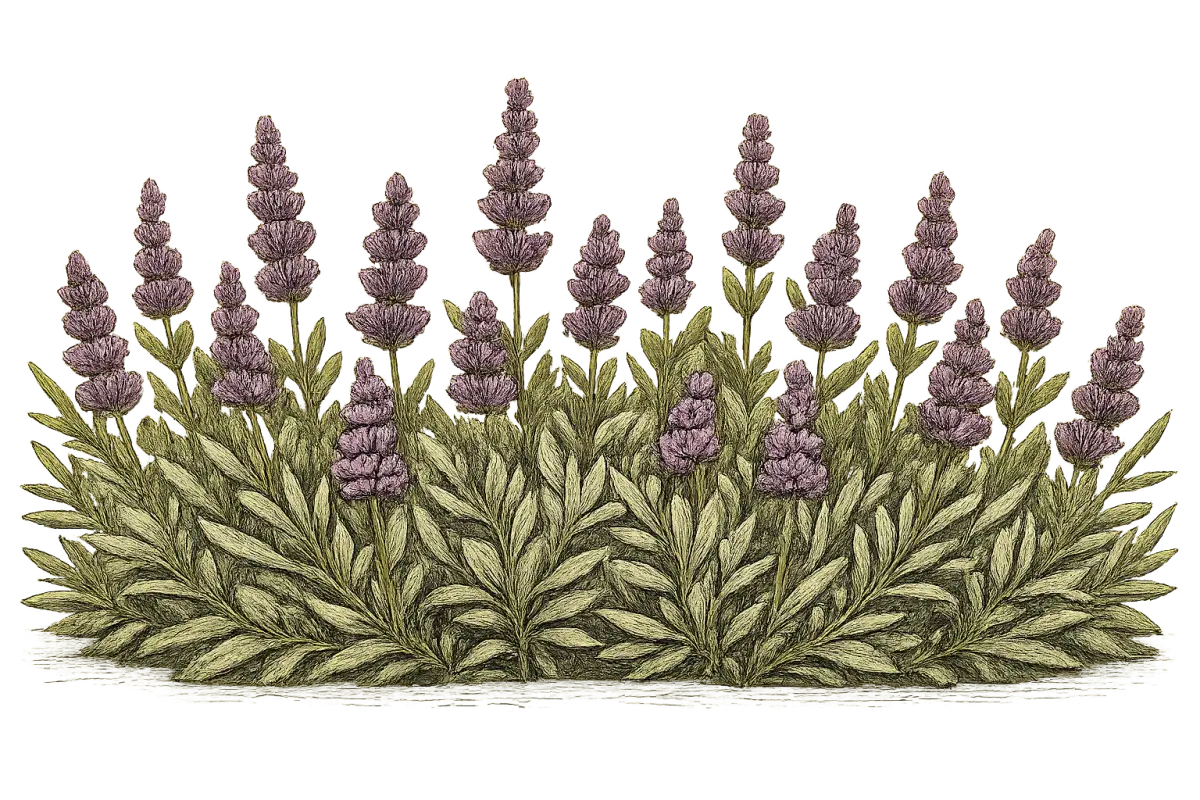
Zone 8 supports an enormous range of perennials. Salvias of all kinds thrive. Lantana, verbena, and heat-loving natives do well. Lavender and Russian sage work in well-drained sites. Many tropical-looking perennials become realistic: cannas, elephant ears, certain gingers, and hardy begonias. Traditional cool-climate perennials like peonies struggle here unless you choose low-chill varieties — they don't get the winter cold they need to bloom properly.
Worth trying (rating 3 — possible but challenging):
Best Vines for Zone 8
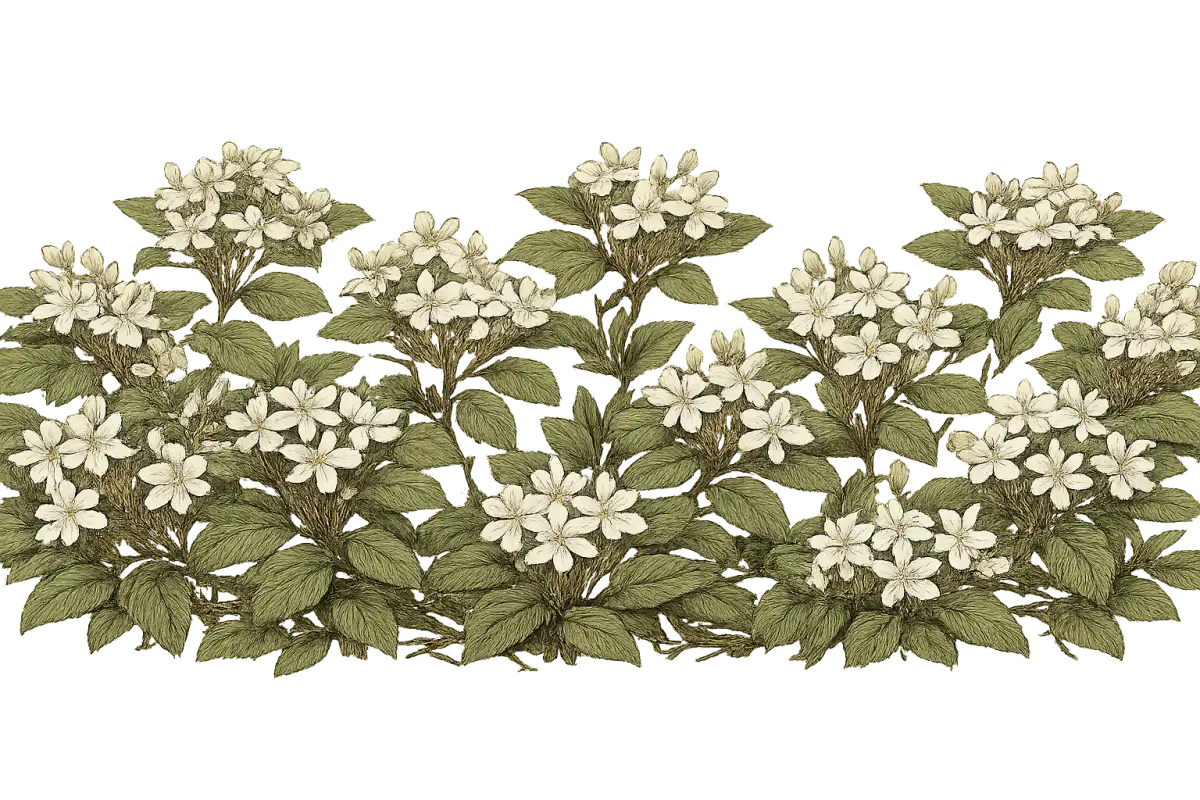
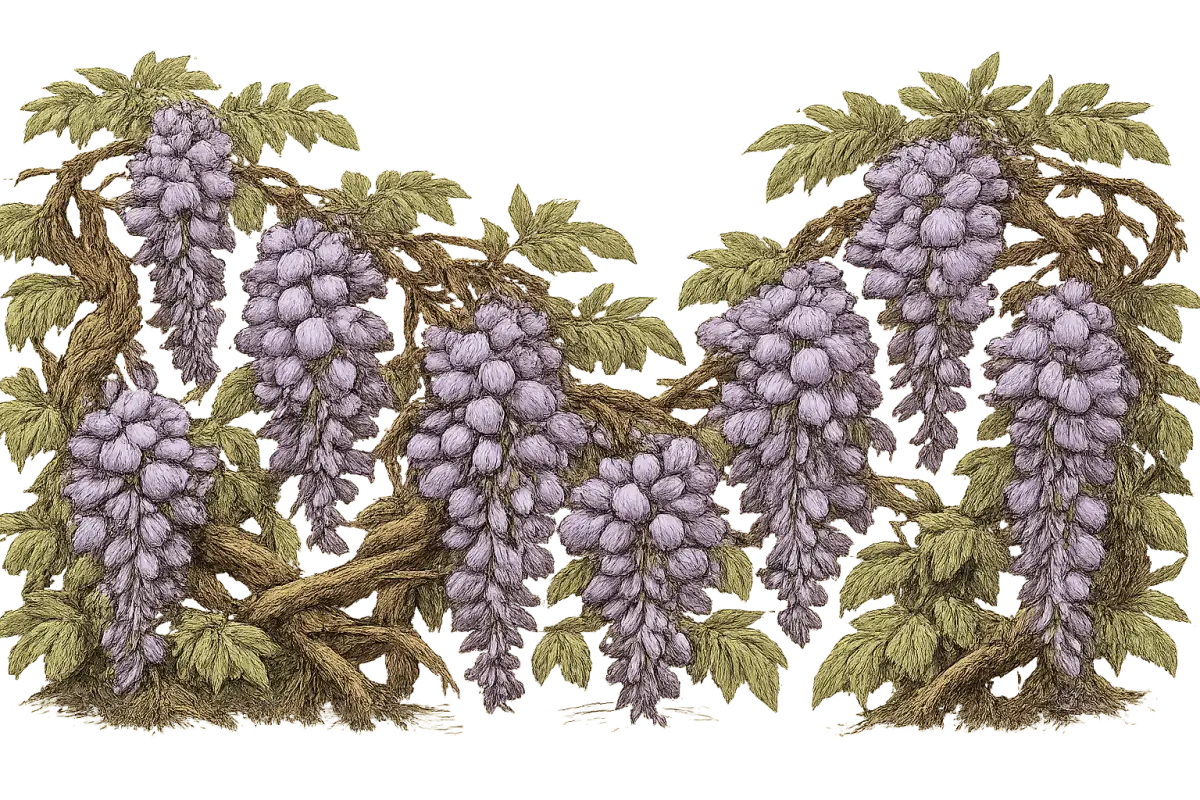
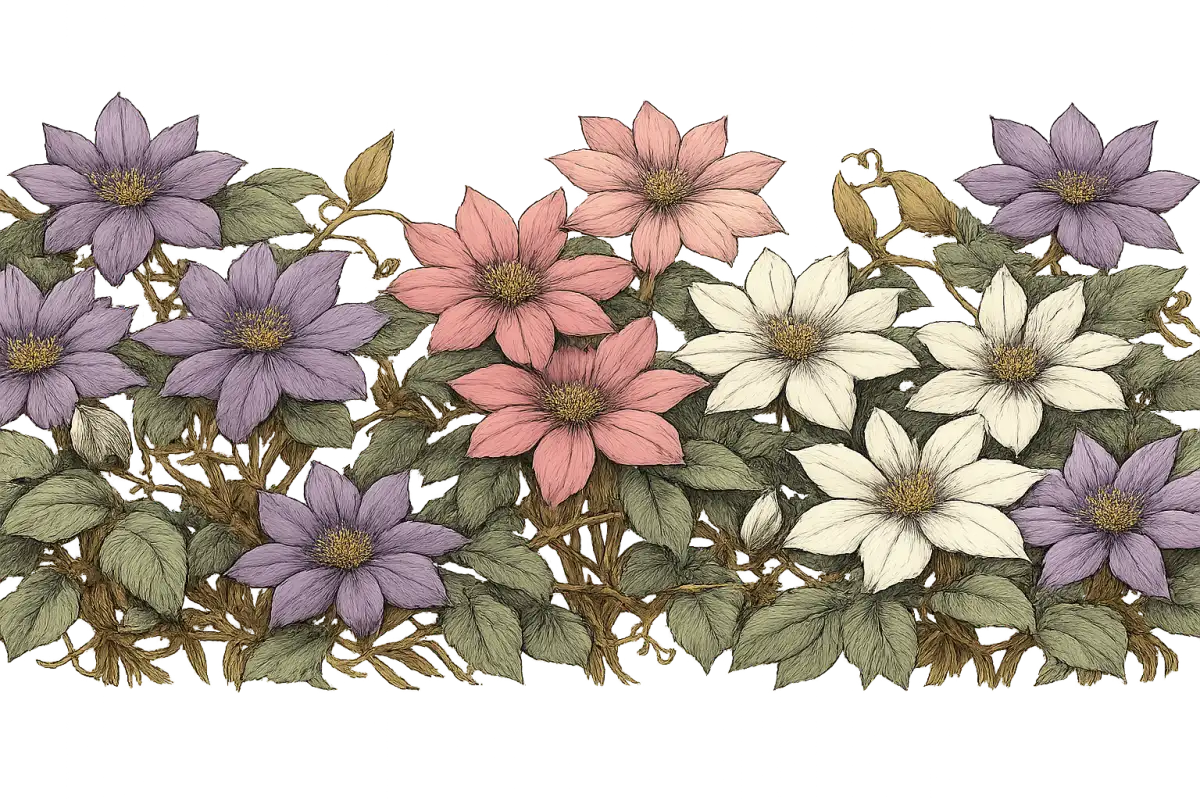
Zone 8 vines can get aggressive. Wisteria grows vigorously — sometimes too vigorously. Trumpet vine thrives. Jasmines of various types work (Confederate jasmine / star jasmine is a classic). Passion vines are reliable. Muscadine grapes produce heavily. Cross vine and Carolina jessamine are lovely natives. Climbing roses work well in Zone 8's long growing season.

Worth trying (rating 3 — possible but challenging):
Best Trees for Zone 8
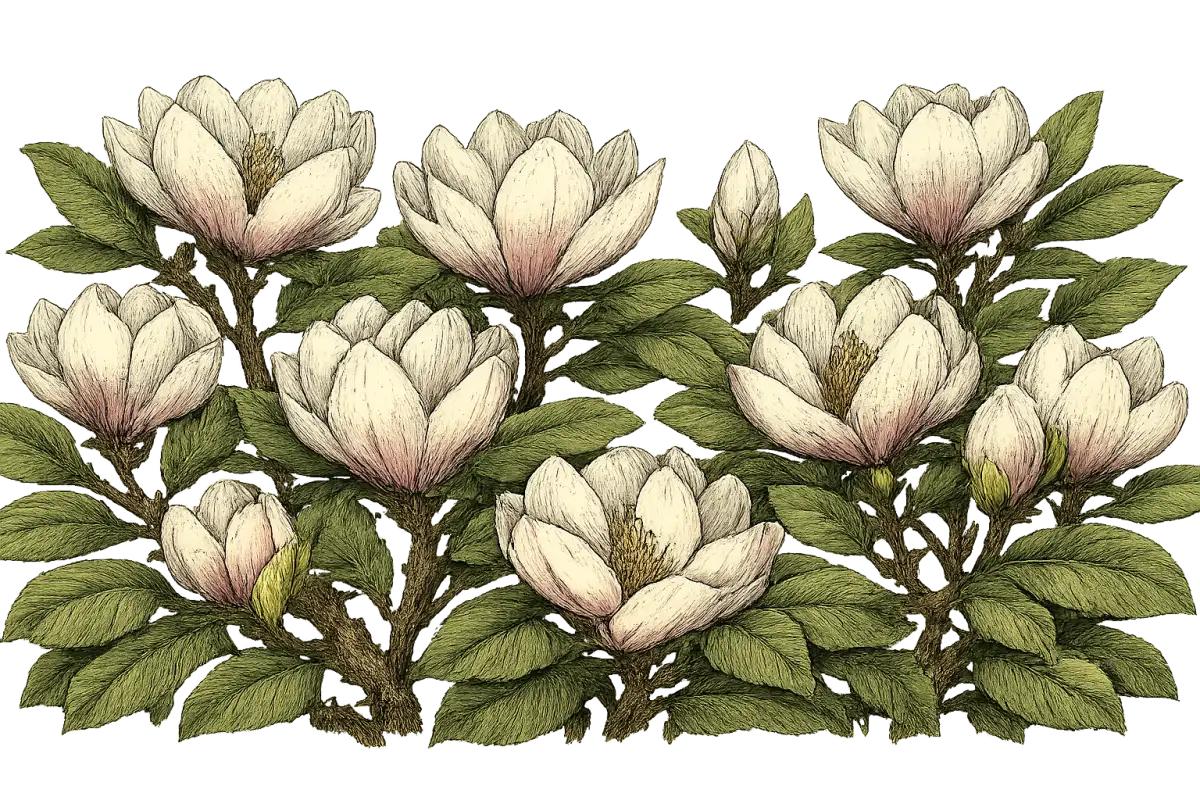
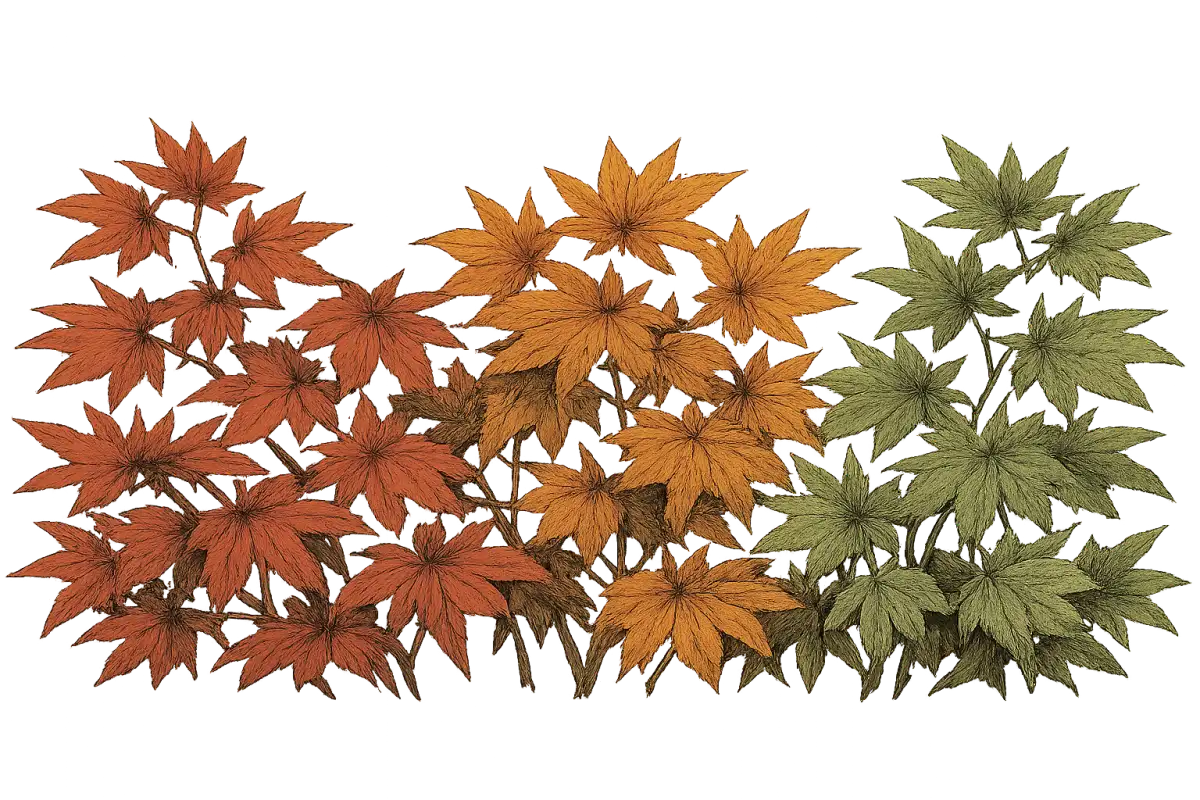
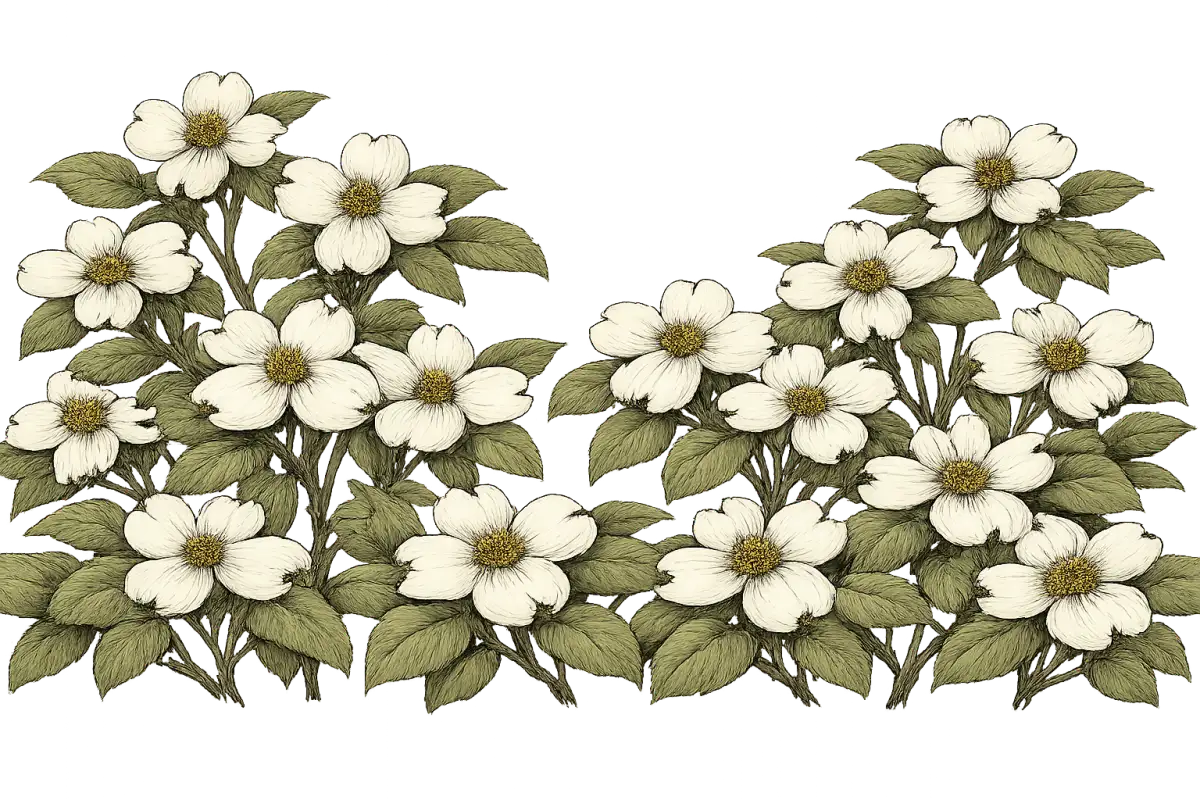
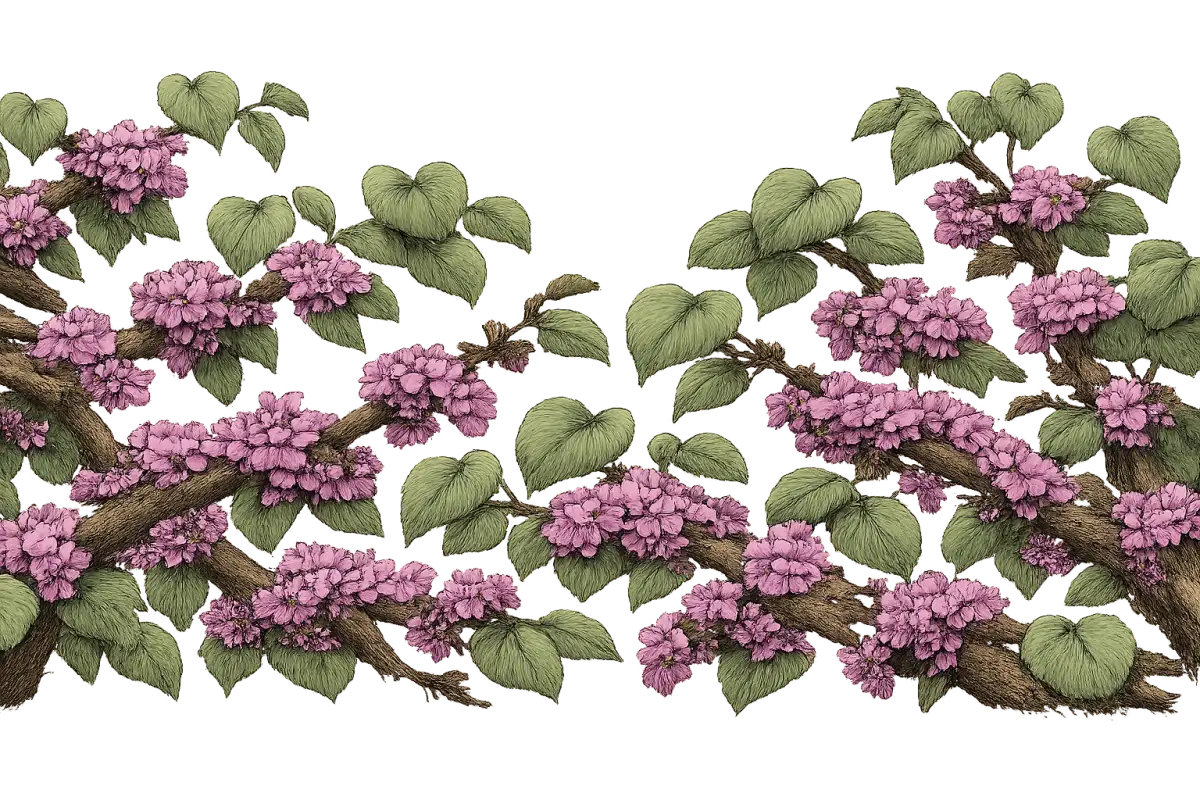
Zone 8 opens up the full southern tree palette. Southern magnolias are spectacular. Live oaks become possible. Crepe myrtle trees bloom all summer. Japanese maples work in shade with adequate water. Dogwoods and redbuds bloom in spring. Fruit trees like figs and pomegranates thrive. Windmill palms and certain other cold-hardy palms work in sheltered sites. Pecans thrive in the eastern parts of Zone 8.
Worth trying (rating 3 — possible but challenging):
Season Tips for Zone 8
Flip your planting calendar. In Zone 8, the main gardening seasons are fall through early summer, not summer itself. Your peak vegetable production happens from October through June in many parts of Zone 8, with summer becoming the rest period for heat-sensitive plants.
Use mulch aggressively. Zone 8 soils heat up dramatically in summer, stressing roots. Heavy mulching (3-4 inches) moderates soil temperature and conserves water during the hot months. This is more important than winter mulching here.
Microclimates in Zone 8
Zone 8 microclimates matter most for creating cool refuges from heat and protecting marginally hardy tropical plants from occasional cold snaps. Shade from the western sun is gold — an east-facing bed with morning sun and afternoon shade is often the ideal sun exposure for heat-sensitive plants. South and west-facing walls get intensely hot in summer and should be reserved for truly heat-loving plants. For cold-tender plants, areas with good drainage and protection from winter wind increase survival during occasional cold snaps.
Common Mistakes Zone 8 Gardeners Make
1. Treating Zone 8 like a cooler zone
Northern transplants often plant based on their old zone's calendar and wonder why everything struggles. Cool-season crops in summer, peonies in full sun, plants that need winter chill — all fail here. Learn the southern gardening calendar.
2. Ignoring heat tolerance when choosing varieties
'Hardy to Zone 8' doesn't mean 'thrives in Zone 8'. Many plants that technically survive the winter here can't handle the summer heat. Choose varieties specifically bred for hot climates, not just cold-hardiness ratings.
3. Planting in full afternoon sun
Afternoon sun in Zone 8 summers is brutal. Most non-native plants benefit from afternoon shade. 'Full sun' in zone 8 effectively means 'morning sun' for many plants that would want full sun in cooler zones.
4. Expecting traditional apples and peonies to work
Many cold-requiring plants fail in Zone 8 because they don't get enough winter chill hours to set flower buds properly. Look for 'low-chill' varieties or choose different plants entirely.
Zone 8 FAQ
Can I grow citrus in Zone 8?
Yes, but with care. Cold-hardy varieties like satsumas, kumquats, calamondin, and yuzu can survive Zone 8 winters, especially in 8b. Plant in a protected site (south-facing wall, sheltered from winter wind). Be prepared to cover plants during hard freezes. In 8a, citrus is marginal and usually needs substantial protection or container growing.
When do I plant tomatoes in Zone 8?
Twice a year. Plant your first tomatoes 2-4 weeks before your average last frost (typically February in 8b, March in 8a) for a May-June harvest. Then plant a second round in late July or early August for an October-November harvest. Summer is actually too hot for most tomatoes — they often stop setting fruit when nights stay above 75°F.
Do peonies work in Zone 8?
Only in 8a with specific low-chill varieties like 'Festiva Maxima', 'Sarah Bernhardt', and 'Felix Crousse'. Even then, they're marginal. Traditional peonies need more winter chill than Zone 8 provides and often fail to bloom. Consider tree peonies or alternatives like peony-like double camellias.
What's the best month to start a fall garden in Zone 8?
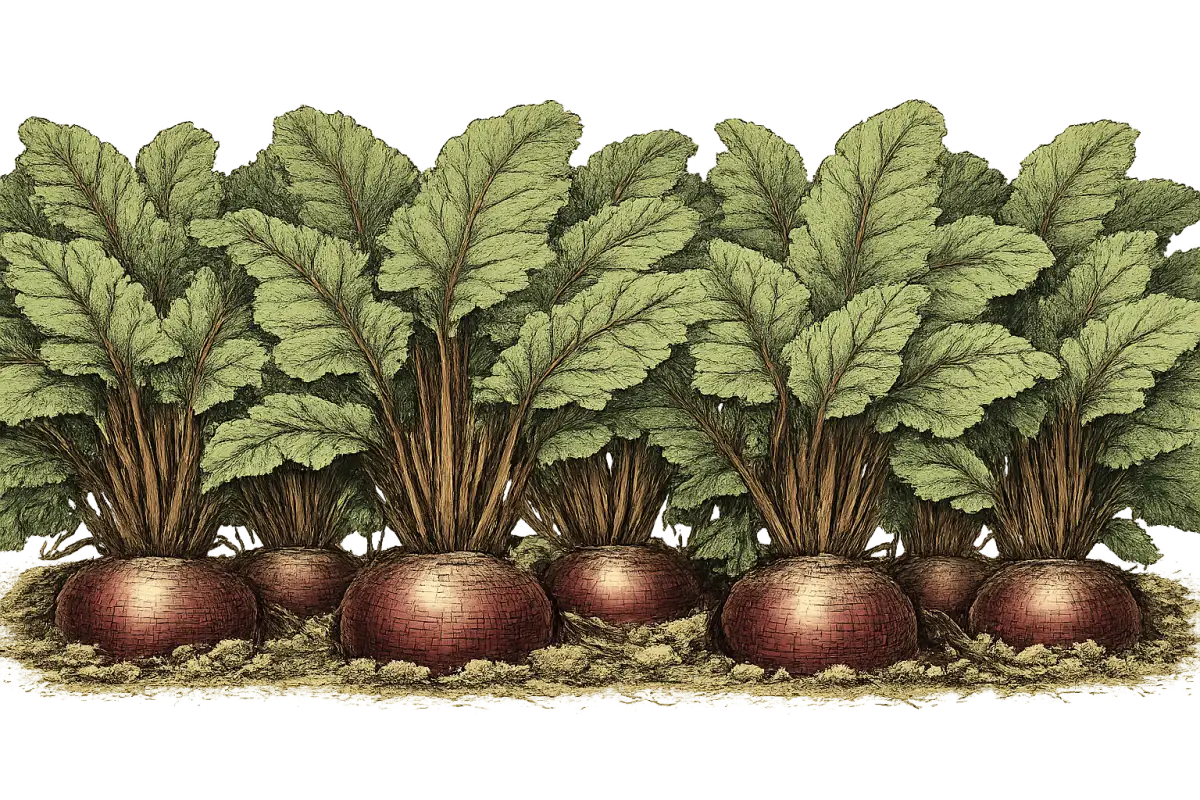
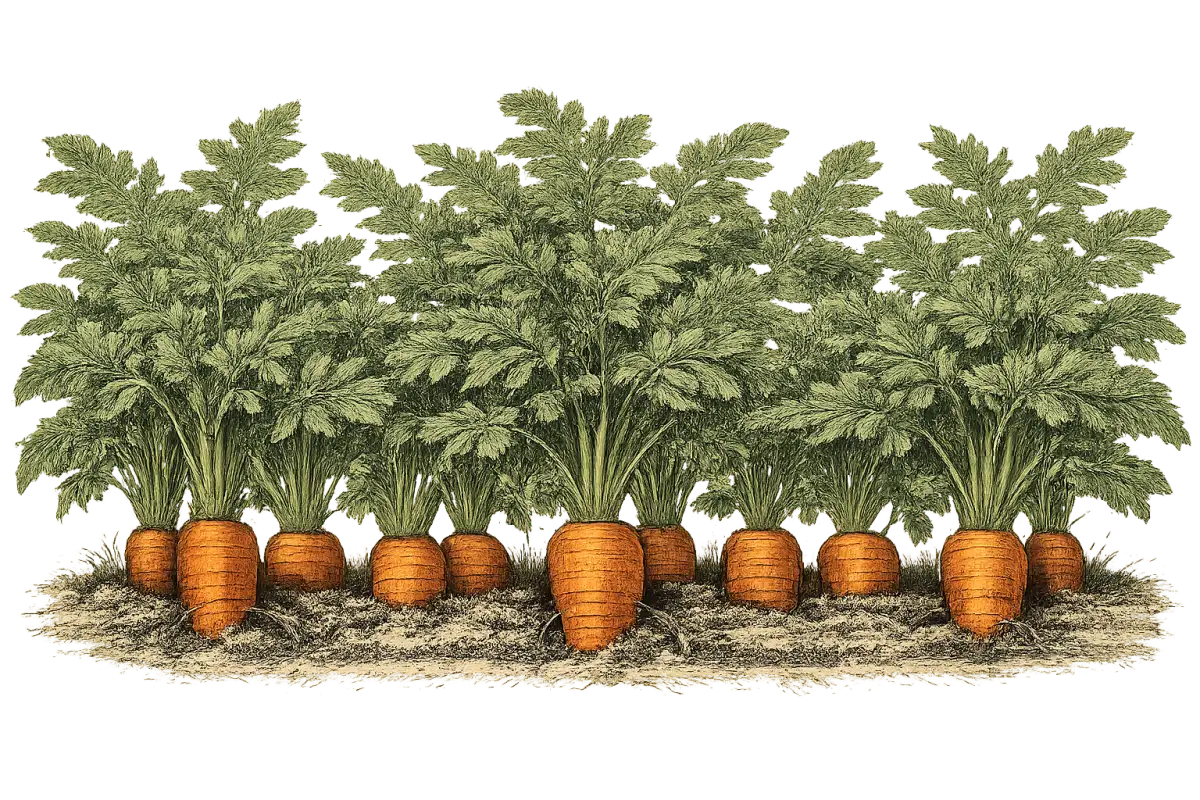
Late July through early September. Plant cool-season crops (broccoli, cabbage, kale, lettuce, carrots, beets) when the worst summer heat starts to break. Many Zone 8 gardeners get their best cool-season harvests from October through December. In the warmest parts of Zone 8, cool-season crops continue producing through winter.