 Where to Plant
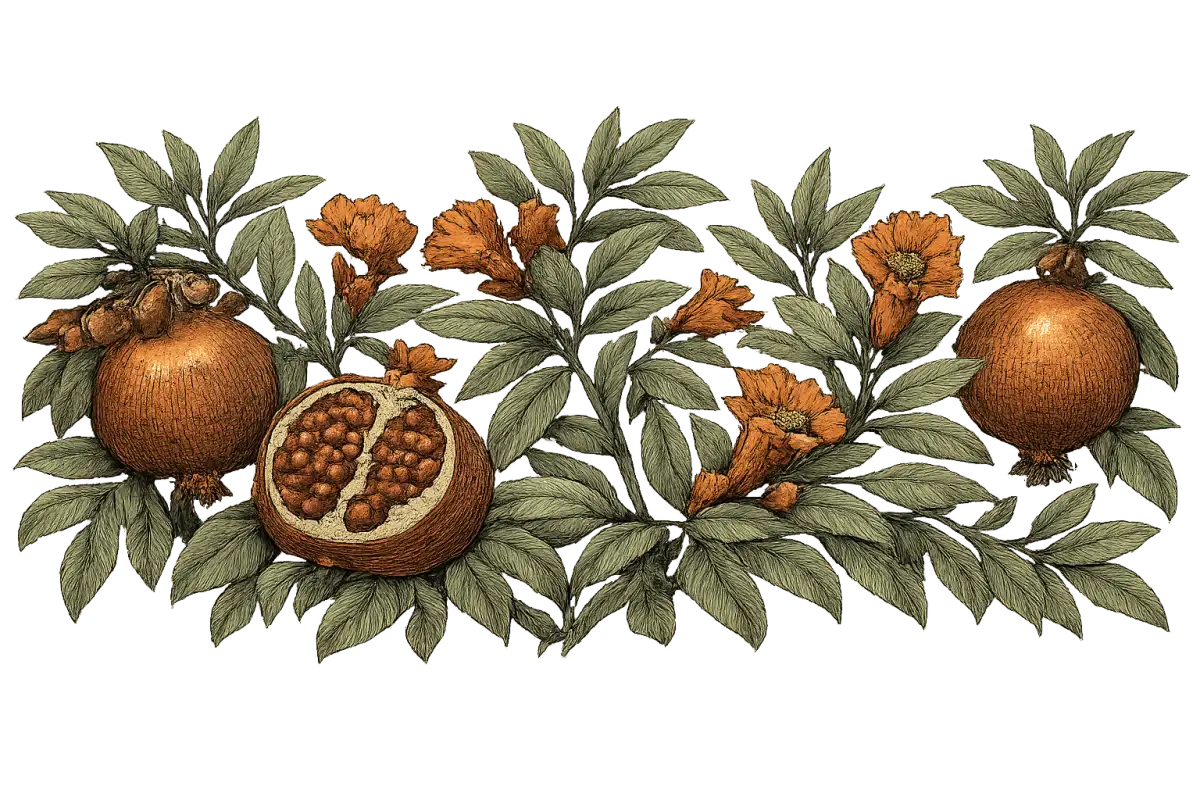


There is a pomegranate tree in the Central Valley of California that is believed to be over 200 years old and still producing fruit. That is not a trivia footnote. That is the promise of this plant.
Pomegranates are among the most forgiving fruit trees you can put in the ground. They tolerate poor soil, extreme heat, alkaline conditions, and outright neglect better than almost anything else that produces edible fruit. A mature tree can yield 50 to 100 fruits in a good season. A single ripe pomegranate at the grocery store runs $3 to $5. Do the math.
And yet, we see them fail. Not from disease. Not from drought. Not from cold, pests, or bad soil. We see them fail because gardeners who are accustomed to coddling fruit trees bring that same energy to pomegranates, and these plants do not need it. Overwatering is the number one killer. Over-fertilizing is the number two. The third most common cause of failure is simply buying the wrong variety for the zone.
That last one is particularly painful, because pomegranate variety selection is not complicated once you understand the rules. In zones 9 and 10, almost anything you plant will thrive. In zone 7, there are really only two safe choices. In zone 6b, there is one. Get the variety right for your climate, give the tree good drainage and full sun, water it consistently during fruit development but not obsessively throughout the year, and you will be harvesting pomegranates in year three and still harvesting them when your grandchildren inherit the tree.
This guide covers everything we know about growing pomegranates well: variety selection by zone, soil requirements, planting, watering (including the watering paradox that trips up even experienced growers), harvesting, and the mistakes that cause the most failures. Let's get into it.
Quick Answer: Pomegranate Growing at a Glance
USDA Zones: 6b through 10 (in-ground); any zone in containers
Sun: 8+ hours preferred; 6-hour minimum
Soil pH: 5.5-7.0 preferred; tolerates up to 7.5 without amendment
Drainage: Non-negotiable; standing water is one of the few reliable ways to kill this tree
Spacing: 10-15 feet (tree form); 6-8 feet (hedge)
Water: Deep and infrequent for established trees; consistent during fruit development (July-October)
Fertilizer: Balanced 10-10-10 once in early spring; avoid excess nitrogen
Pollination: Self-fertile; cross-pollination with a second variety increases yield
First harvest: Year 3 (light); full production by Year 5-6
Mature yield: 50-100+ fruit per tree annually
Lifespan: 50-200+ years
The Watering Paradox (Why Pomegranates Confuse Experienced Gardeners)
I want to address this before anything else, because it is the thing most likely to trip you up even if you have been growing fruit trees for years.
Pomegranates are native to the arid regions of Central Asia and the Mediterranean. They evolved over millennia in climates with long, dry summers and minimal rainfall during the growing season. Their root systems go deep to access subsurface moisture. Their thick, leathery leaves resist water loss. An established pomegranate tree -- one that has been in the ground for three or more years -- can survive on rainfall alone in many climates. Slight water stress, documented across multiple sources, actually triggers better blooming and fruiting.
So why do we still talk about watering so much?
Because the tree can handle drought, but the fruit cannot.
From the time fruit sets in July through harvest in September or October, your pomegranates need consistent soil moisture. Not heavy watering. Not daily irrigation. Consistent, moderate, predictable moisture. Here is what happens when that consistency breaks down: the fruit rind hardens during a dry spell. The arils inside keep developing and press outward against the rigid rind. Then rain arrives, or you compensate with heavy irrigation, and the arils swell faster than the hardened rind can accommodate. The fruit splits open.
Fruit splitting is the most common pomegranate harvest problem in the country. It is almost entirely caused by the wet-dry-wet cycle. Not by pests, not by disease, not by variety. By inconsistent watering.
The fix is not complicated, but it requires attention. During the fruit development window, do not let the soil completely dry out between waterings. Do not drench the tree after a dry spell -- if you missed a scheduled watering, resume at your normal moderate rate and return to schedule. Apply 3-4 inches of mulch around the root zone to buffer soil moisture between waterings. If you see heavy rain in the forecast and your fruit is approaching ripeness, harvest anything that is close and do not wait.
For young trees in years one and two, regular weekly deep watering is essential. The root system is still developing and the tree cannot access deep moisture yet. Once you reach year three and beyond, transition to deep watering every two to three weeks during the growing season -- and focus your consistency efforts on that July-through-October fruit development window.
Two practical notes on the overwatering side. First, overwatering kills pomegranates through root rot in a way that underwatering rarely does. A gardener who waters too little will have a stressed tree; a gardener who keeps the soil saturated will have a dead one. When you see wilting in a pomegranate that is sitting in consistently wet soil, the problem is not drought -- the roots are rotting, and adding more water accelerates the death spiral. Second, "deep watering" is a specific technique, not just more water. Run a hose at slow trickle for 30-45 minutes, or use drip emitters. The goal is to saturate the soil to 12-18 inches deep, which drives roots downward and builds the drought tolerance the tree will rely on for the rest of its life. Shallow, frequent watering produces shallow roots and a tree that is permanently dependent on you.
Soil: Where Pomegranates Surprise You
Here is what most gardeners do not know about pomegranate soil requirements: there basically are none. Not in the way that blueberries have strict pH requirements, or that peaches need well-amended loam. Pomegranates are genuinely tolerant of poor, rocky, gravelly, and alkaline soil in ways that most fruit trees are not.
The preferred pH range is 5.5 to 7.0, but the tree tolerates conditions up to about 7.5 without meaningful problems. This is one of the widest pH tolerance ranges of any fruiting plant. Citrus wants 6.0 to 7.0. Blueberries want 4.5 to 5.5. Pomegranates span the middle and beyond. In the alkaline soils common throughout the Southwest, Southern California, and much of the Great Plains -- soils where many fruit trees struggle -- pomegranates are often the best-performing option available.
If your soil pH is between 5.5 and 7.5, do not touch it. No amendment needed. If you test and find pH above 7.5, apply elemental sulfur to bring it down slightly, though pomegranates often perform adequately even at those levels. Annual pH testing is not necessary here the way it is for blueberries -- unless you are seeing symptoms of nutrient deficiency, leave the soil chemistry alone.
There is one hard requirement that has nothing to do with pH or nutrient content: drainage. Pomegranates will not tolerate standing water. Root rot from waterlogged soil is one of the few things that reliably kills this plant. To test drainage before planting, dig a 12-inch hole, fill it with water, let it drain completely, fill it again, and time the second drain. Good drainage means empty within one to four hours. If your hole is still holding water at the eight-hour mark, do not plant there without remediation.
The fixes for poor drainage are real but require some work. In heavy clay, plant on a raised mound or berm 12-18 inches above grade. In low-lying areas, find a different spot -- pomegranates prefer slopes and elevated ground. If you have a high water table, container growing is a better option than trying to work around it.
One counterintuitive note on soil richness: multiple sources note that excessively fertile soil is counterproductive for pomegranates. A tree planted in heavily amended, nutrient-rich soil puts its energy into lush vegetative growth -- leaves and shoots -- at the expense of flowers and fruit. Moderately fertile, well-drained native soil often produces a better-fruiting tree than lovingly prepared garden beds. Minimal soil preparation is the principle. When planting, do not heavily amend the backfill soil. Fill the hole with the native soil that came out of it. The tree will adapt to the native conditions and start accessing surrounding soil faster than it would from a heavily amended planting hole surrounded by dense native ground.
The two micronutrients worth watching are calcium and boron, both because deficiencies weaken fruit rind structure and contribute directly to splitting. In spring, applying gypsum (calcium sulfate) at 2-5 pounds per tree provides calcium without affecting soil pH. On sandy soils where calcium leaches more readily, this is worth doing proactively. Boron deficiency is less common but possible on sandy soils; a tablespoon or two of borax per tree per year addresses it, though be cautious about application rate -- boron toxicity happens quickly at higher doses.
Best Pomegranate Varieties by Zone
This section is where zone 7 and below growers need to pay particularly close attention. The variety choice is different in cold zones, and getting it wrong means watching your tree die back to the ground -- or not come back at all -- after a hard winter.