 Where to Plant


Overview
Zone 9 covers much of Florida, southern Texas, southern Arizona, the Central Valley of California, and the southern California coast. With long, hot summers and very mild winters, you're essentially gardening in a different paradigm than Zone 6 or 7. Heat tolerance — not cold hardiness — is the primary concern.
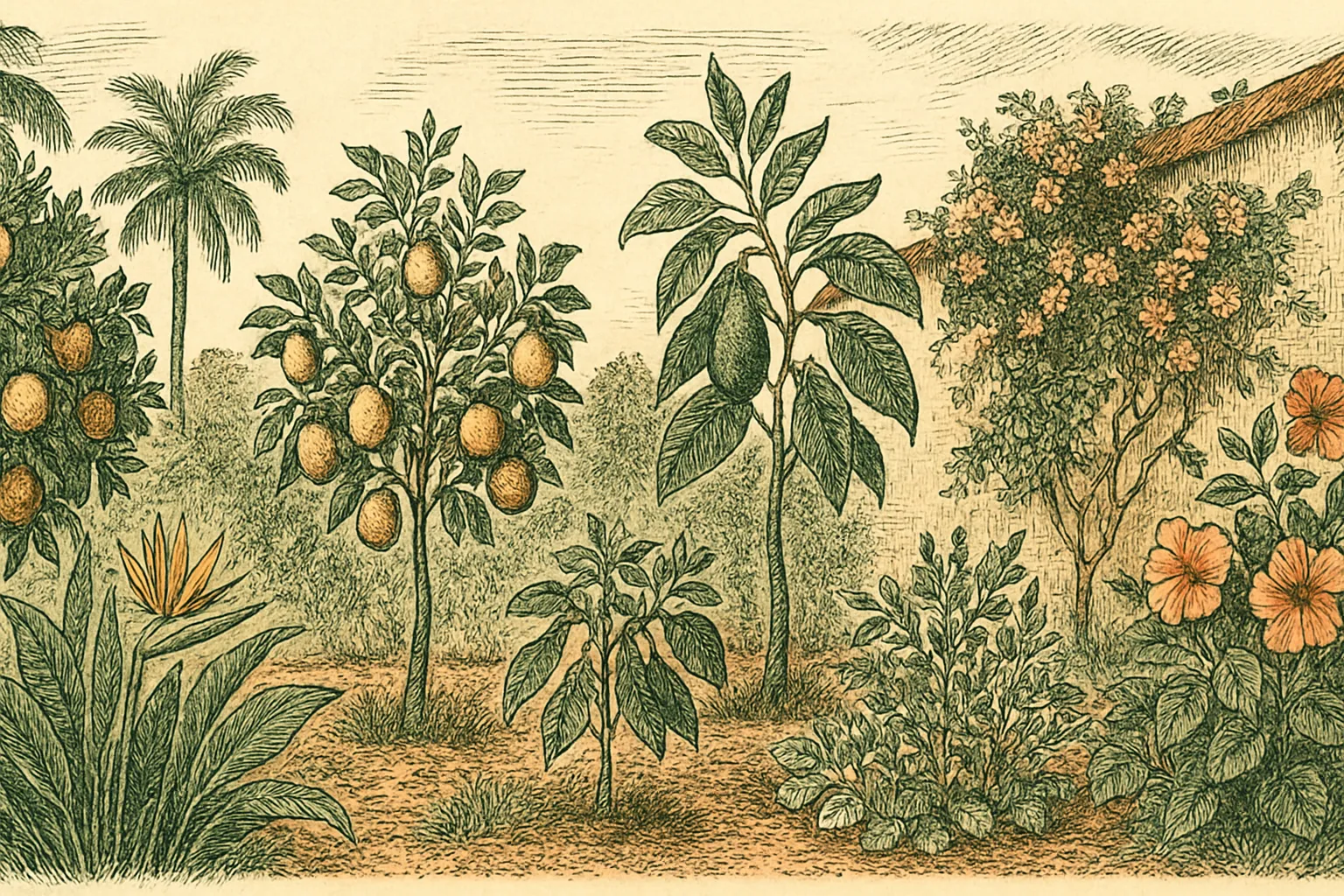
Zone 9 is where many plant categories that are 'houseplants' in the north become landscape plants. Bougainvillea sprawls across walls. Citrus grows in the ground. Tropical fruits like avocado, mango, and guava become realistic in the warmer parts. But the flip side is that traditional temperate plants — apples, peonies, lilacs — struggle or fail entirely because they don't get the winter chill they need.
Where Zone 9 Is
Zone 9 covers central and northern Florida, the southern tip of Texas, much of southern Arizona, the southern California coast and Central Valley, and parts of southern Louisiana. It includes major metropolitan areas like Miami (northern edge of 10, southern edge of 9), Tampa, Orlando, Phoenix, Tucson, and Los Angeles.
Climate & Challenges
Zone 9 winters are very mild — average minimums between 20 and 30°F. Frost happens occasionally in the colder parts but is rare in 9b. Citrus and most subtropical plants survive normal winters without protection. The growing season is 300+ days — effectively year-round in many locations.
Summers in Zone 9 are the dominant feature. Florida and Gulf Coast Zone 9 are hot and oppressively humid for months at a time. Arizona and interior California Zone 9 are hot and very dry. Coastal California Zone 9 is surprisingly mild due to ocean influence. Each subregion requires different plant palettes and gardening techniques.
Main challenges: The main challenge is heat tolerance and the absence of winter chill. Many plants require 'chill hours' (hours below 45°F) to set flower buds or break dormancy properly — Zone 9 doesn't provide enough for traditional apples, peonies, lilacs, and many northern fruits. Summer heat also stresses plants that aren't specifically bred for it. In humid Zone 9 (Florida, Gulf Coast), disease pressure is extreme year-round. In dry Zone 9 (Arizona, interior California), water management is the central challenge.
Best Plants for Zone 9
Below you'll find the best plants for Zone 9organized by category. Each plant is rated on a 5-dot scale: 5 means it thrives here, 4 means it grows well, 3 means it's possible but challenging. Click any plant to see the full growing guide with zone-specific tips.
Best Vegetables for Zone 9
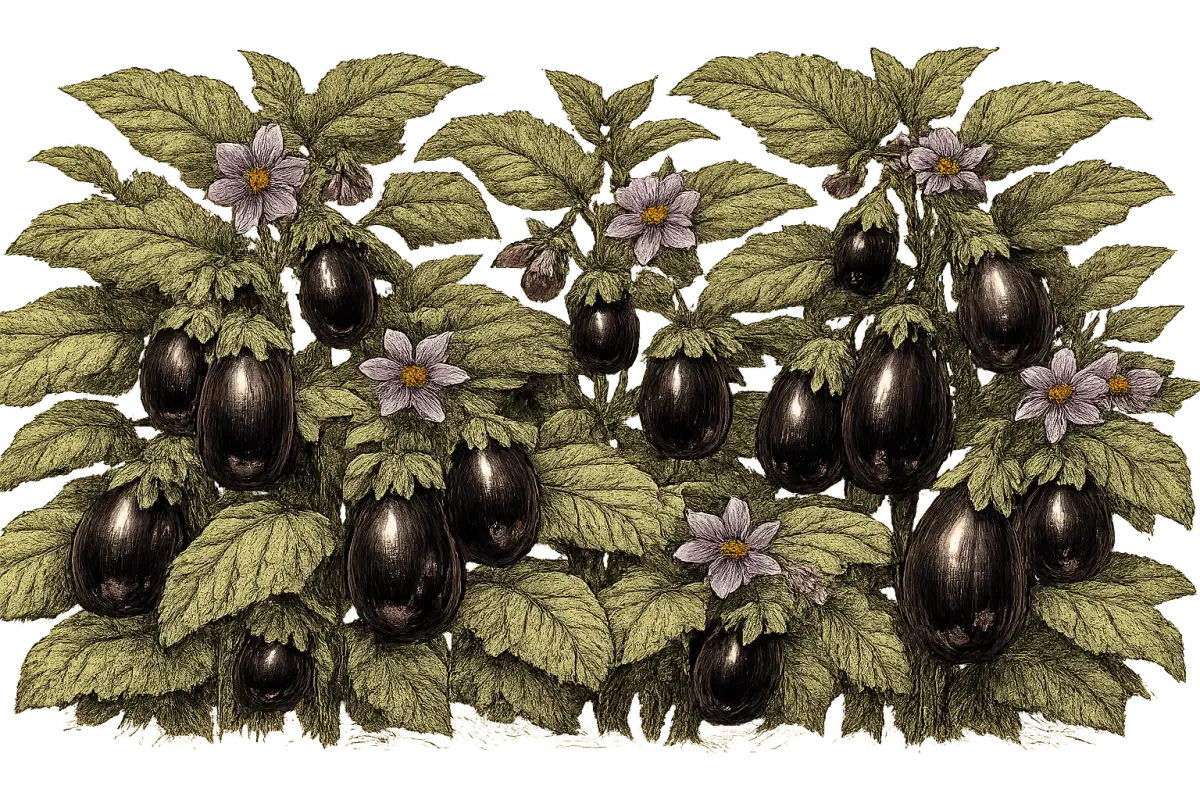
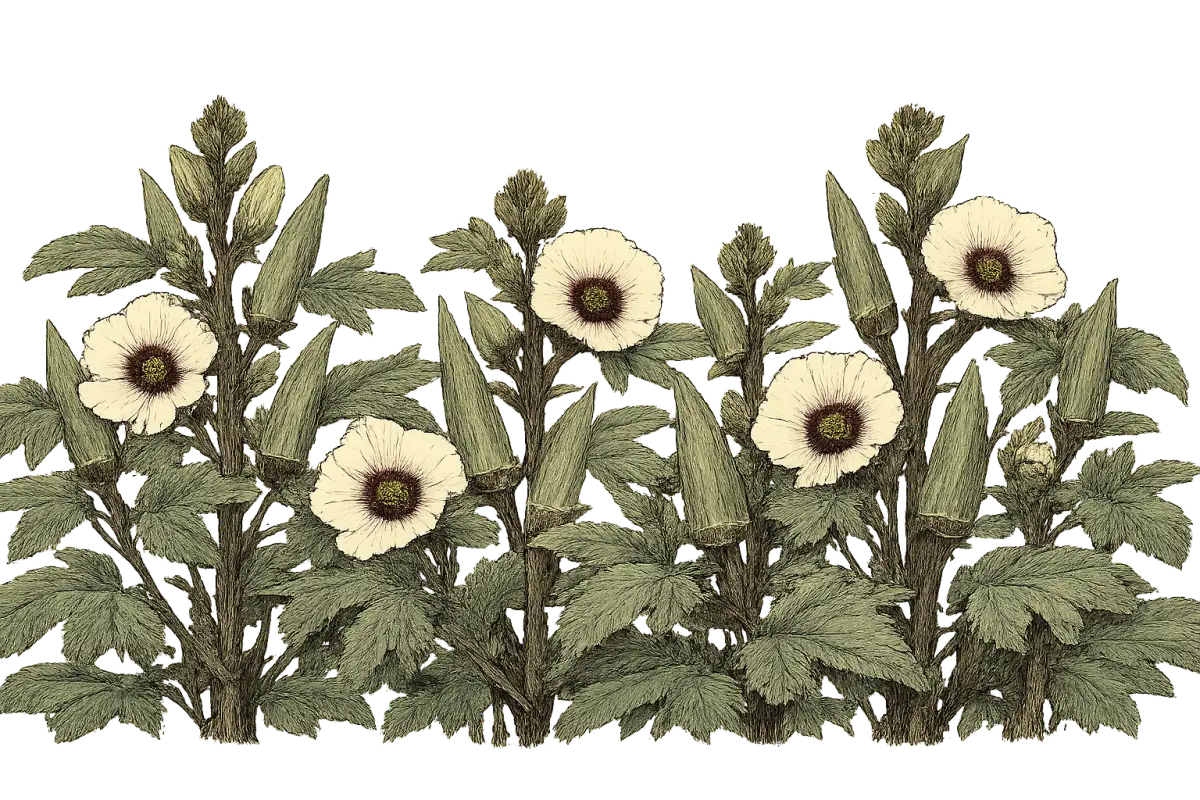
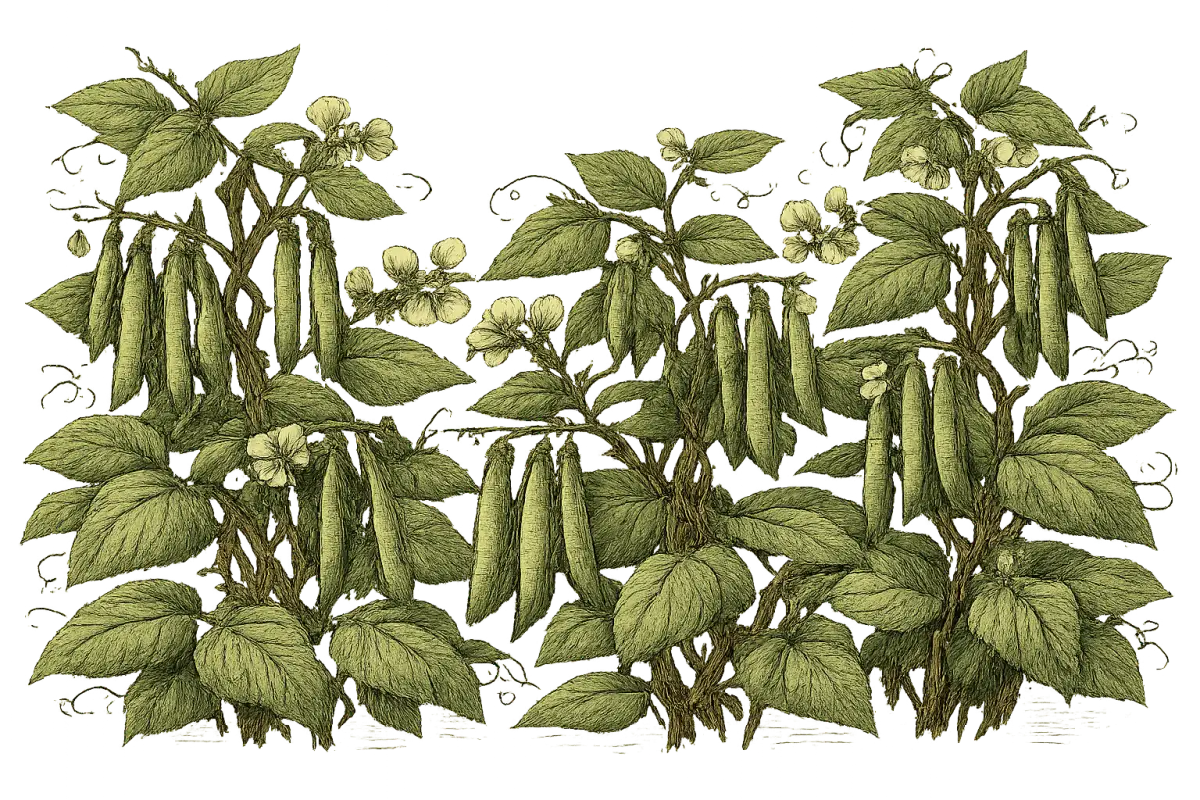
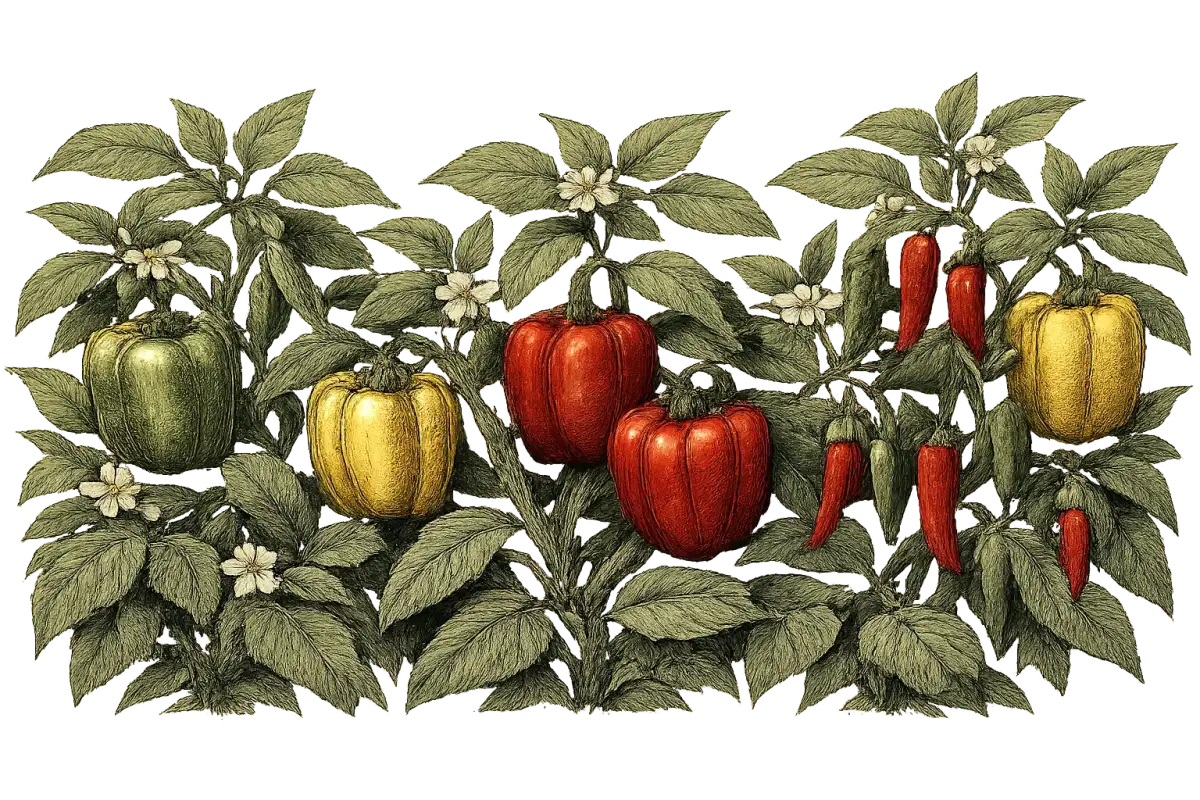
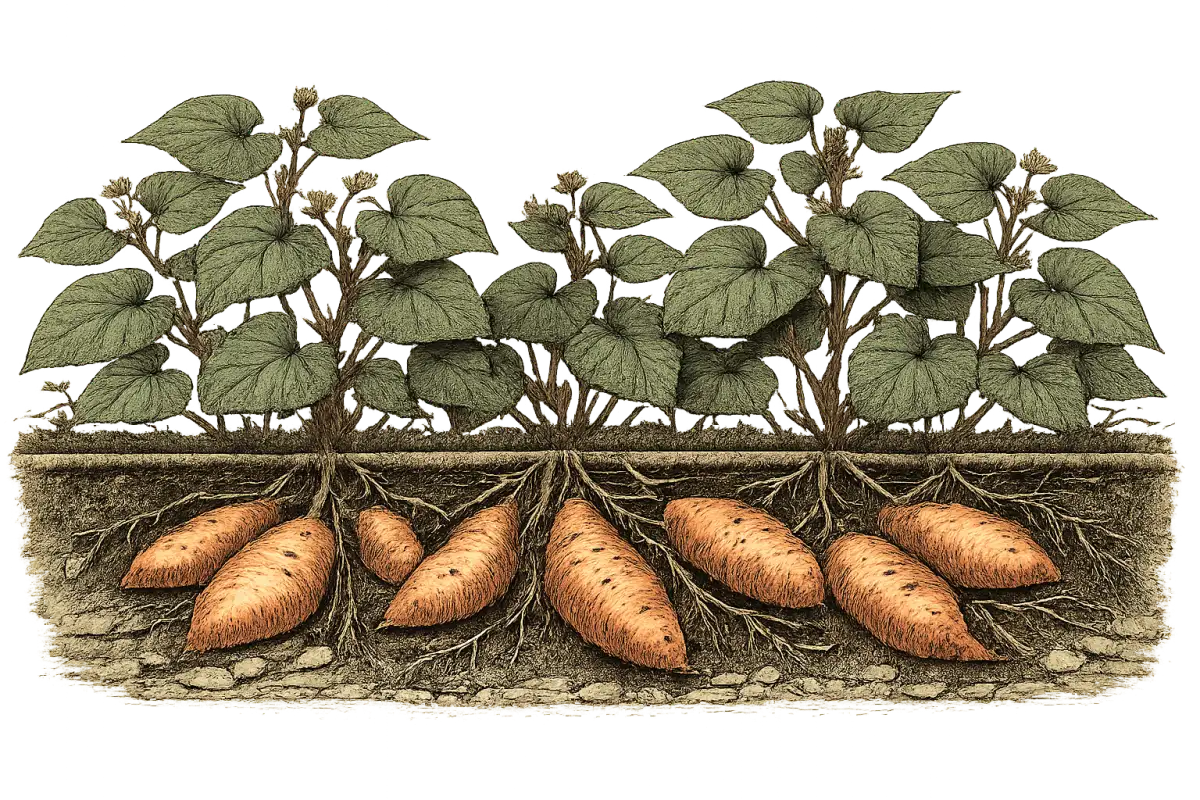
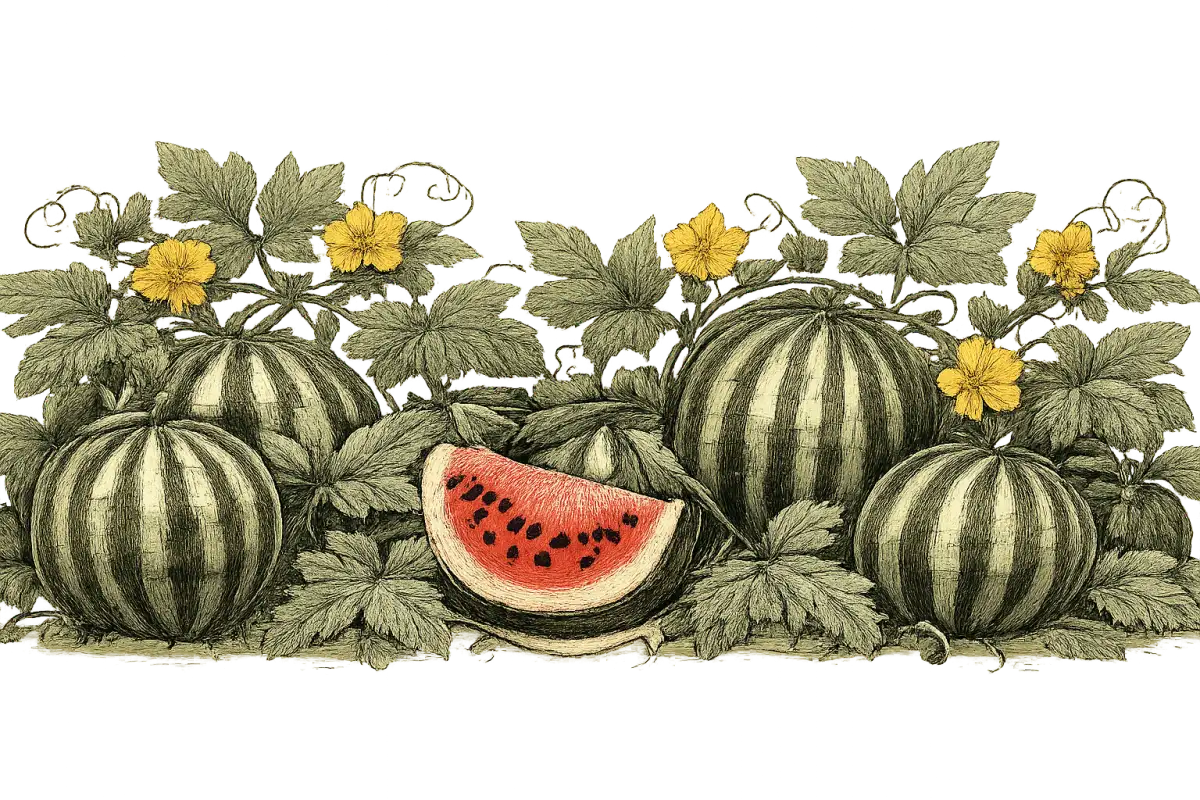
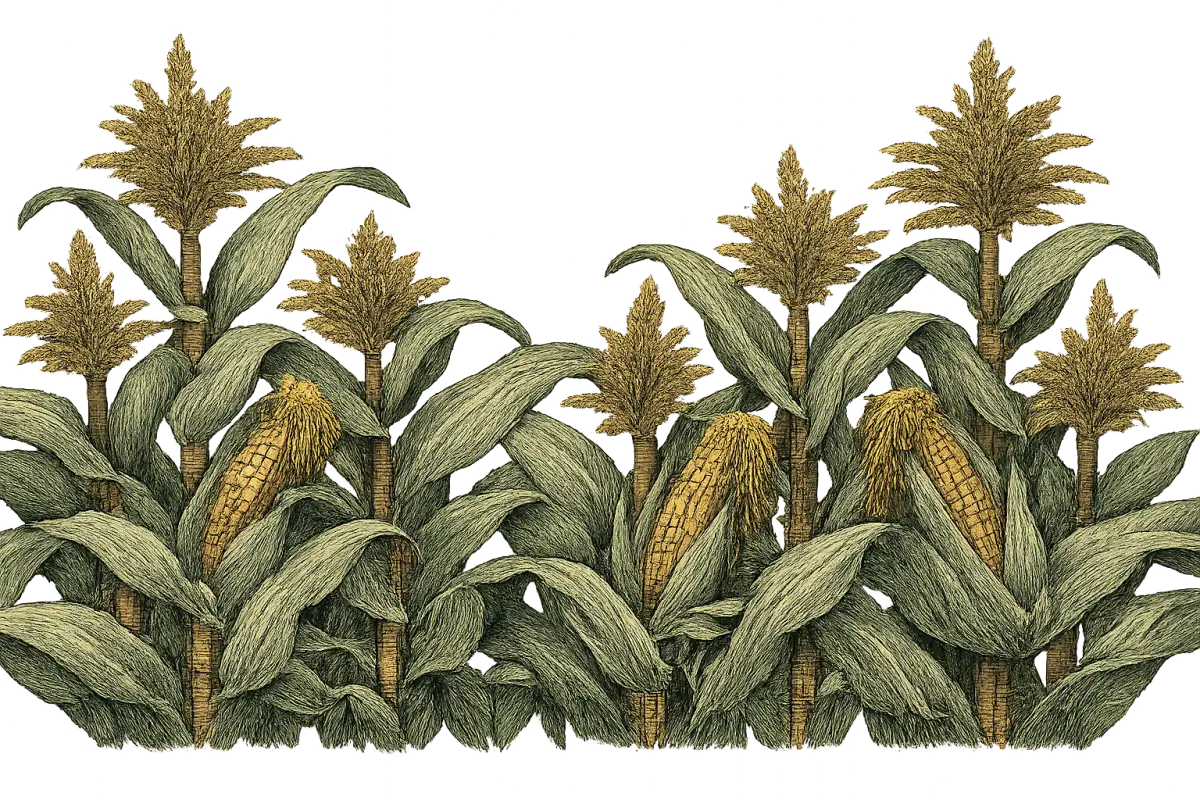
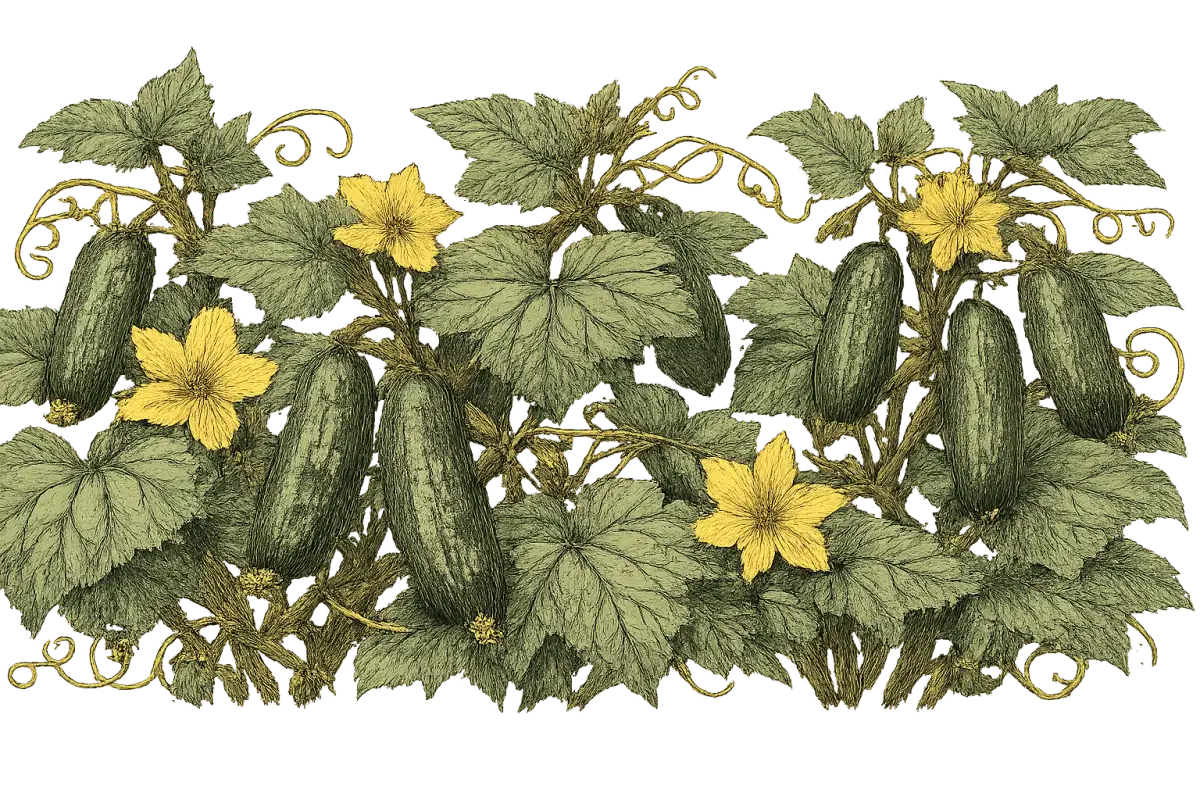
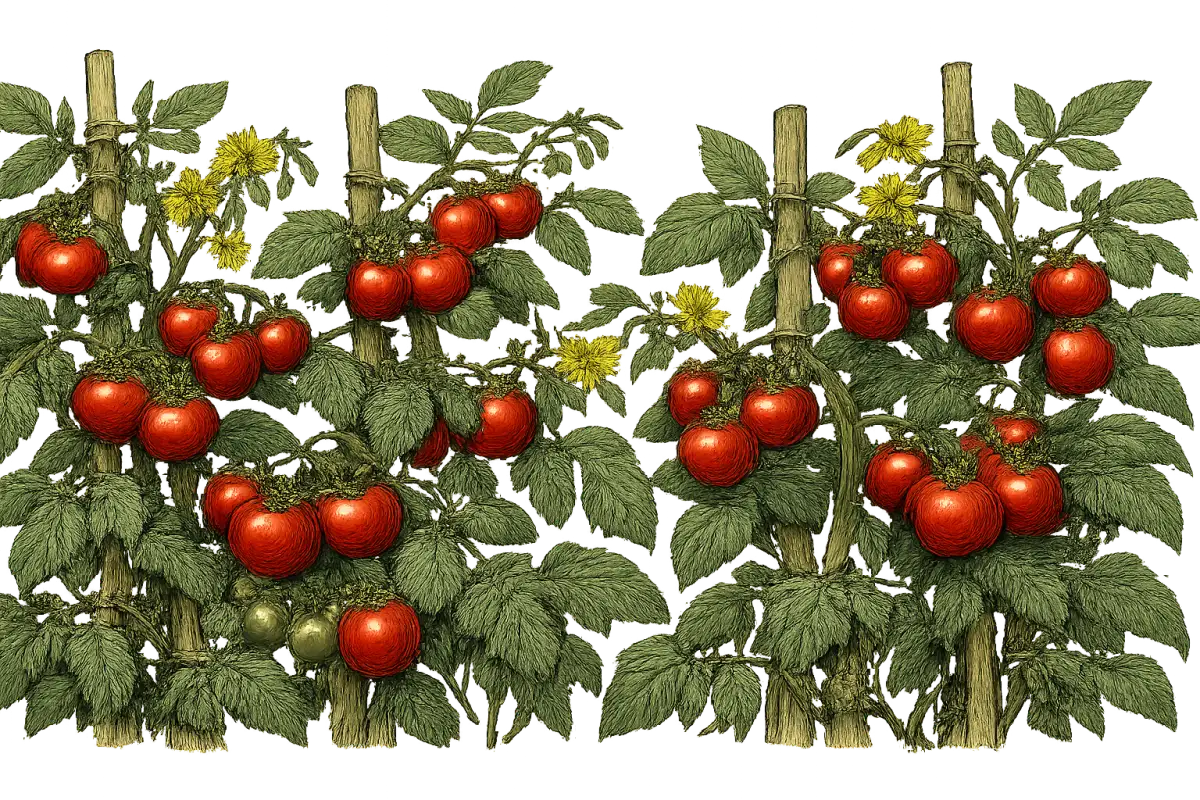
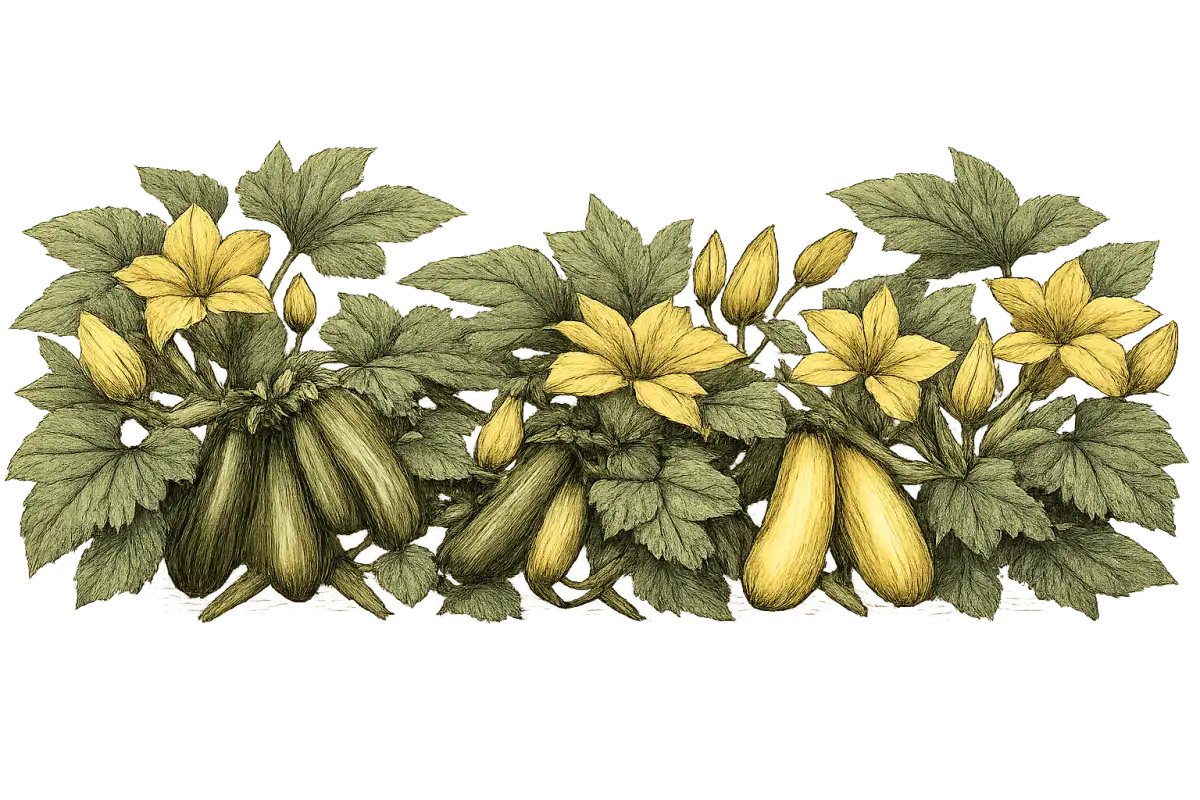
Zone 9 vegetable gardening is nearly inverted from northern zones. Cool-season crops (lettuce, spinach, broccoli, cabbage, peas) grow best in winter — October through March. Warm-season crops (tomatoes, peppers) are typically planted in late winter for spring harvest, then again in fall for a winter crop, with summer being too hot for most varieties to set fruit. Heat-loving crops like okra, eggplant, sweet potatoes, southern peas, and watermelon thrive in Zone 9 summers.

Worth trying (rating 3 — possible but challenging):
Best Fruits for Zone 9
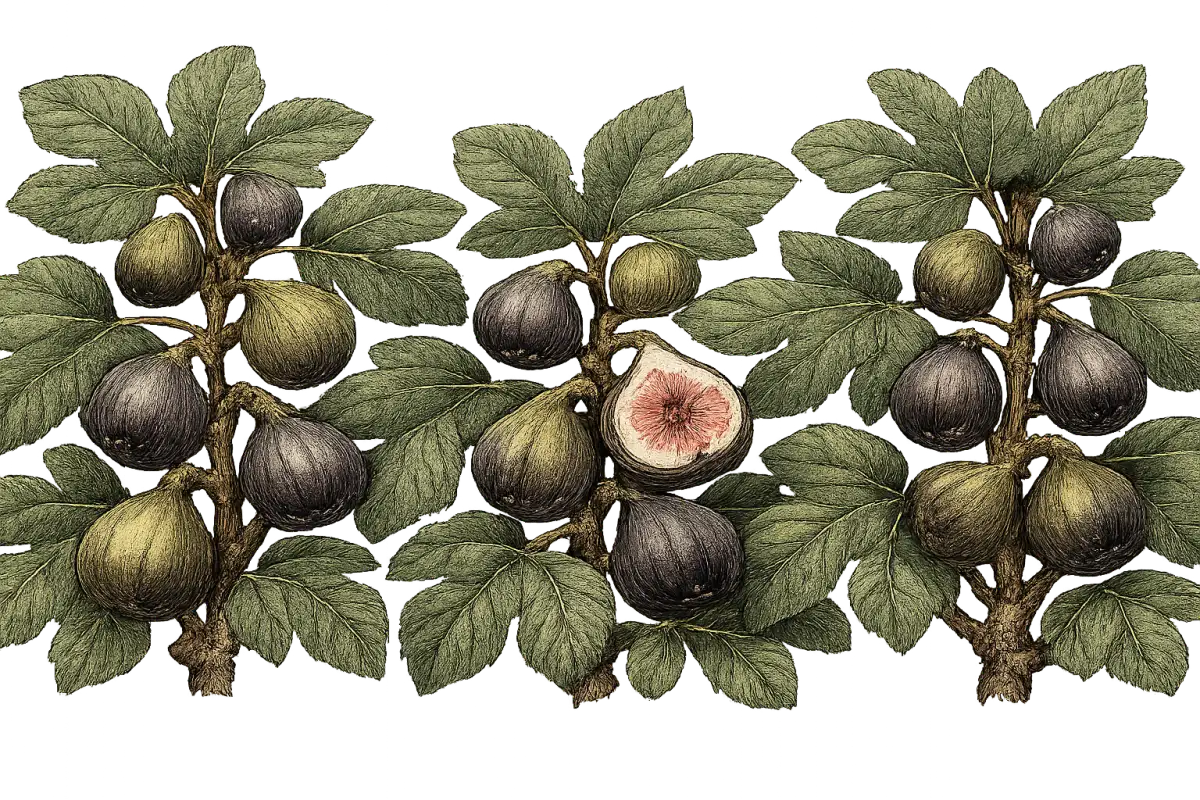
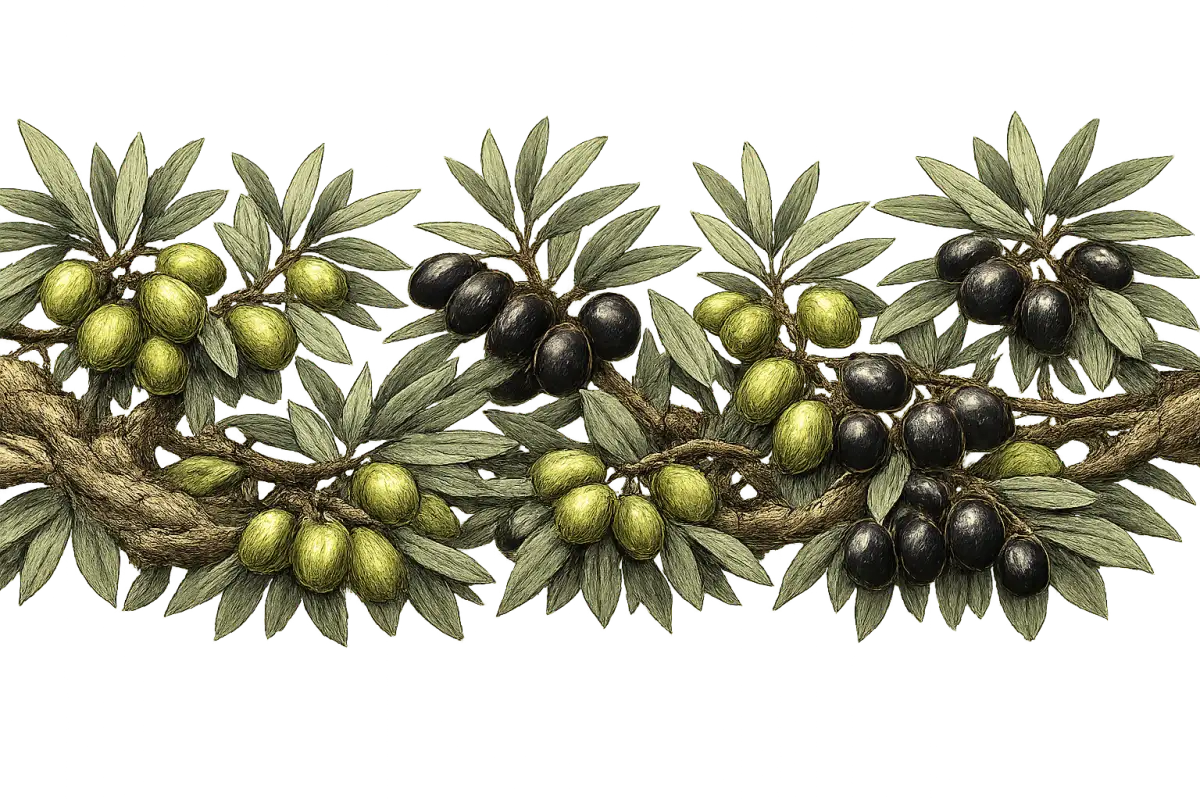
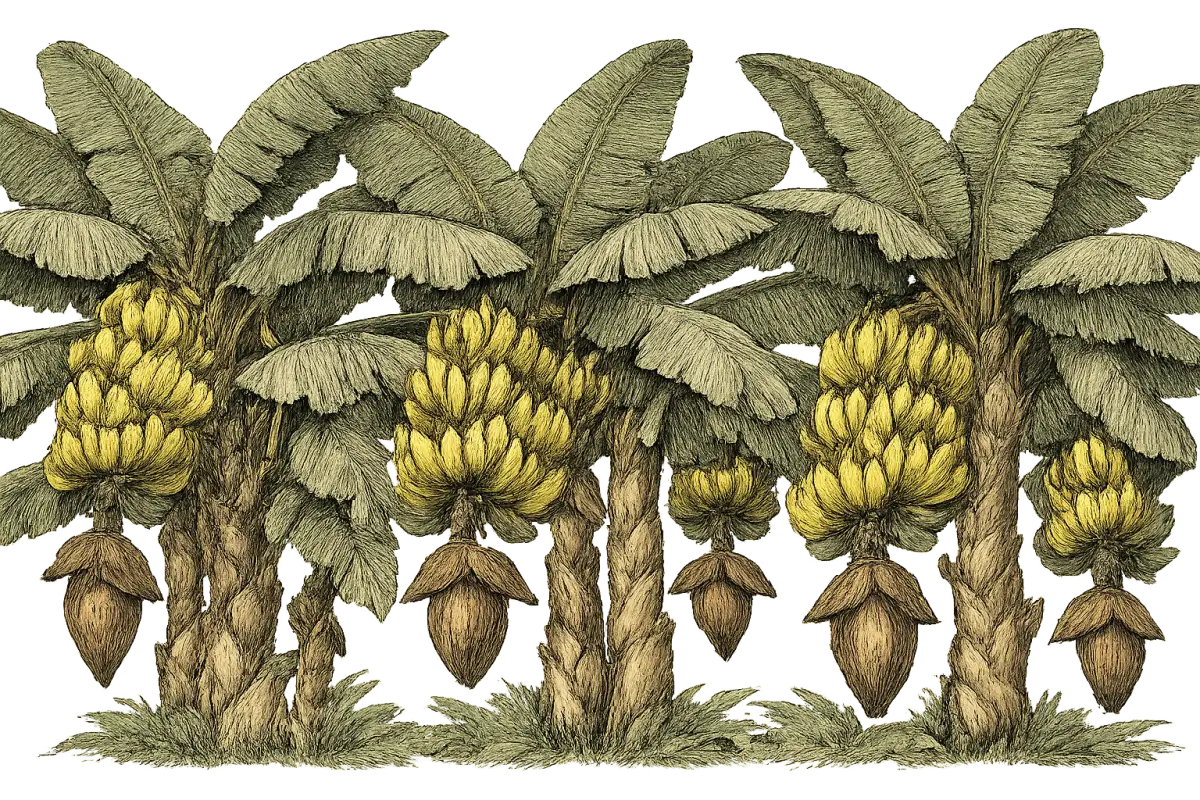
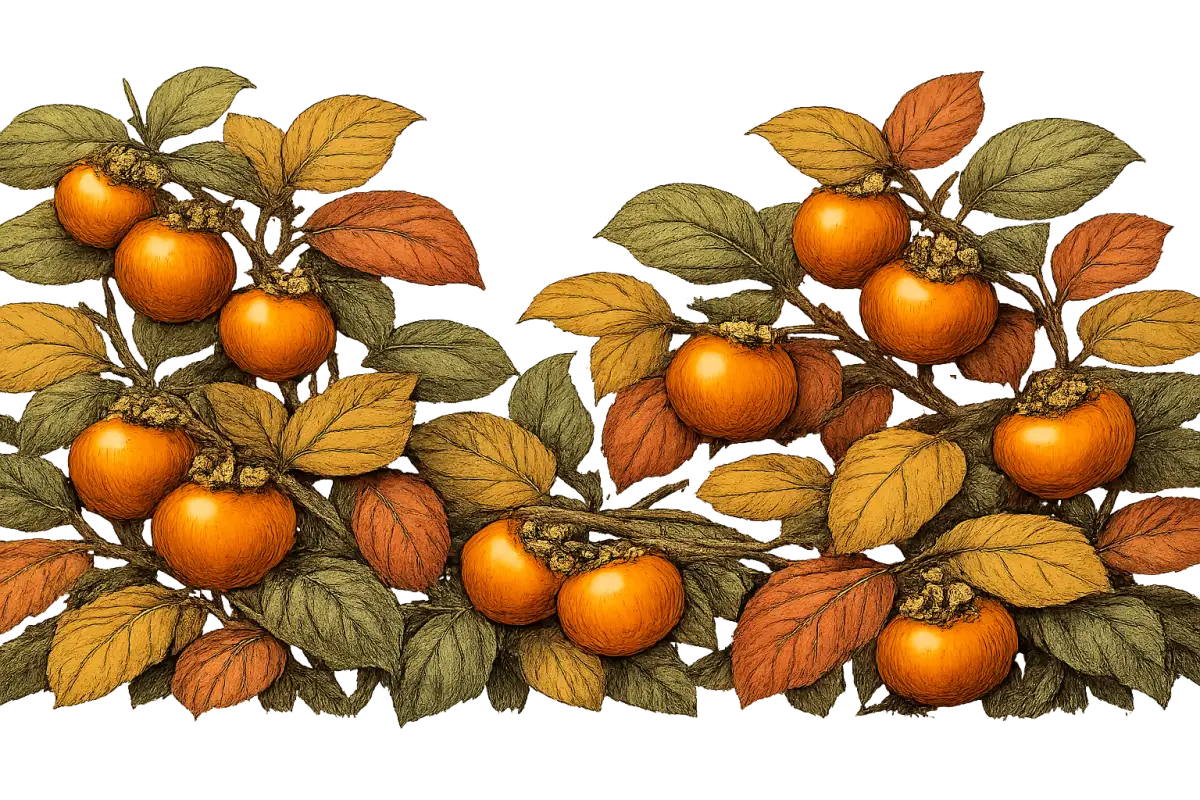
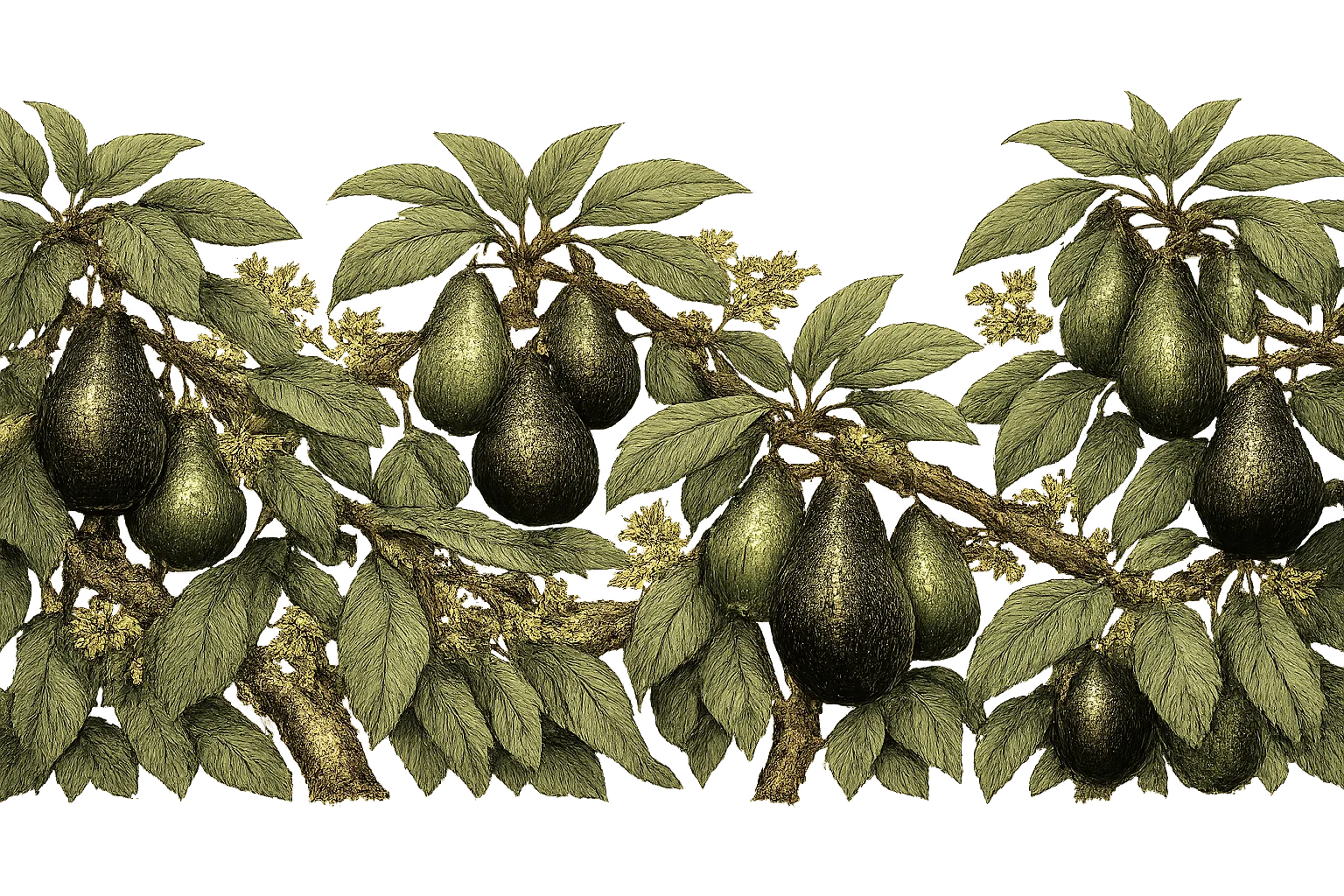
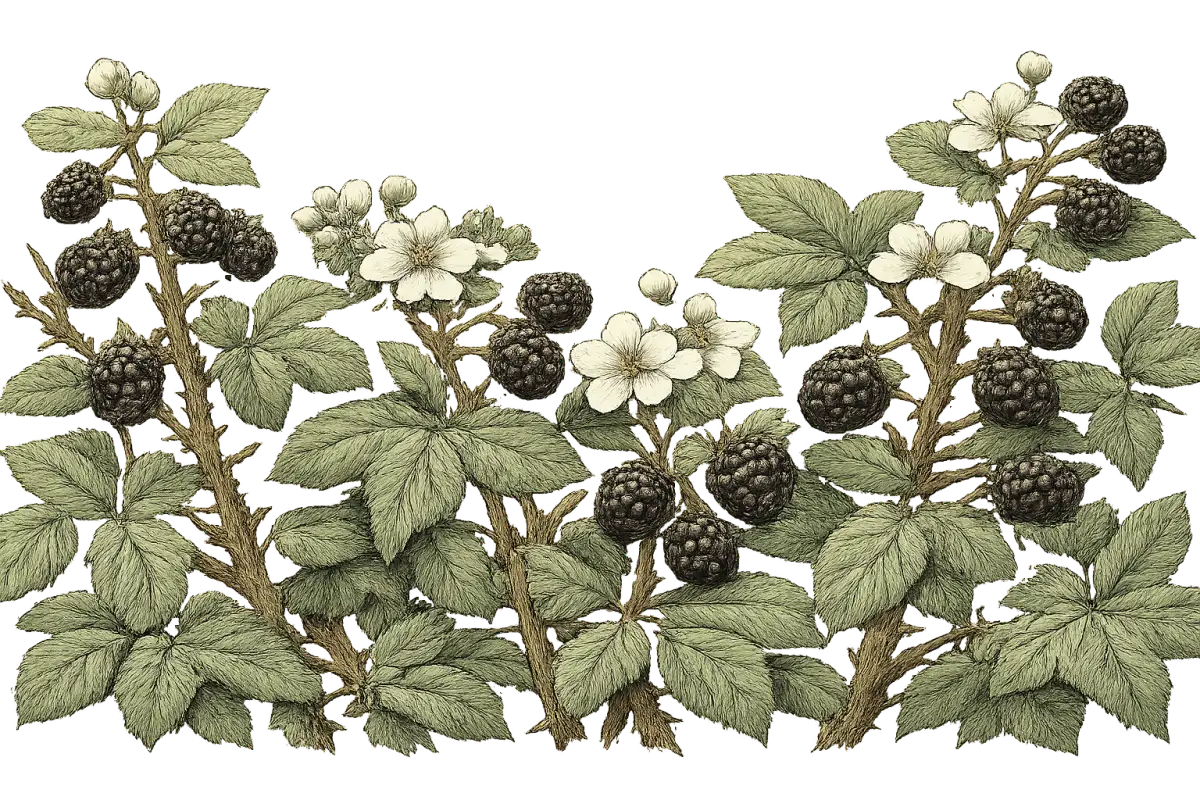
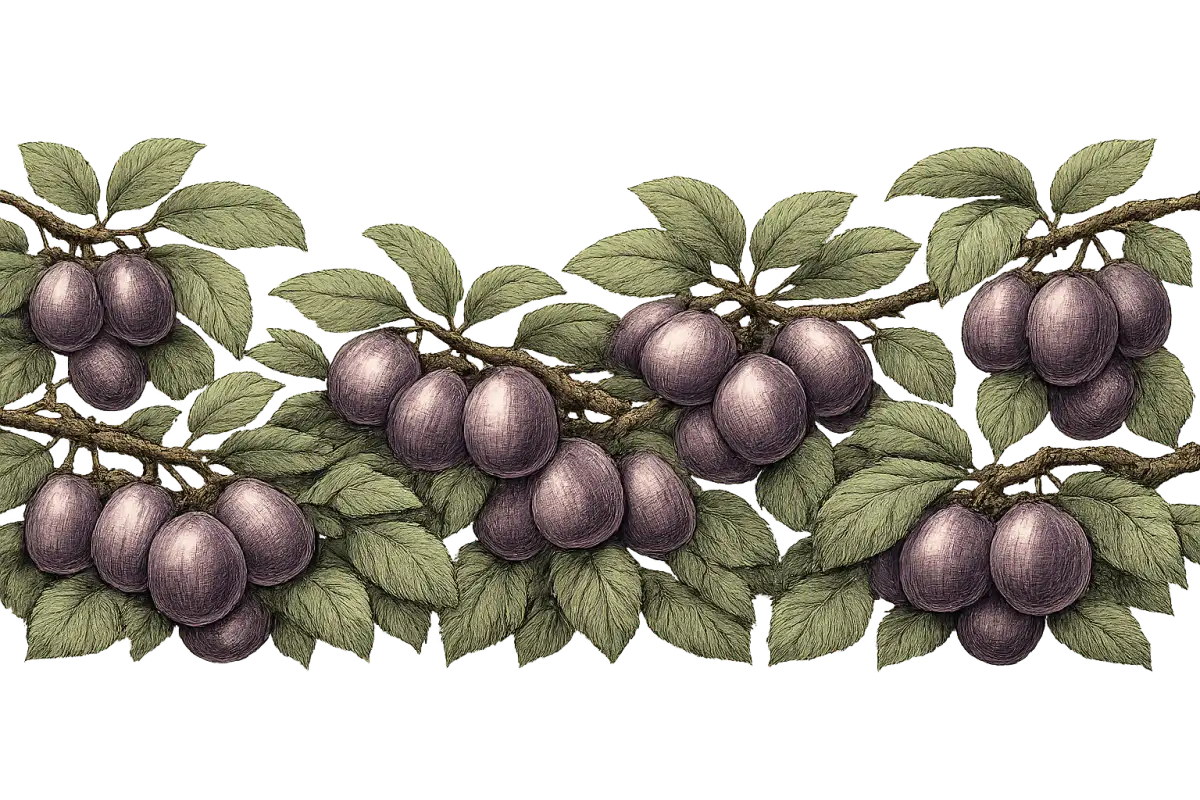
Zone 9 supports a wide range of subtropical and Mediterranean fruits. Citrus thrives: oranges, grapefruit, lemons, limes, mandarins, kumquats, and many less common varieties all work outdoors. Figs produce heavily. Pomegranates and persimmons thrive. Avocados are viable in 9b and warmer. Olives work in the ground. Tropical fruits like loquats, guavas, and carambolas become possible. What doesn't work: traditional apples, sweet cherries, most peonies — anything that needs significant winter chill to bloom or fruit. Low-chill apple varieties exist but even those are marginal.


Worth trying (rating 3 — possible but challenging):
Best Herbs for Zone 9
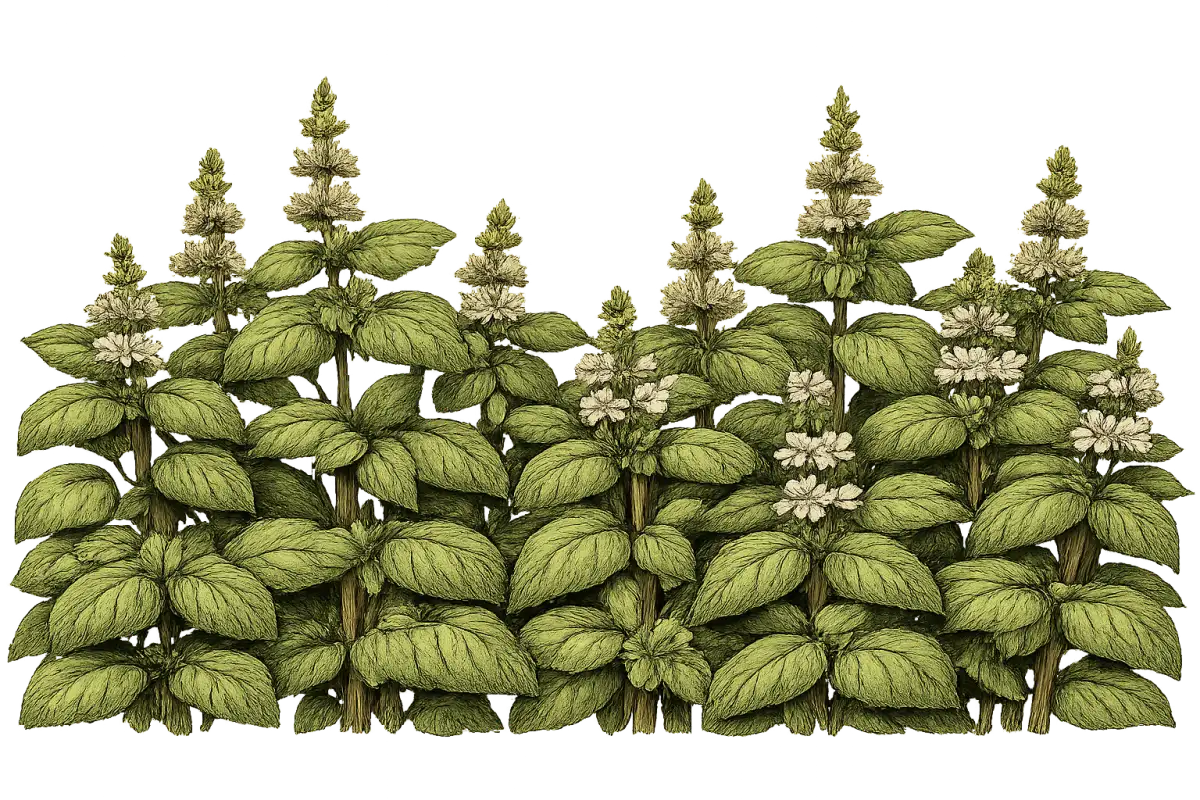
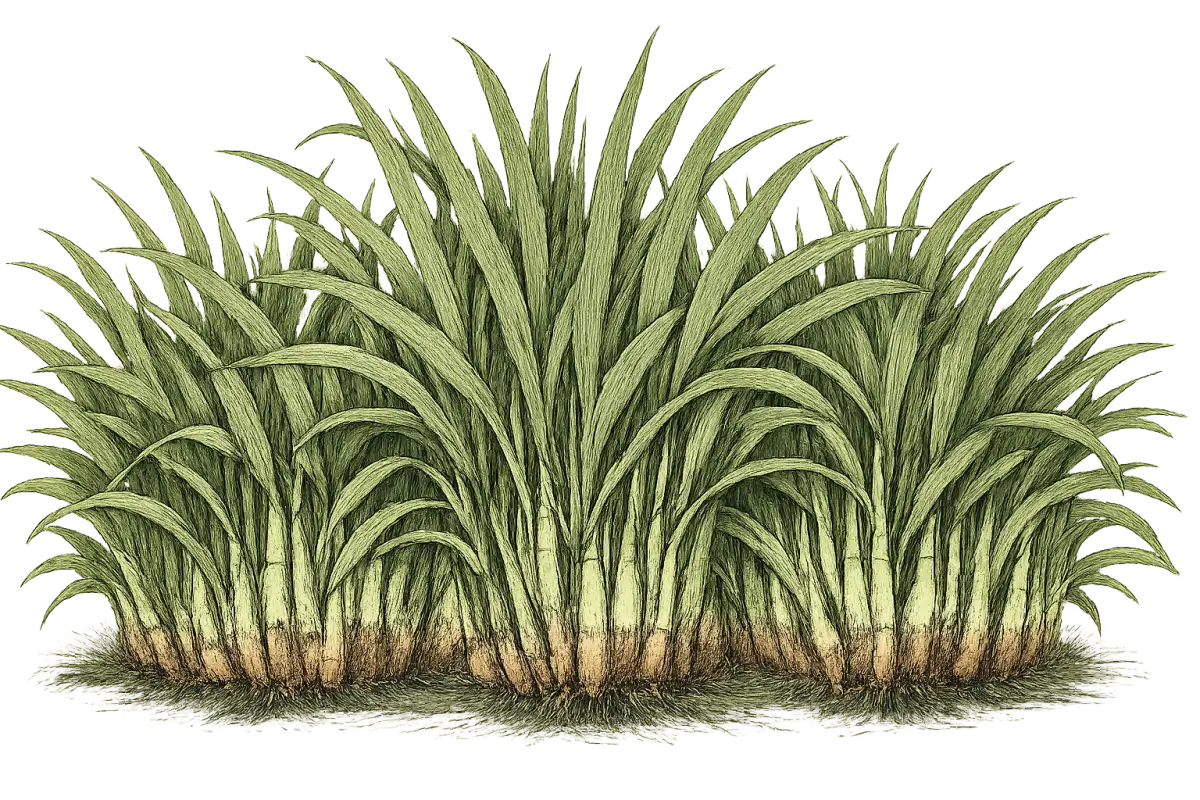
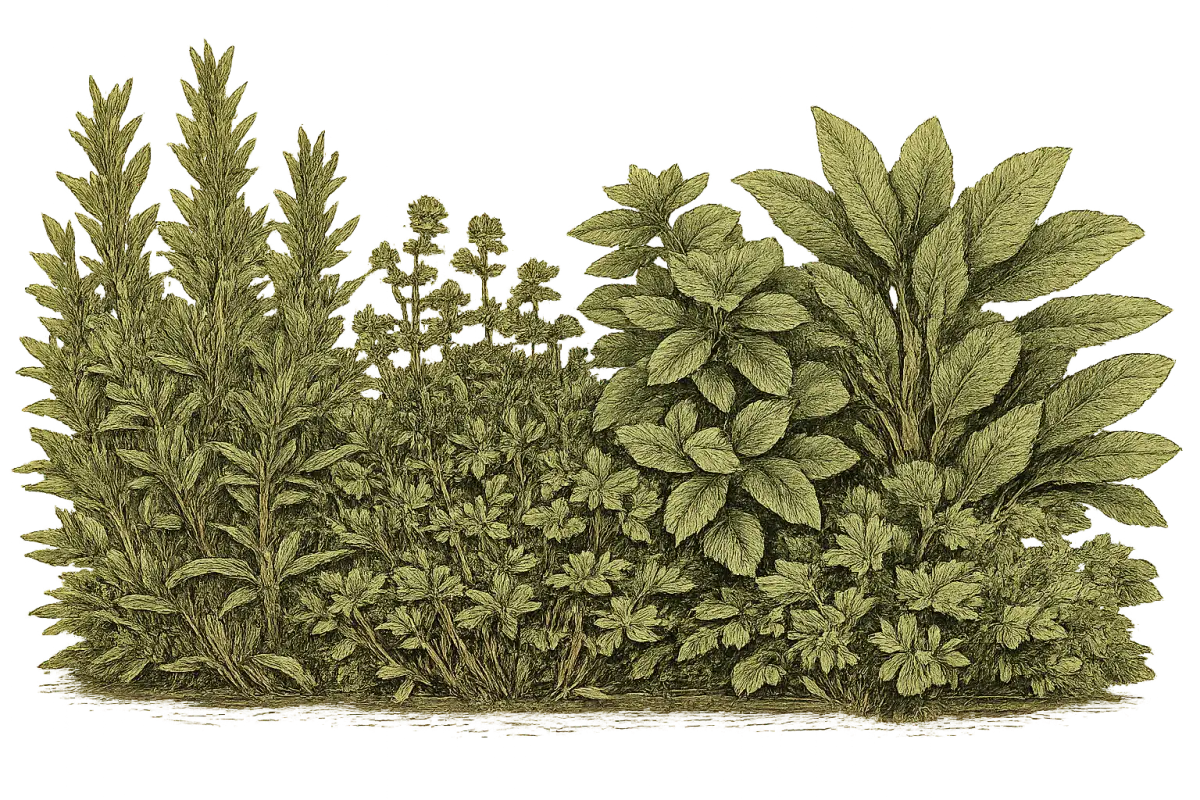
Mediterranean herbs thrive in Zone 9, especially in the drier western areas. Rosemary becomes a large shrub. Thyme, oregano, sage, and lavender work well in well-drained sites. Bay laurel grows as a small tree. Tropical herbs like lemongrass and cuban oregano are reliable perennials. Annual herbs like basil thrive in summer heat. Cilantro and parsley struggle in summer — grow them in the cool season.
Worth trying (rating 3 — possible but challenging):
Best Flowers for Zone 9
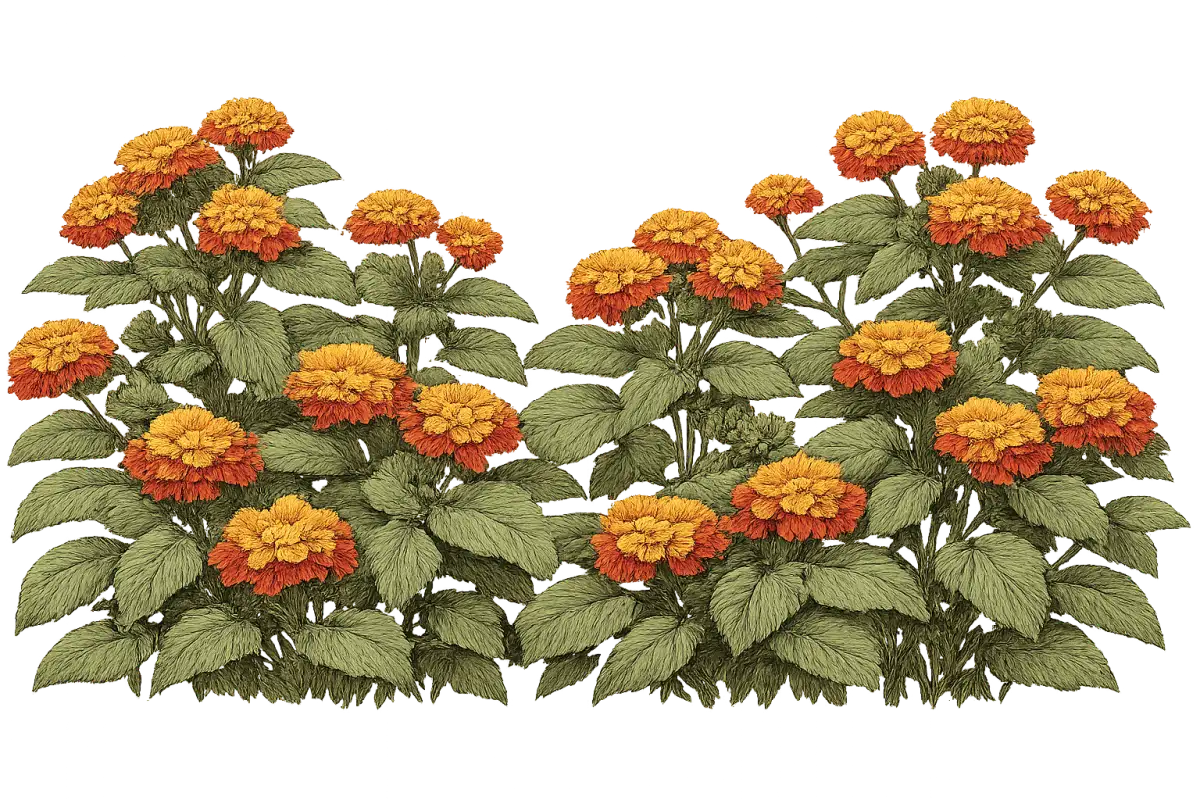
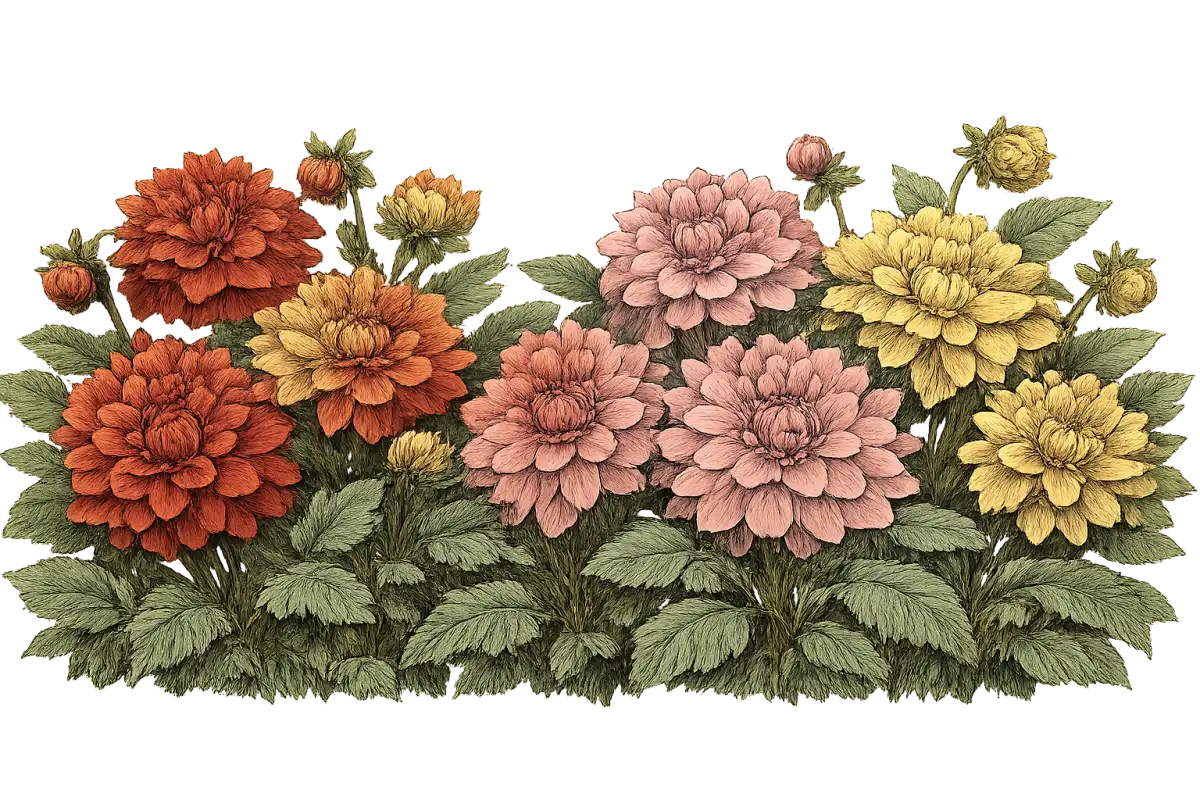
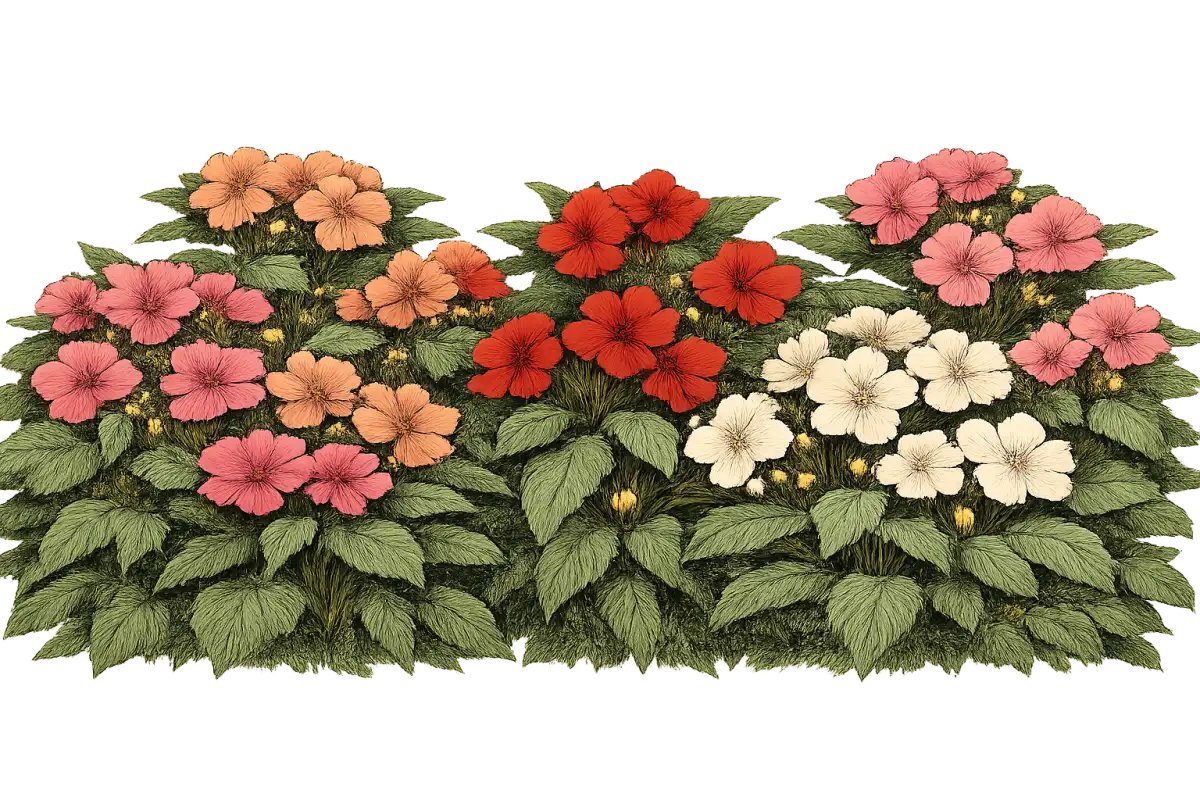
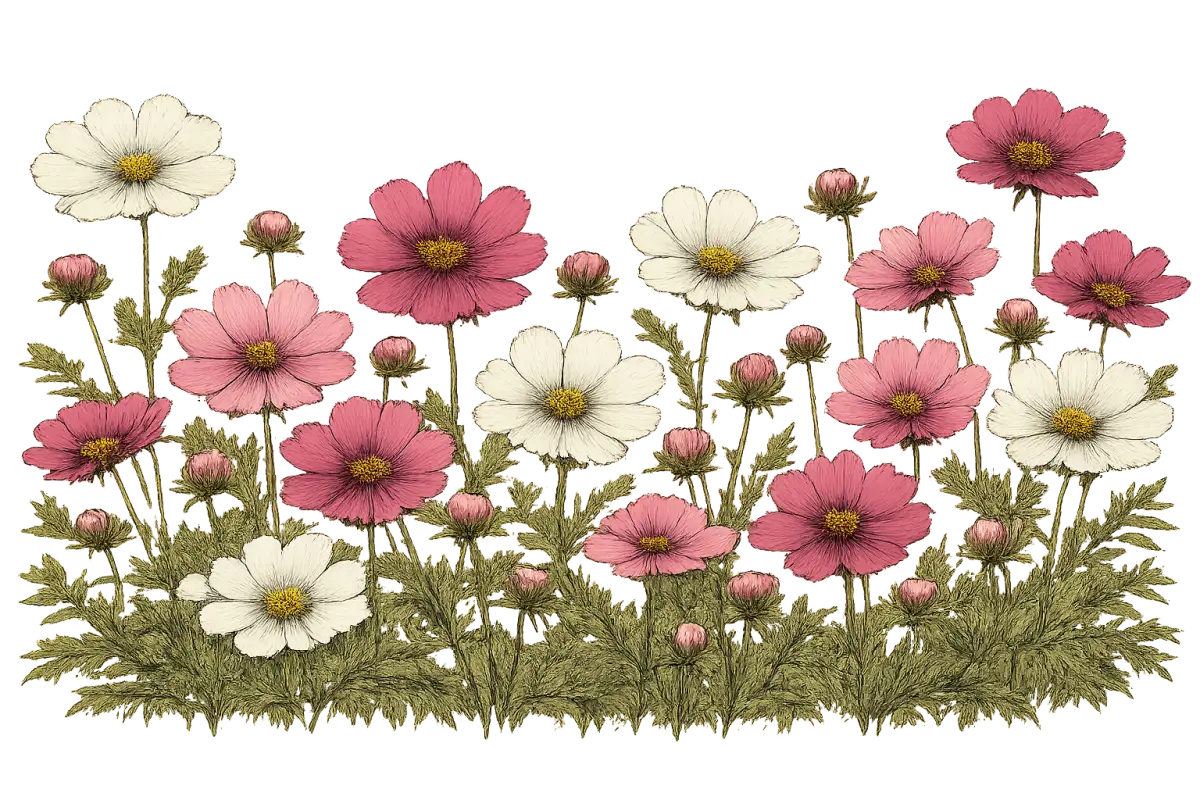
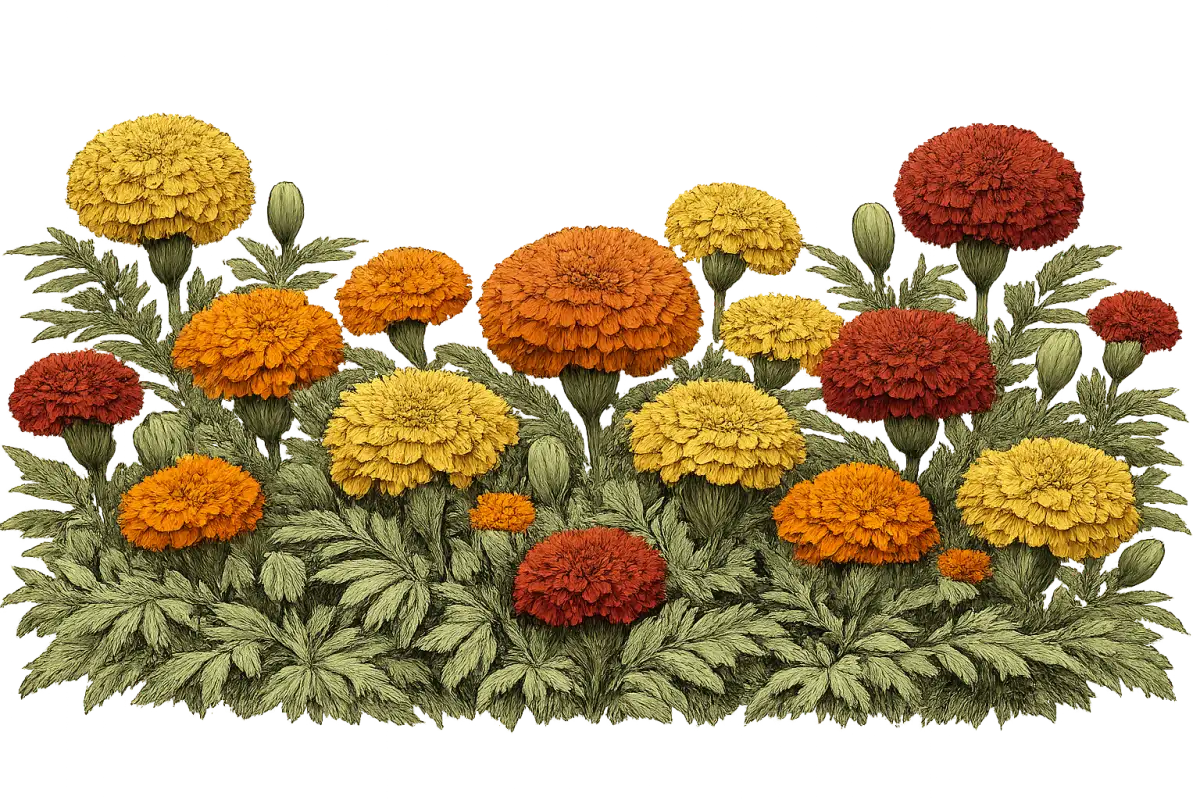
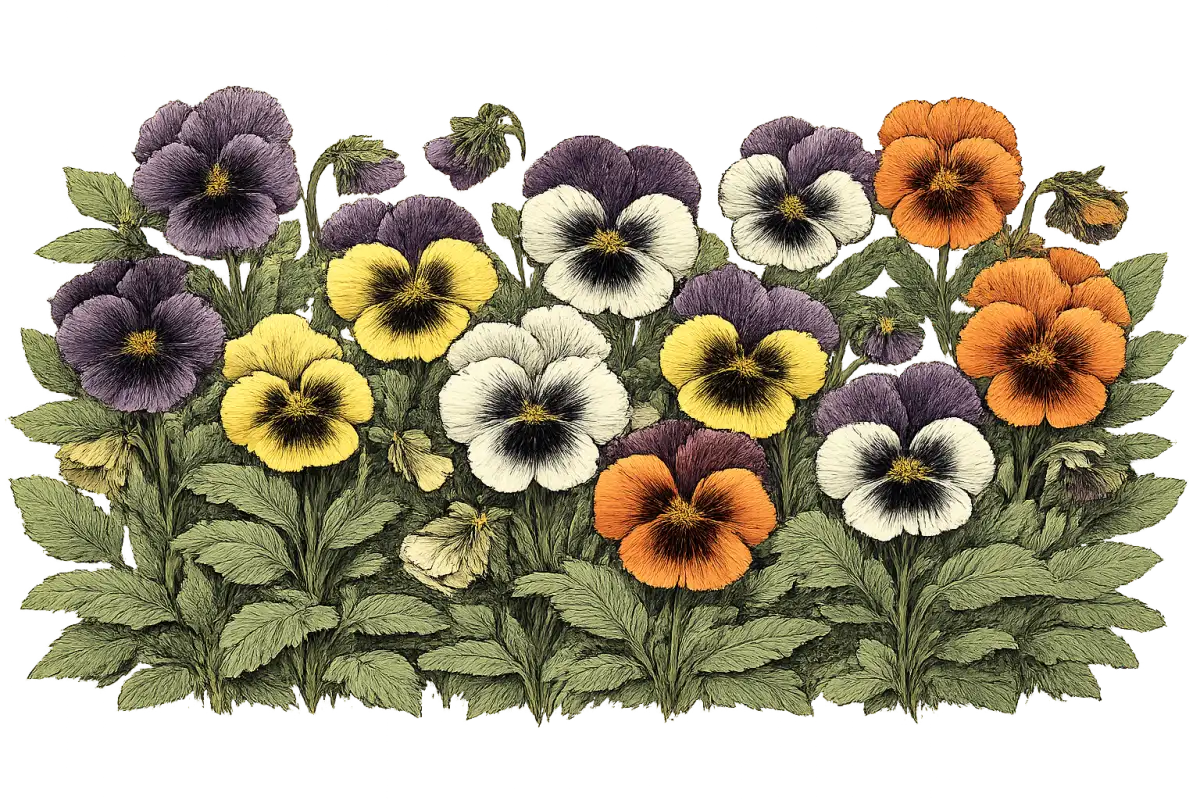
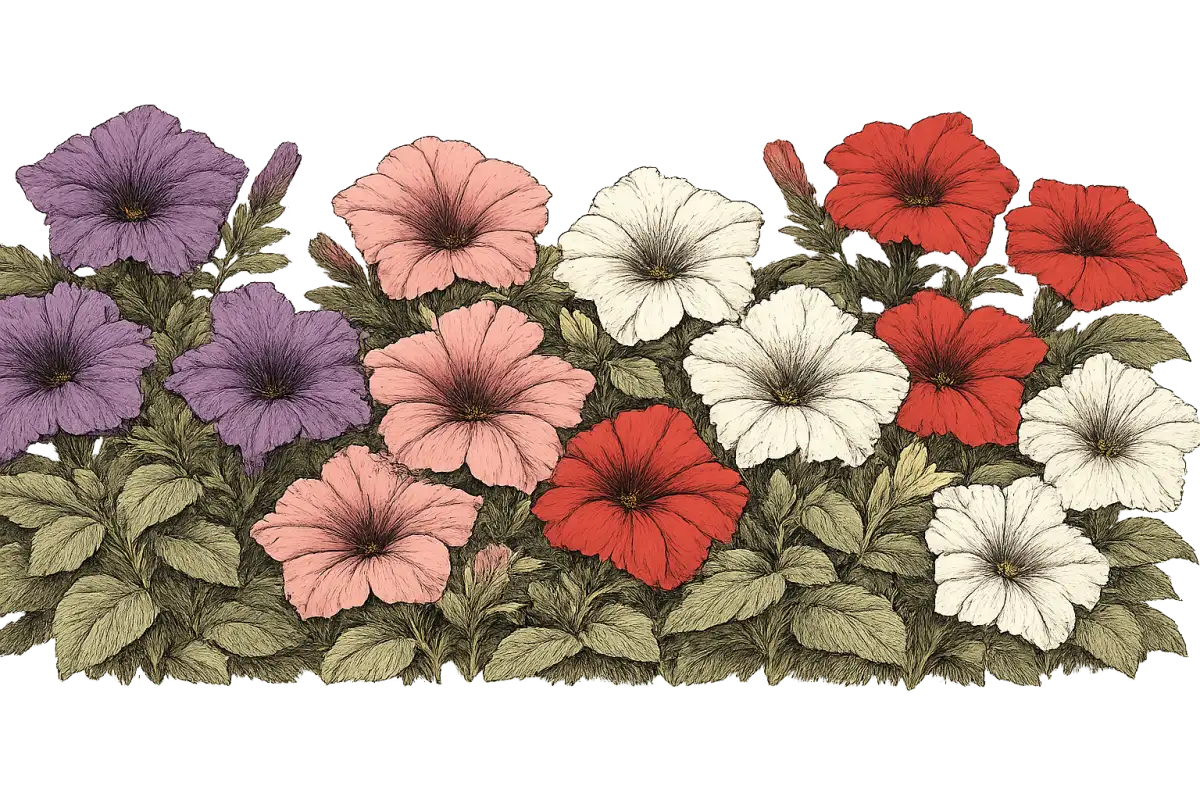
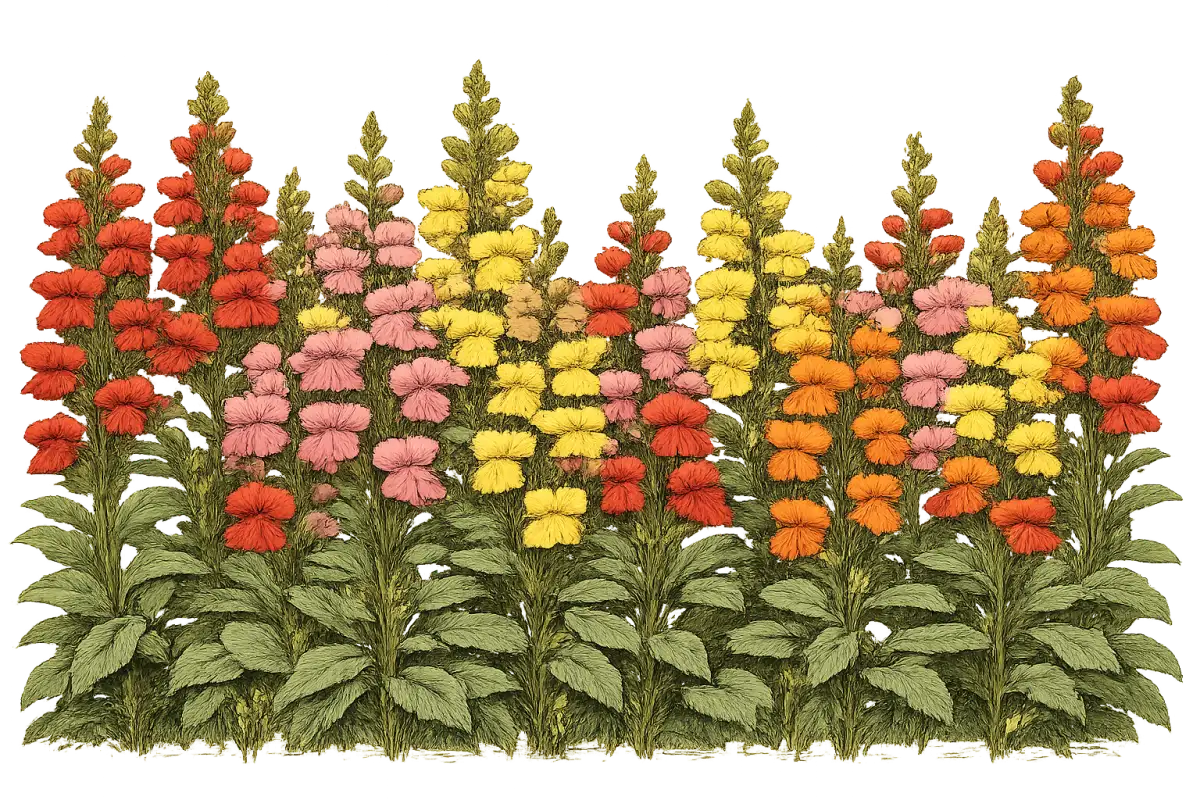
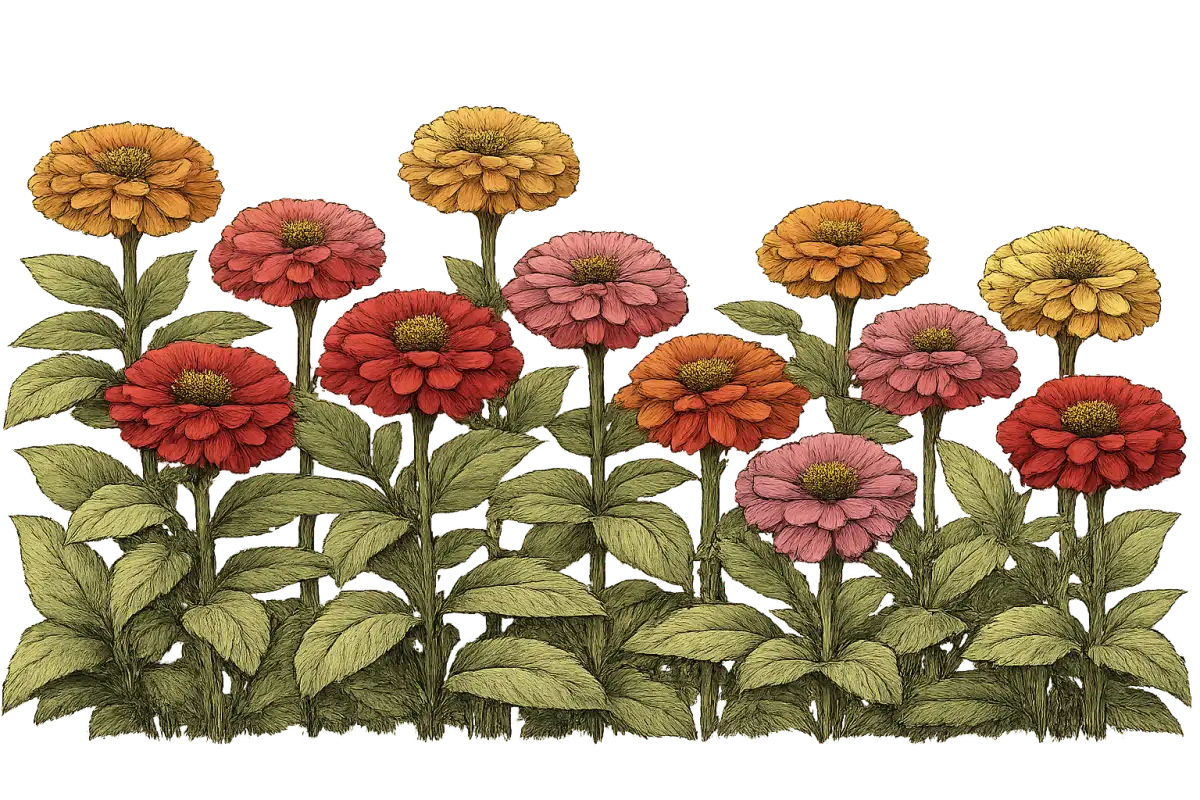
Zone 9's flower palette is dominated by tropical and subtropical plants. Bougainvillea, plumeria, hibiscus, and hardy tropicals become landscape staples. Crepe myrtles bloom all summer. Annual flowers need to be chosen for heat tolerance — zinnias, marigolds, and vinca are reliable; pansies and violas work in winter. Spring bulbs mostly don't work — tulips need pre-chilling and even then are often grown as annuals. Roses thrive with heat-tolerant varieties and become year-round bloomers.
Worth trying (rating 3 — possible but challenging):




Best Shrubs for Zone 9
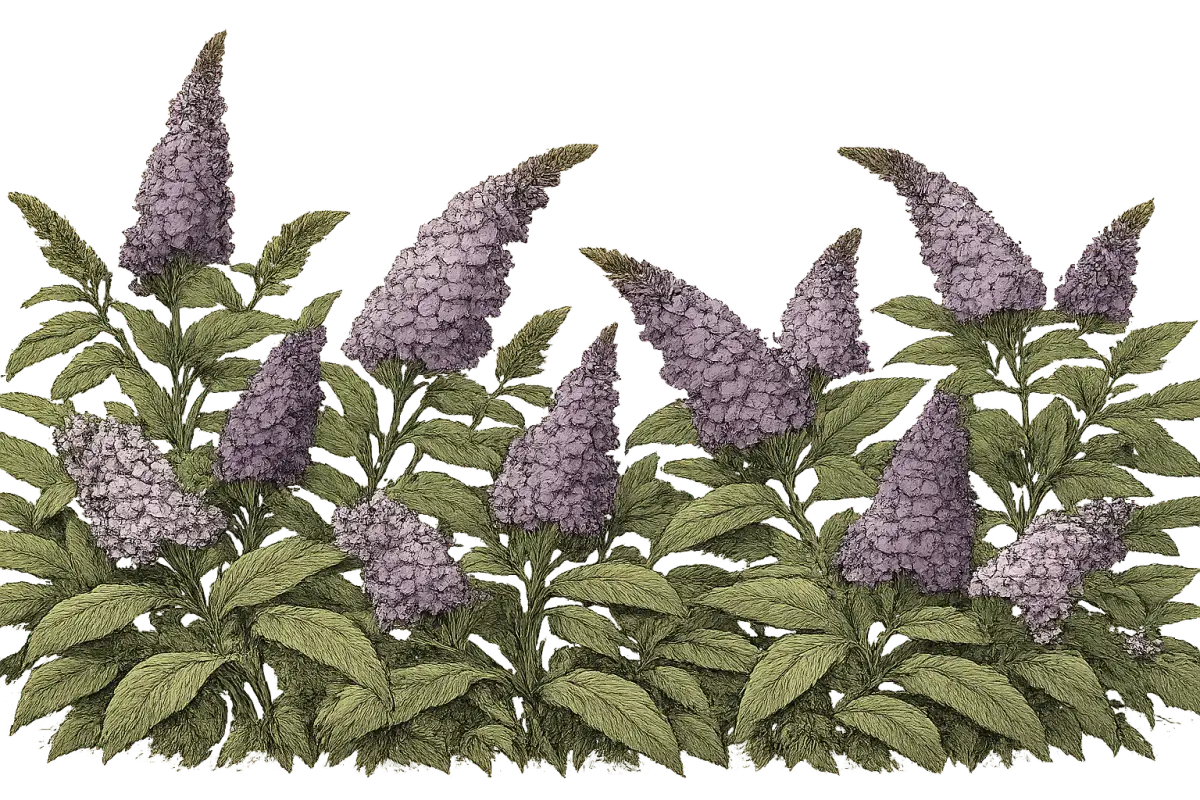
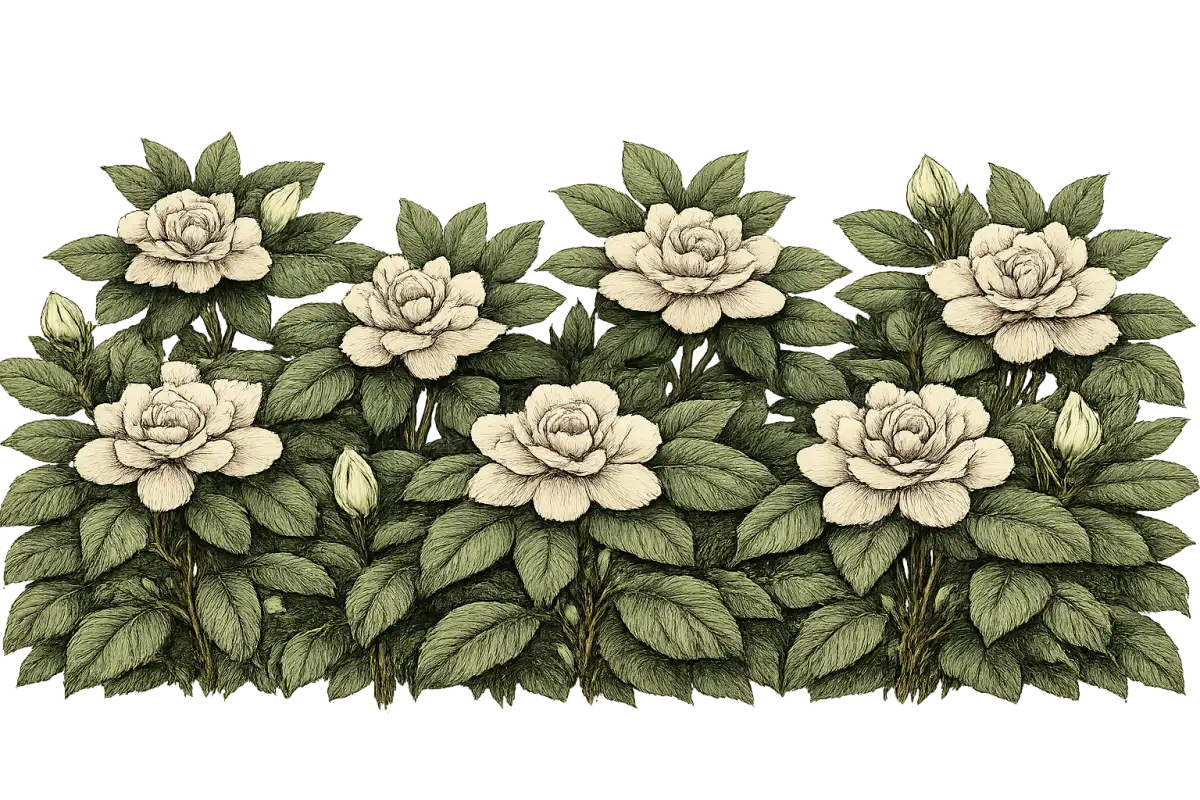
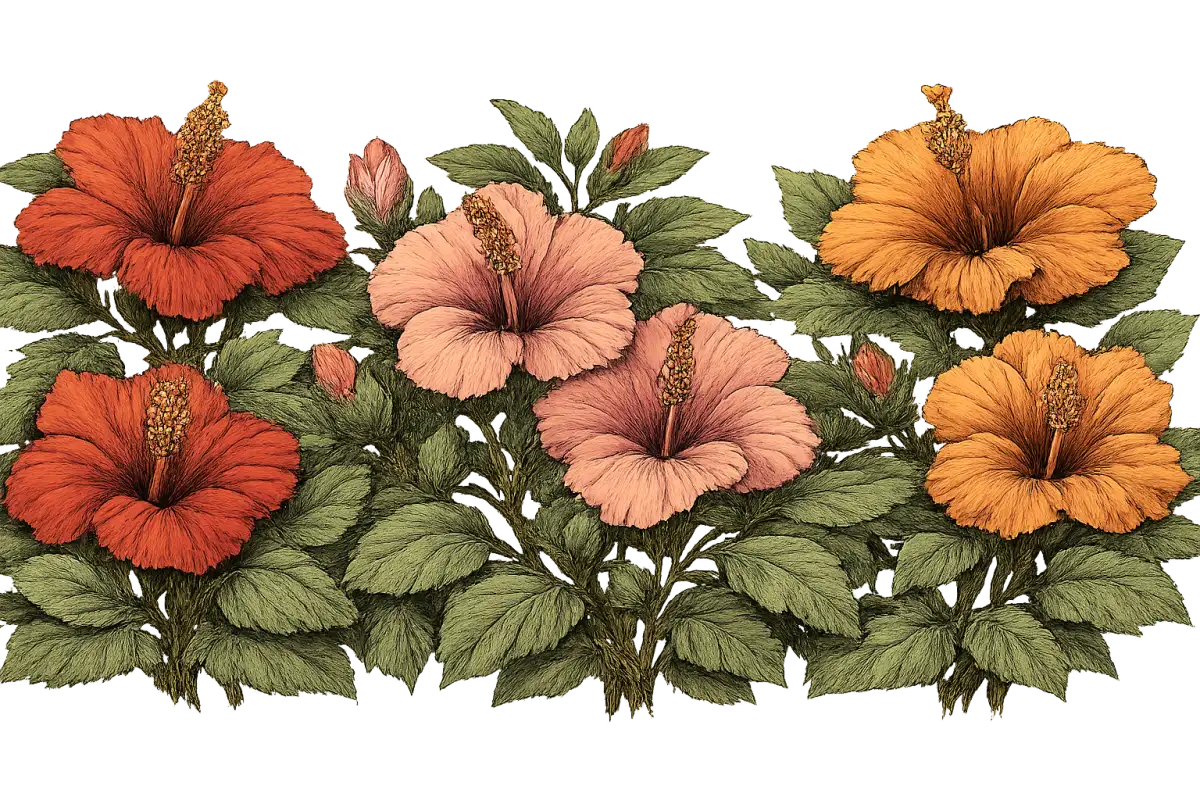
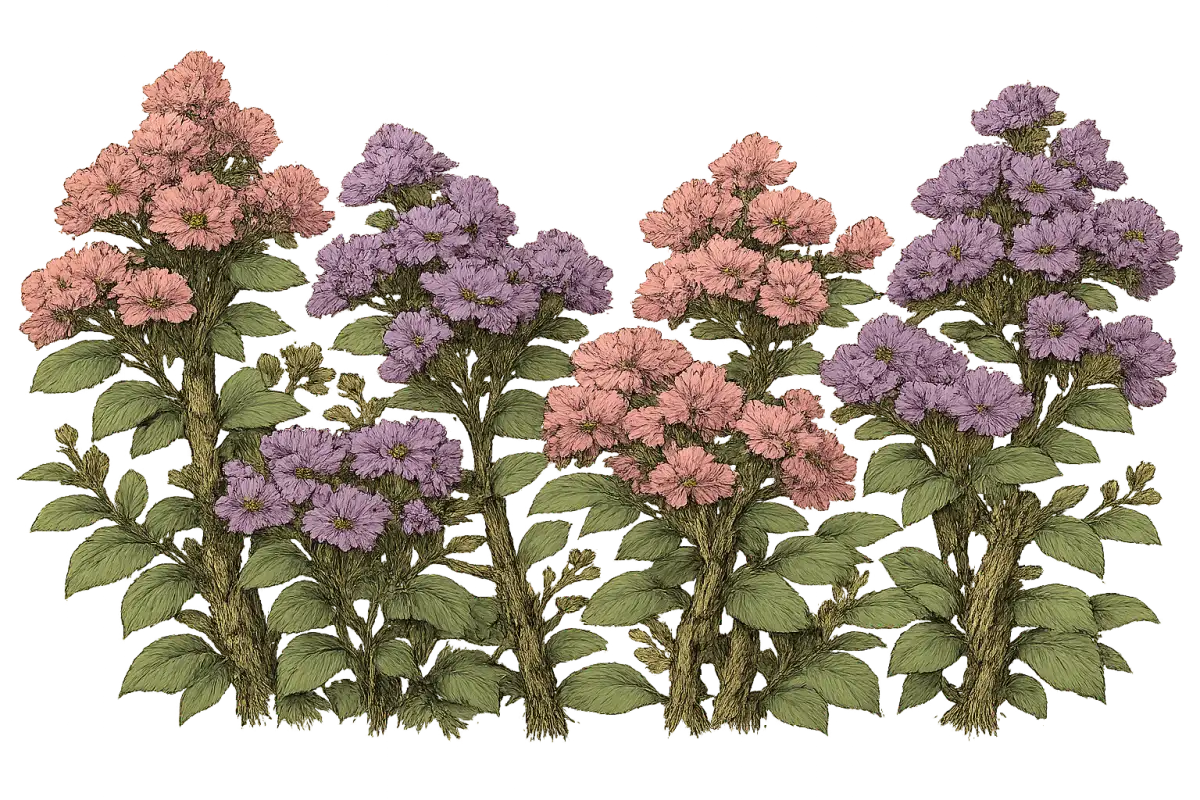
Zone 9 shrub gardens look nothing like northern ones. Hibiscus, oleander, bougainvillea, and bird of paradise are landscape staples. Gardenias and camellias are iconic southern shrubs that thrive. Tropical-looking plants like plumbago, firebush, and Mexican heather work well. Hydrangeas work but need significant afternoon shade and consistent moisture. Traditional cold-hardy shrubs (lilacs, forsythia, traditional hydrangeas in full sun) generally don't thrive.
Worth trying (rating 3 — possible but challenging):


Best Perennials for Zone 9
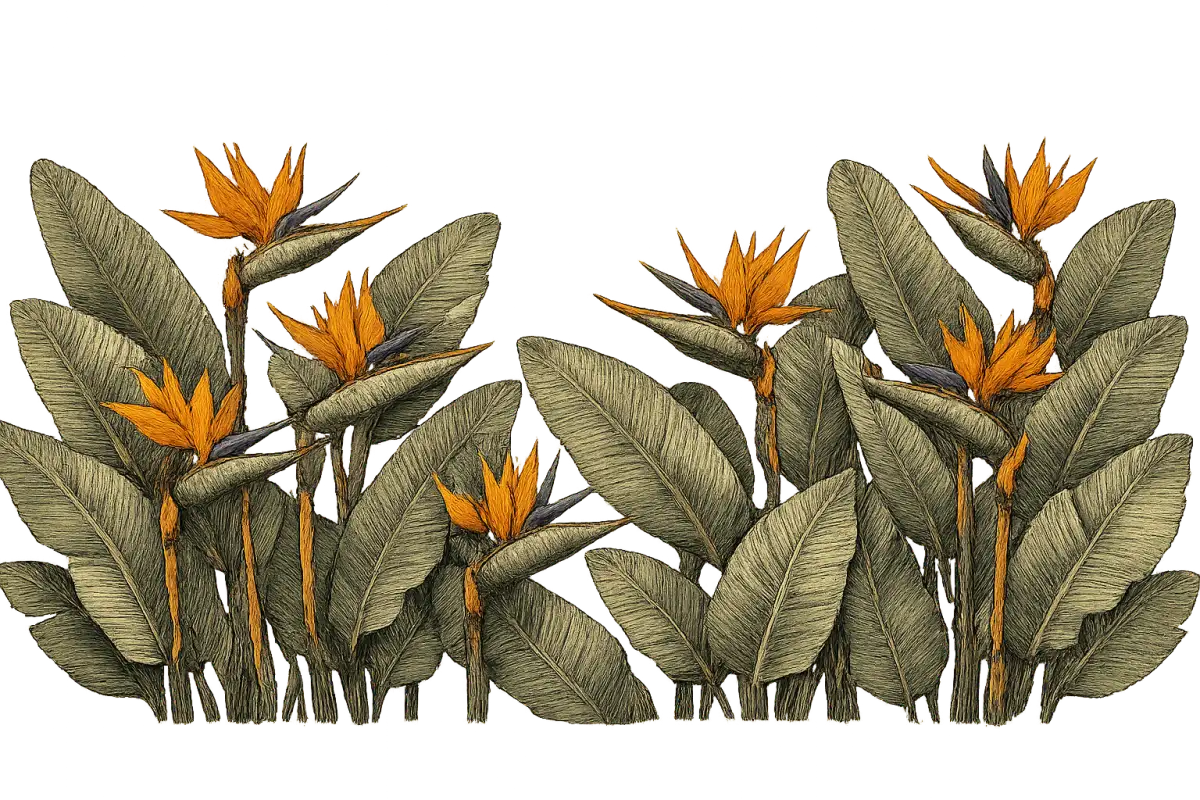
Zone 9 perennials skew tropical. Cannas, gingers, bird of paradise, and many plants that are houseplants in colder zones become landscape perennials here. Hardy bananas, elephant ears, and tropical-looking plants dominate the aesthetic. Traditional cold-climate perennials (peonies, bleeding hearts, hostas, delphiniums) either fail entirely or require special handling and generally underperform.
Worth trying (rating 3 — possible but challenging):

Best Vines for Zone 9
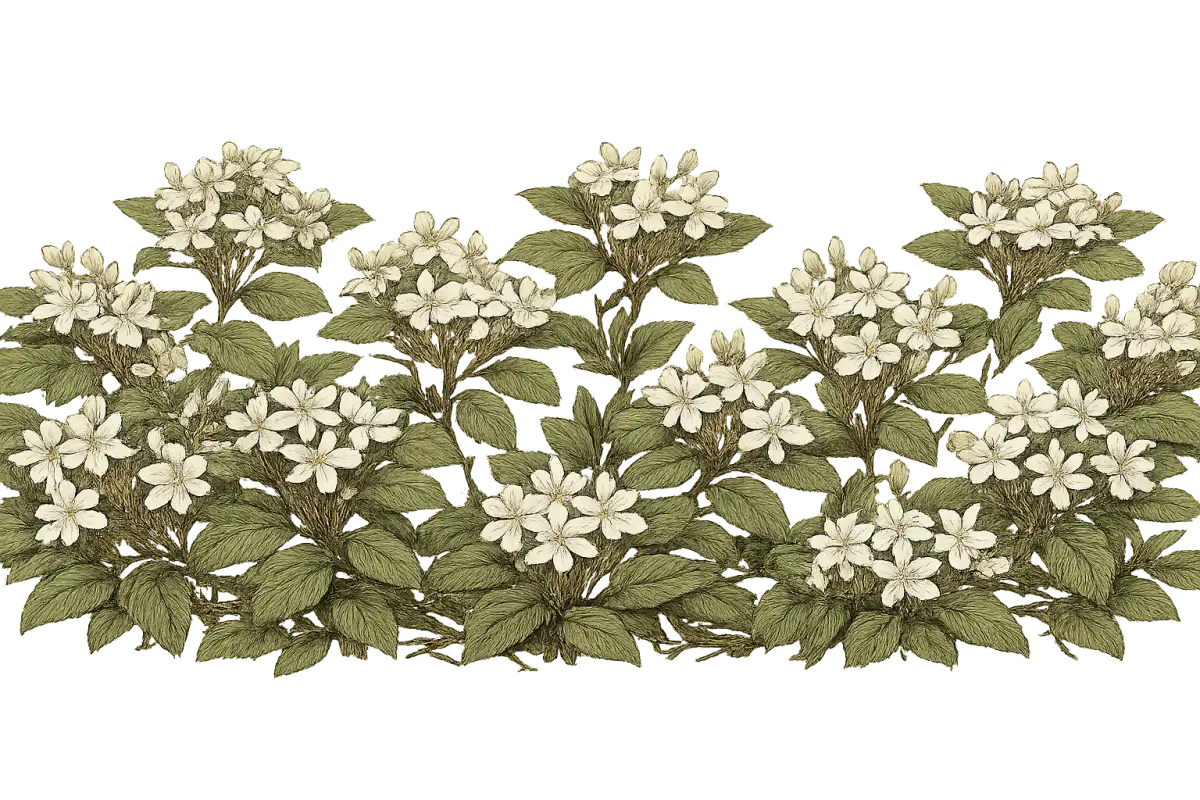
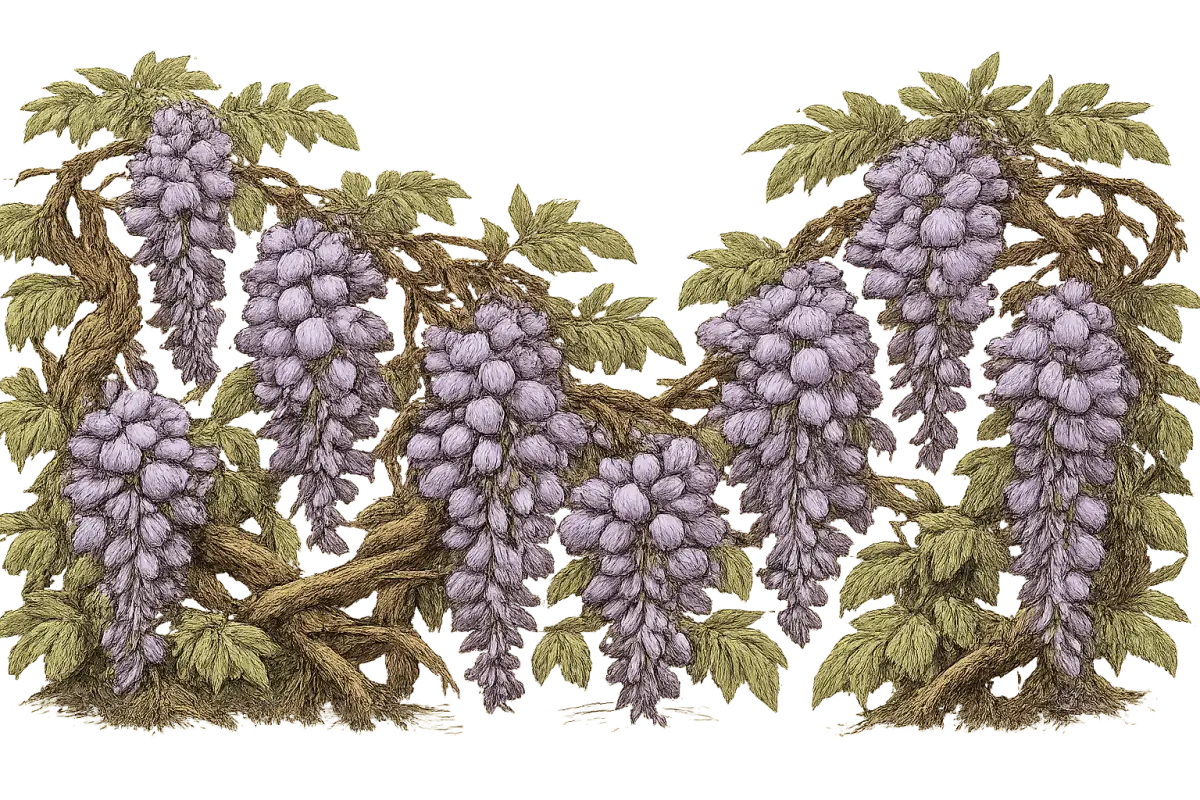
Zone 9 vines get vigorous — sometimes aggressive. Bougainvillea sprawls across walls and pergolas. Passion vines bloom year-round. Mandevilla, thunbergia, and tropical climbers work as perennials here. Native vines like trumpet vine and cross vine are reliable. Jasmines of many types grow abundantly. The challenge is often controlling growth rather than encouraging it.

Worth trying (rating 3 — possible but challenging):
Best Trees for Zone 9
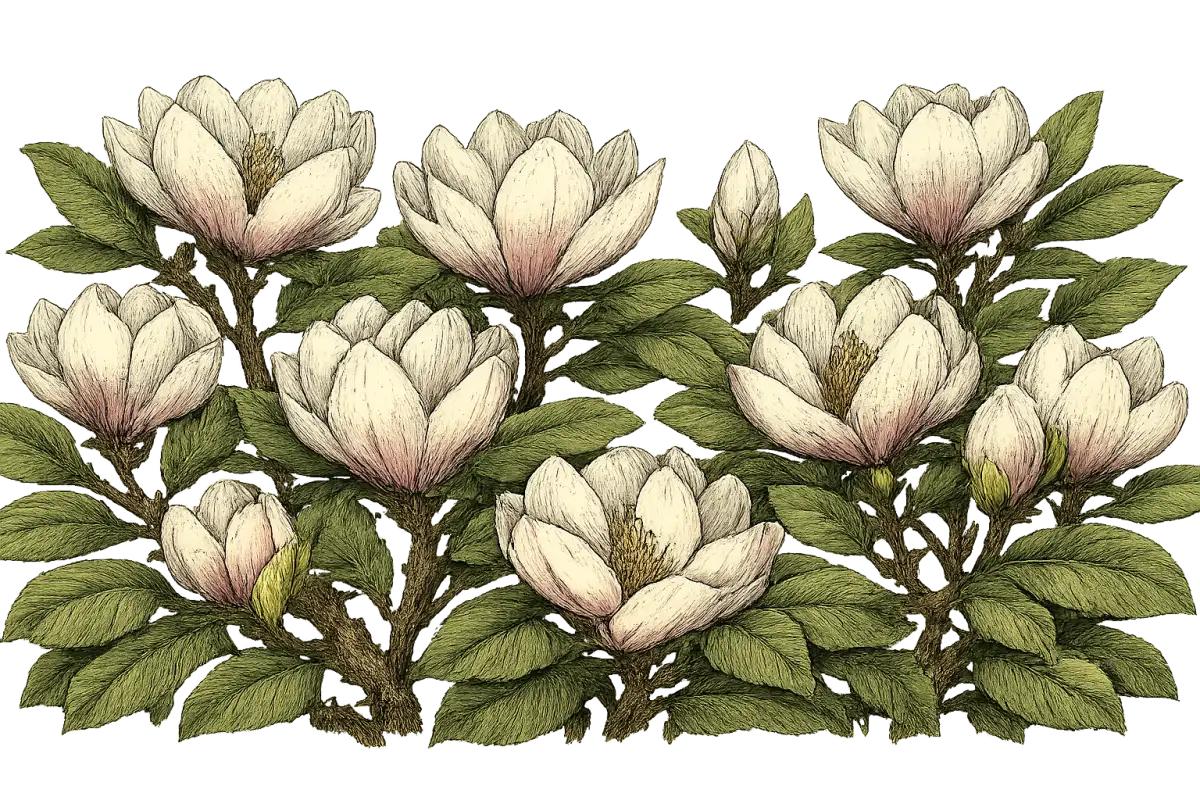
Zone 9 trees include both traditional southern species and tropical-adapted ones. Live oaks dominate the Southeast landscape. Southern magnolias thrive. Cypress trees work in wet areas. Tropical fruit trees become realistic: avocados (in 9b+), mangos (in 9b+ protected sites), loquats, citrus of all kinds. Palms of many kinds thrive — this is where palm trees really become landscape plants, from windmill palms to sabal palms to the true tropicals in 9b.
Worth trying (rating 3 — possible but challenging):
Season Tips for Zone 9
Plan your main gardening seasons around the heat, not around winter cold. In Florida and Gulf Coast Zone 9, the peak gardening season runs October through May. Summer is for heat-tolerant plants only and much of the garden goes dormant or needs babysitting.
In dry Zone 9 (Arizona, interior California), water management is everything. Drip irrigation, heavy mulching, and plant choices matched to your water situation make the difference between thriving and surviving. Learn your local water restrictions before planting water-hungry species.
Microclimates in Zone 9
In Zone 9, microclimates matter most for protecting tropical plants from occasional cold snaps and creating cooler spots for heat-sensitive plants. A south-facing wall can protect marginally hardy tropicals (certain citrus, some avocados) from winter freezes. North-facing exposures and areas with afternoon shade become refuges for plants that can't handle full summer sun. In humid Zone 9, air circulation becomes critical for disease prevention — dense plantings in stagnant air are disease magnets.
Common Mistakes Zone 9 Gardeners Make
1. Trying to grow cold-climate plants
Traditional apples, peonies, lilacs, and other plants that need winter chill simply don't work in Zone 9. They either fail entirely or underperform dramatically. Choose subtropical alternatives instead of fighting the climate.
2. Planting tomatoes in summer
Most tomato varieties stop setting fruit when nights stay above 75°F — which is much of Zone 9 summer. Plant tomatoes in late winter for spring harvest, then again in fall for a winter crop. Summer tomatoes are a losing battle for most varieties.
3. Ignoring disease pressure in humid Zone 9
Florida and Gulf Coast summers are warm, wet, and humid — perfect fungal disease weather. Choose disease-resistant varieties, ensure good air circulation, and accept that some plants just won't work here without constant intervention.
4. Underestimating water needs in dry Zone 9
Arizona and interior California Zone 9 summers are brutally dry. Plants that would need 'moderate water' in the east need much more here. Drip irrigation and mulching aren't optional — they're essential for most non-native plants.
Zone 9 FAQ
Can I grow avocados in Zone 9?
Yes in 9b, marginally in 9a. Cold-hardy Mexican-race varieties like 'Mexicola', 'Bacon', 'Stewart', and 'Fuerte' can survive Zone 9 winters, especially in protected sites. They can tolerate temperatures down to about 20-25°F. Guatemalan and West Indian race varieties are not reliable in Zone 9. Plant in a sheltered location and be prepared to protect during hard freezes.
Do apples work in Zone 9?
Only low-chill varieties, and even those are marginal. Traditional apples need 800-1,000+ chill hours (below 45°F) to set flower buds, and Zone 9 rarely provides that. Low-chill varieties like 'Anna', 'Dorsett Golden', and 'Tropic Sweet' need only 150-300 chill hours and can work in warmer parts of Zone 9. Expect reduced fruit quality compared to traditional apple zones.
When should I plant cool-season vegetables in Zone 9?
Fall through winter. Plant cool-season crops (broccoli, cabbage, lettuce, spinach, peas) in October-November for winter harvest. Many cool-season crops can be planted continuously from October through February in warmer parts of Zone 9. Summer is too hot for most cool-season crops.
Can I grow roses in Zone 9?
Yes, abundantly. Zone 9 is excellent rose country with a year-round blooming season. Choose heat-tolerant varieties and disease-resistant types, especially in humid areas. Provide afternoon shade for the hottest part of the summer and adequate water. Earth-kind roses, shrub roses, and many hybrid teas all work. Pruning timing shifts from cold-climate norms — many Zone 9 rosarians prune in late winter (January-February) rather than early spring.