When to Pick
Harvest basil in the morning, after the dew has dried but before the heat of the day. This timing is not arbitrary. According to NC State Extension, as heat from the sun increases, essential oils drain back into the stem and roots of the plant. Morning harvest captures the highest concentration of flavor compounds in the leaves. The difference between a morning harvest and a mid-afternoon harvest is measurable in aroma and taste, especially on a hot day.
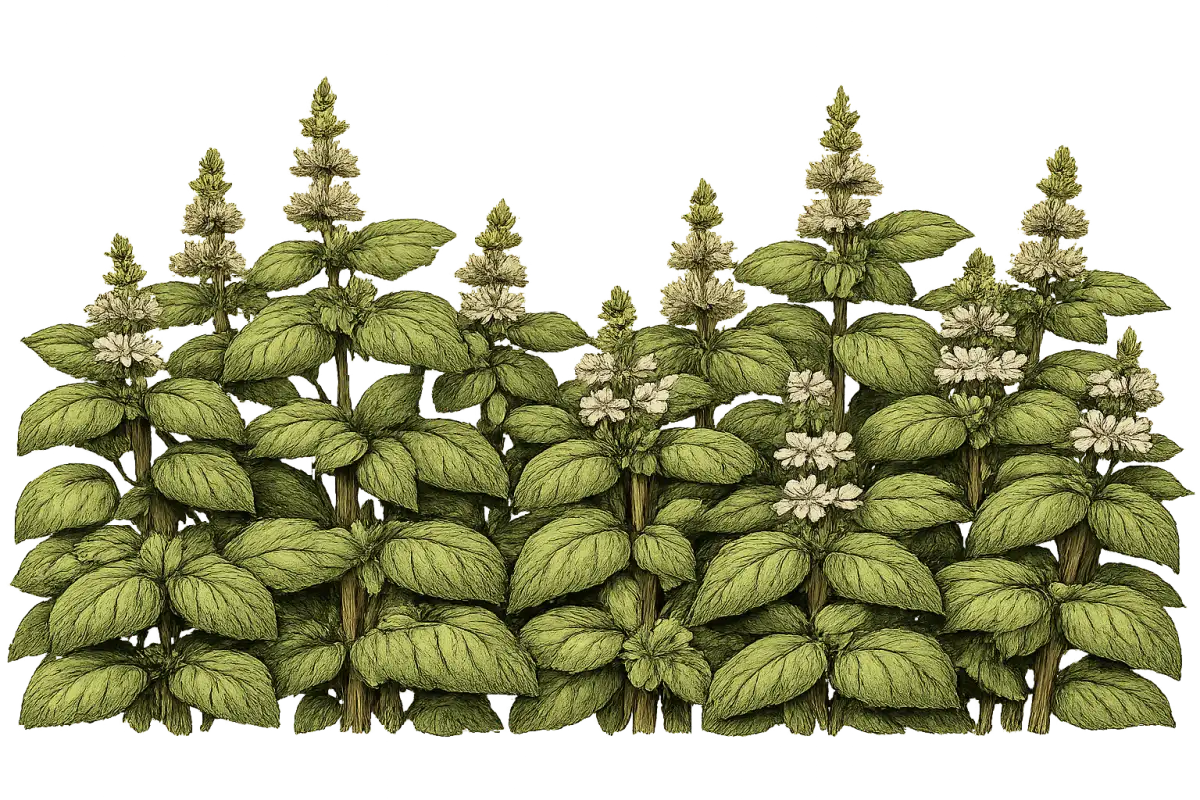
Harvest before the plant flowers. This is the most important harvesting principle. Once flower buds form and open, the leaves become smaller and develop a bitter edge. Pick frequently — do not wait until you need a large batch. Frequent harvesting keeps the plant in vegetative mode and delays bolting.
You can harvest up to 75% of the current season's growth at one time according to the University of Minnesota Extension. This sounds alarming but is accurate. Basil responds well to aggressive harvesting if you cut correctly — just above leaf nodes, never bare stem. The plant will bounce back within a week in warm conditions.
How to Harvest
Cut stems just above a leaf node — the same technique as pinching. Never strip individual leaves from the bottom of the plant while leaving the tops intact. That produces a bare-legged plant with a tuft at the top, which is both ugly and less productive than cutting properly.
For peak flavor, harvest before the plant flowers — ideally when flower buds are just forming but haven't opened. This is the point at which essential oils are most concentrated, according to the harvesting source. If you miss this and the plant has already flowered, cut off the flower stalks and harvest what you can, then prune back up to a third of the plant to stimulate new growth.
Basil flowers are edible and pleasant — mild basil flavor, visually attractive. If you want to use them, harvest them. Just know that once the plant is in full flower mode, leaf production is declining.
Storing Fresh Basil
Do not refrigerate fresh basil. Cold damages the leaves and causes rapid blackening. Store cut basil stems in a glass of water at room temperature, like cut flowers, on the counter. It will stay fresh for several days this way.
If you have more basil than you can use fresh, freeze it. Basil is the exception among herbs — it loses significant flavor when dried but freezes exceptionally well. The options according to the harvesting source:
- Ice cube trays with olive oil: Chop basil, pack into ice cube compartments, cover with olive oil, freeze solid, transfer to freezer bags. Drop cubes directly into sauces and soups.
- Pesto: Make pesto and freeze in portions. The olive oil and Parmesan protect the basil and it keeps for months.
- Flash-frozen whole leaves: Spread leaves in a single layer on a baking sheet, freeze until solid, transfer to bags. Works for cooking applications where texture doesn't matter.
Frozen basil maintains quality for 6 months to a year. Dried basil is a pale substitute for the real thing — the drying process drives off most of the volatile compounds that make basil taste like basil. If you are going to preserve it, freeze it.
The Bolting Timeline (And How to Extend It)
Bolting is the terminal event in basil's season. Understanding exactly what triggers it gives you meaningful control over how long your harvest lasts.
The primary triggers: Heat above 80°F begins the process. Temperatures above 85°F accelerate it significantly. Long days — 14+ hours of daylight — signal the plant to shift into reproductive mode. Inconsistent watering, poor soil, overcrowding, and simple plant maturity all contribute. The mechanism is evolutionary: basil is an annual, and an annual's job is to reproduce before conditions deteriorate. It is doing exactly what it is designed to do.
The early warning signs: Watch for rapid upward stem elongation, changes in leaf shape (leaves become smaller and pointier), and the formation of a central spike at the top of the stem. This is the flower stalk. Cut it off the moment you see it.
The bolting sequence once it starts: Rapid upward growth → central flower stalk formation → small flowers open → seeds form → plant declines. You want to interrupt this at the first step, every time.
Your tools for delaying bolting:
1. Pinch aggressively and regularly. This is the most effective single intervention. Removing the growing tip redirects energy and prevents the flower stalk from elongating.
2. Choose bolt-resistant varieties. Everleaf Genovese and Amazel Basil were specifically bred for this. Thai Basil has natural heat tolerance and bolt resistance that sweet Italian types lack.
3. Provide midday shade in extreme heat. When temperatures regularly exceed 85°F, a few hours of afternoon shade can meaningfully delay bolting. Row covers work for this purpose.
4. Maintain consistent soil moisture. Drought stress is a bolting trigger. Mulching helps.
5. Succession plant. Start new plants every 3-4 weeks, especially with Lemon Basil or Purple Basil, which bolt faster than Genovese types. When the first planting bolts, the next one is coming into peak production.
In zones 8-10 with long, hot summers, succession planting is not optional — it is the only way to maintain continuous basil production through the full growing season. In cooler zones with shorter summers, a single planting of Genovese, managed with regular pinching, can produce from late spring through first frost.
Growing Basil in Containers
Container basil is arguably more practical than in-ground basil for most home gardeners. You control the soil. You control the drainage. You can move the pot to follow the sun or bring it inside before a late frost. The trade-offs are more frequent watering and more frequent fertilizing, both of which are manageable.
Pot selection: The minimum useful size for basil is 8 inches deep and 8 inches wide. The preferred size is 18 inches deep — more root volume means more moisture retention and more stable root temperature. Terra cotta pots are a good choice: the porous material allows excess moisture to evaporate, reducing the risk of root rot. Plastic pots work but retain moisture longer, which can be either an advantage (less frequent watering) or a risk (increased root rot potential) depending on how carefully you water.
Non-negotiable: drainage holes. A pot without drainage holes will eventually drown your basil. If you fall in love with a decorative container without drainage, put a nursery pot with holes inside it and use the decorative one as a cachepot.
Soil: Standard quality potting mix with added compost. Do not use garden soil in containers — it compacts, drains poorly, and often introduces disease. The container source material recommends a moisture-retaining mix (standard potting mix plus compost) for basil and other moisture-loving herbs, as distinct from the sharply-draining mixes used for rosemary and thyme.
Compatible container companions: Basil, parsley, and chives have similar water and light needs and grow well together in an 18-inch or larger container. This is the "moisture-loving herb" grouping from the container growing source. Do not mix basil with the Mediterranean herb group (rosemary, thyme, oregano, sage) — they need to dry out between waterings while basil needs consistent moisture. One set of watering needs has to lose.
Never put basil with mint. Mint needs its own container regardless of what it is sharing with. Its aggressive root system will crowd out anything planted alongside it.
Bringing containers in: In zones 3-7, you can extend your basil season by bringing the container inside before the first frost. Basil will not survive outdoors below 50°F at night, but a container plant brought inside can continue producing for several more weeks if given adequate light. This is a better investment of effort with a good-sized plant you've been managing all season than with a struggling specimen.
The Tomato-Basil Companion Planting Fact Everyone Gets Half Right
Basil and tomatoes are planted together by almost every gardener who grows both. The claim is that basil improves tomato flavor and repels pests. The flavor claim is largely anecdotal. The pest claim has actual research behind it.
According to the companion planting source, which draws on published research: "Research has shown that rows of tall basil around tomatoes can reduce the number of tomato hornworms." Basil repels tomato hornworms, thrips, flies, mosquitoes, carrot fly, asparagus beetles, and whiteflies through the aromatic compounds in its foliage. This is not gardening mythology. There is documented evidence for the hornworm reduction in particular.
The catch that most people miss: quantity matters. A single basil plant in a corner of a large tomato bed does approximately nothing for pest pressure. The research involves rows or rings of basil surrounding the plants you want to protect. The scent-masking mechanism requires enough aromatic material to meaningfully confuse pests looking for their host plants. Plant basil in quantity around your tomatoes — not as a token gesture.
What Else to Plant Basil With
Beyond tomatoes, basil is a useful companion for peppers, eggplant, cucumbers, lettuce, and spinach. Its pest-repelling properties extend to all of these crops to varying degrees.
What to Keep Away From Basil
Basil does not have many incompatibilities, but a few are worth noting. Do not plant basil near sage — the two allegedly inhibit each other's growth, though the evidence here is more anecdotal. Fennel is generally a poor companion for most vegetables and herbs and is best grown separately. Beyond those, basil is an accommodating neighbor.
Basil Diseases and Pests: The Short List
Basil does not attract the diversity of pests that plague nightshades or brassicas. But there are a few problems worth knowing before they cost you a season.
Downy Mildew
This is the disease that matters most for basil growers. Caused by the water mold Peronospora belbahrii, downy mildew produces yellow patches on the upper leaf surface with fuzzy gray-purple sporulation on the undersides. It spreads rapidly in cool, wet conditions with poor air circulation. The source material describes it as "devastating" for basil — that is accurate. Once established in a planting, it moves fast.
Prevention is the only real strategy: choose resistant varieties where available, space plants generously for air circulation, avoid overhead watering, and grow in warm conditions where the pathogen is less active. If you see it, remove and destroy affected leaves immediately. Downy mildew-resistant basil varieties are being developed but are not yet widely available in retail.
Aphids
Aphids cluster on new growth and leave behind sticky honeydew that attracts sooty mold. On basil, they are usually visible with the naked eye on stem tips and the undersides of young leaves. A strong stream of water knocks them off effectively. Insecticidal soap handles persistent infestations. Since you are going to eat the leaves, keep chemical interventions to organic-approved options only.
Cutworms
Clean-cut stems at soil level, often overnight. Young transplants are most vulnerable. Handpicking cutworms at night (bring a flashlight) is effective. Physical collars around individual transplants — a cylinder of cardboard pushed an inch into the soil around each plant — prevent the problem before it starts.
Fusarium Wilt
A soil-borne fungal disease that causes sudden wilting, often affecting one branch or side of the plant while the rest looks healthy. There is no effective treatment once a plant is infected. Remove and dispose of infected plants. Do not replant basil in the same spot for at least two years. Fusarium-resistant Genovese varieties exist — worth seeking out if you have had fusarium problems in the past.
Legginess (Not a Disease, But Treated Like One)
Leggy, spindly basil with sparse leaves is always a light problem. The plant is stretching toward light it is not getting enough of. Move it to a sunnier location. For indoor plants, add grow lights running 14-16 hours per day. Pinch the top to encourage branching. Bury the stem deeper if transplanting a leggy seedling — basil develops roots along buried stem sections.
Mistakes That Shorten the Basil Season
Ranked by how often we see them cause problems.
Mistake #1: Planting Too Early
Cold-damaged transplants never fully recover. The cellular damage from temperatures below 50°F sets the plant back weeks, if it survives at all. Wait. The extra week of patience in late May is worth more than the two weeks you think you are gaining by planting early.
Mistake #2: Not Pinching
An unpinched basil plant bolts faster, produces less leaf material, and grows into an ugly, leggy column. Pinching is not optional maintenance. It is the fundamental management technique for this plant. Start at 6 inches tall and do it every one to two weeks. Never let the plant get ahead of you.
Mistake #3: Letting Flowers Open
The moment basil flowers open, the flavor quality of leaves declines. It does not happen gradually — it happens fast. Monitor plants daily during hot weather in midsummer, when bolting can occur in days. Cut flower stalks as soon as they are visible.
Mistake #4: Overhead Watering
Keeping basil leaves wet promotes downy mildew and washes off essential oils. Water at the base. Use a watering can with a narrow spout or drip irrigation if you have it. Morning watering is better than evening — any splash on leaves dries faster.
Mistake #5: Over-Fertilizing with Synthetic Nitrogen
Covered in the feeding section, but worth repeating here: the most common fertilization mistake with basil (and herbs generally) is treating them like vegetables. Vegetables benefit from heavy nitrogen. Basil does not. Over-fertilized basil grows fast and tastes like nothing. Use organic fertilizers at conservative rates. Your nose will tell you when you get it right.
Mistake #6: Refrigerating Fresh Basil
Cold temperatures blacken basil leaves within hours. Store cut basil in water at room temperature. This is the opposite of what you do with most produce, and it trips people up constantly.
Frequently Asked Questions
Can I Grow Basil Indoors Year-Round?
Yes, with the right setup. Basil needs 6-8 hours of direct sunlight, which a south-facing window can provide in summer but almost certainly cannot provide in winter. If you want winter basil, plan for grow lights running 14-16 hours per day. Keep the room warm — consistently above 65°F during the day. Basil is intolerant of cold drafts, cold windows, and temperature fluctuations. A dedicated grow light setup in a warm room produces excellent results. A windowsill in a drafty house in January produces disappointment.
How Do I Know When My Basil Is About to Bolt?
Watch for rapid upward stem elongation — the plant is suddenly growing taller than outward. Watch for leaf size reduction at the top of the plant; leaves become smaller and more pointed as the plant approaches flowering. Watch for the central flower spike — a tighter, more vertical shoot at the apex of the main stem. When you see any of these signs, cut back immediately. Catch it at stem elongation and you may delay bolting by another week or two. Wait until the flower spike appears and you are already late.
Why Does My Basil Taste Bland?
Three possible causes in order of likelihood: insufficient light, over-fertilization, or too much water. Basil in less than six hours of sun will grow but produce fewer essential oils. Basil fed with synthetic high-nitrogen fertilizer grows rapidly but the cells contain diluted flavor compounds. Basil that is consistently overwatered has its essential oils further diluted. The fix is the same in all three cases: more sun, less fertilizer, drier conditions between waterings. A slightly stressed basil plant in lean soil with maximum sun exposure produces the most intensely flavored leaves.
Is Dried Basil Worth Storing?
Not really. Drying drives off the volatile compounds responsible for basil's flavor and aroma. What remains is a greenish powder that vaguely resembles basil. It has its uses in cooked applications where you need a flavor approximation, but it is not a substitute for fresh or properly frozen basil. If you want to preserve your harvest, freeze it — ice cubes in olive oil, pesto portions, or flash-frozen whole leaves. Frozen basil retains far more of the real flavor than dried.
What Should I Do at the End of the Season?
Basil is a frost-sensitive annual. Once nighttime temperatures drop consistently below 50°F, the plant's days are numbered. Your options: harvest everything in a final large cut before the first frost arrives, process it into pesto or olive oil cubes, and freeze. Save seed from any plants that bolted — basil seeds from non-hybrid varieties are viable and will germinate next season. If you have container plants, bring them inside and continue harvesting until the indoor conditions can no longer support them. Do not try to overwinter basil as a perennial in any zone where frost occurs — it will not survive.
How Many Plants Do I Need?
For a household that uses basil regularly — pesto a few times a season, caprese salads, pasta sauces — two to three Genovese plants managed with regular pinching will produce more than enough. One plant, pinched correctly, produces surprising volume. If you want to freeze significant quantities of pesto, plant four to six. If you are succession planting Lemon Basil or Purple Basil alongside your main Genovese planting, add one or two plants of each. The answer is always: more than you think, fewer than you will plant.
The Short Version
Basil rewards attention and punishes neglect. The gardeners who get the most out of it are the ones who check it every few days, pinch it before it gets ahead of them, water at the base rather than overhead, and harvest in the morning when the oils are up. None of this is complicated. It just requires the habit.
The plants themselves are cheap and fast-growing. If you kill one through cold damage or over-fertilizing or letting it bolt, you start over with another and you do not make the same mistake twice. Basil does not hold grudges. Get the temperature timing right, pick the right variety for your climate, pinch aggressively, and you will have more leaves than you know what to do with from June through September.
That is the goal. More basil than you know what to do with. Make a lot of pesto. Freeze some. Give some away. The plants cost two dollars. The lessons are free.
 Where to Plant