Fruits

How to Grow an Olive Tree That Actually Fruits (And What to Do When It Does)

Sarah Whitfield

Sarah Whitfield

Fruit & Berry Specialist · Updated April 2026

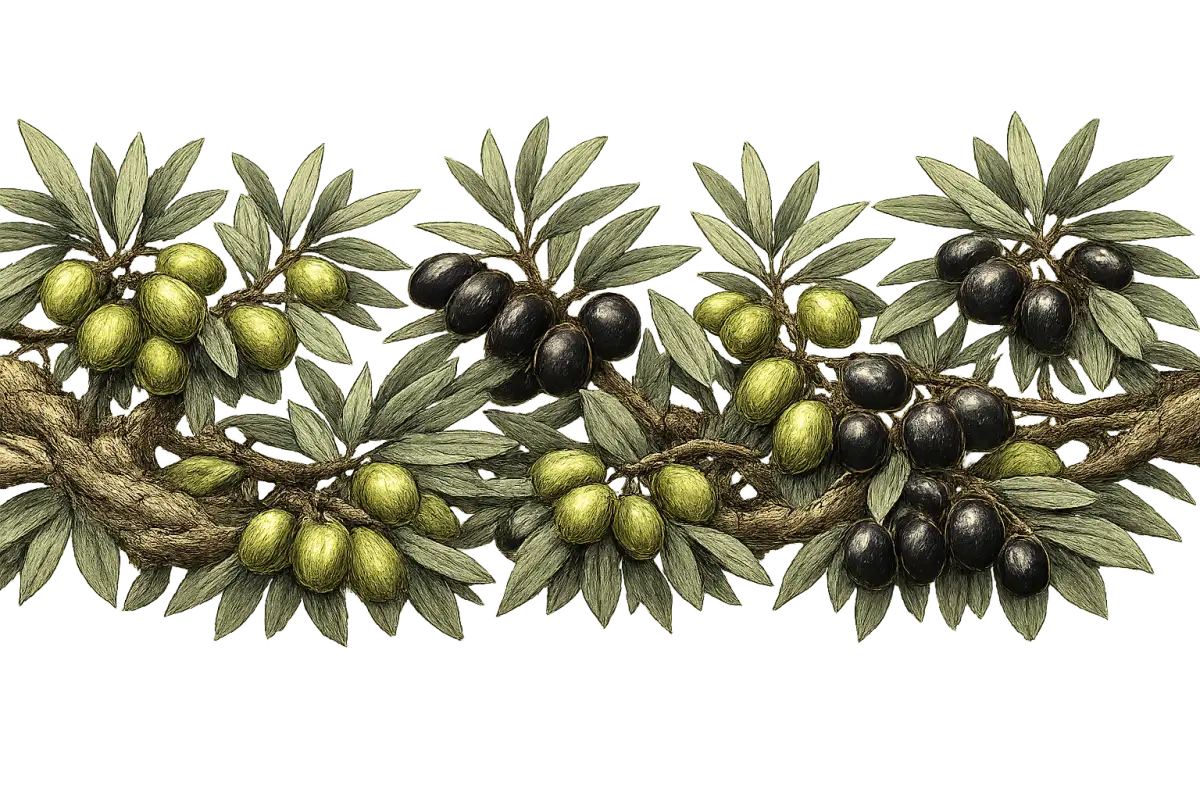
How to grow olive tree — vintage botanical illustration showing the plant in detail

Olive Tree at a Glance

Sun

Sun

8+ hours full sun preferred, 6 hours minimum

Soil pH

Soil pH

6.0-8.0

Water

Water

Established trees: deep soak every 3-4 weeks

Spacing

Spacing

20-25 ft

Days to harvest

Days to Harvest

Late September through December

Height

Height

15-20 feet

Soil type

Soil

Sandy

Lifespan

Lifespan

perennial

Get your personalized growing data

Enter your zip code for frost dates, growing season, and soil type.

There is a particular kind of gardener frustration reserved for the olive tree. You planted it in a sunny spot. You watered it faithfully. You fertilized it in spring. The tree looks healthy. And then — nothing. No flowers. No fruit. Or worse, the tree slowly yellows, drops leaves, and dies in soil that looks perfectly fine.

After working through olive-growing outcomes across the country, we have identified the same pattern at the root of almost every failure: gardeners treat olive trees like other fruit trees. Like something that wants rich soil, regular water, and attentive feeding. The olive tree wants the opposite of all that. It wants thin, rocky, bone-dry soil. It wants neglect. It evolved on sun-baked Mediterranean hillsides for over 5,000 years in conditions most garden plants would not survive a single season in.

That is the central fact of olive growing that this guide is built around. The techniques that serve tomatoes, peaches, and blueberries will kill an olive tree. Once you internalize that principle — once you stop trying to provide for your olive and instead let it do what it was built to do — everything else falls into place.

The payoff, when you get it right, is remarkable. A mature olive tree is virtually indestructible. It will produce fruit for decades. It will tolerate summer drought that cracks your soil. It will give you something to eat that no store-bought jar can replicate, because the varieties best suited to home gardens are almost never grown commercially. And it will do all of this while being one of the most visually stunning trees you can put in a yard, with that distinctive silver-gray canopy that catches afternoon light like nothing else in the garden.

This guide covers everything: which variety for your zone, exactly how the soil must be set up, a watering schedule that almost every gardener will find shockingly minimal, pruning technique, how to handle pests, and — critically — what to actually do with the olives once you harvest them. That last part surprises most new growers. We will explain.


Quick Answer: Olive Tree Growing at a Glance

USDA Zones: 8-10 in-ground; any zone in containers (with overwintering)

Sun: Minimum 6 hours; 8+ hours strongly preferred for fruiting

Soil: Well-drained is non-negotiable; pH 6.0-8.0; sandy, rocky, or gravelly is ideal

Spacing: 20-25 feet for standard trees; 10-15 feet for compact varieties like Arbequina

Water (established trees): Deep soak every 3-4 weeks in dry summer — that is it

Water (year 1): Once per week to establish roots

Fertilizer: Annual spring application of balanced 10-10-10; less is more

Chill hours needed: 200-400 hours below 45F for fruit set

Pollination: Most varieties self-fertile; pair two varieties for 20-30% yield increase

First fruit: Year 2-3 for Arbequina; year 4-5 for most others

Alternate bearing: Normal — expect a heavy crop year followed by a lighter one

Can you eat them raw: Absolutely not — all olives must be cured before eating


The Drainage Problem (Why Most Olive Trees in Wet Climates Fail)

Before we talk about varieties, zones, or pruning technique, I need you to understand the soil requirement that overrides everything else in this guide.

Well-drained soil is not a preference for olive trees. It is a survival requirement.

Olive trees evolved on rocky Mediterranean hillsides in thin, dry, well-aerated soil. Their root systems are adapted to conditions where water moves through quickly and oxygen is abundant between soil particles. When those roots sit in saturated soil — even briefly after heavy rain — the root zone becomes anaerobic. Oxygen is displaced. Roots begin to suffocate. Phytophthora and related water mold organisms colonize the weakened tissue. The rot spreads from fine feeder roots to main structural roots to the crown. By the time you see yellowing leaves and unexpected leaf drop above ground, significant damage has already occurred below.

The cruel trick is that overwatering and drought stress produce almost identical symptoms: a wilting, declining tree. The instinct is to water more. If the problem is overwatering — and it usually is — more water accelerates the death. The diagnostic question is simple: does the tree recover within 48 hours of being watered? An underwatered tree will. An overwatered tree with root rot will not.

Test Before You Plant

Before committing to any planting site, run a drainage test. Dig a hole 12 inches deep and 12 inches wide. Fill it with water and let it drain completely. Refill immediately. Time the second drainage.

  • Under 1 hour: Excellent — plant without concern
  • 1-4 hours: Acceptable for olives
  • 4-8 hours: Marginal — plant on a raised mound
  • Does not drain within 8 hours: Raise a bed or choose a different site entirely

The Clay Soil Problem

Clay soil is the primary enemy of olive trees in the US, and it is common across large parts of the country — the Southeast, Midwest, Pacific Northwest, and much of the East Coast. Clay particles are so fine that they create microscopic pore spaces that hold water tenaciously and exclude oxygen from the root zone. An olive in clay soil is set up to fail no matter how carefully you water.

Your options, in order of reliability: build a raised bed at least 18 inches deep filled with imported sandy loam; build a raised mound 12-18 inches high with amended soil; or grow in containers with a well-draining mix.

One critical warning: never add sand directly to clay. This is a widespread and genuinely destructive piece of advice. Sand particles mixed into clay fill the clay's pore spaces and create a denser, harder, more poorly drained substance than either material alone — essentially concrete. If you need to improve clay drainage, use coarse organic matter (bark, coarse compost) and gravel, or go the raised-bed route.

Soil pH and Fertility

Olive trees tolerate a broader pH range than almost any other fruit tree — pH 6.0 to 8.0. They actually prefer neutral to slightly alkaline conditions, which reflects their limestone-hillside origins. Naturally alkaline soils in the Southwest and Mountain West are excellent for olives with no amendment needed. Naturally acidic soils in the Pacific Northwest may need a lime application if pH falls below 6.0.

The one caveat on the alkaline end: if pH exceeds 8.5, iron chlorosis (yellowing leaves with green veins) can develop. This is rare for olives given their tolerance, but if you are in an extremely alkaline area and see that pattern, incorporate elemental sulfur per package directions.

On soil fertility: lean soil is correct. Do not amend your planting hole with rich compost. Do not treat the olive bed like a vegetable garden. Excess nitrogen drives lush vegetative growth at the direct expense of fruit production. The olive tree you fertilize heavily will look magnificent — and produce almost nothing. The olive tree in thin, gravelly, unimproved soil will fruit reliably for decades.


Best Olive Tree Varieties by Zone

Here is where the decisions get specific, and specific is where most gardeners go wrong. Buying an olive tree without knowing which variety you are getting, and whether it matches your zone and your goals, is the second most common setup for failure after poor drainage.

There are four core fruiting varieties that account for the vast majority of home olive production in the US, plus a family of ornamental/fruitless options for gardeners who want the tree's appearance without the fruit and curing work. Let me tell you exactly which ones to plant where.

What zone are you in?

Enter your zip code for frost dates, growing season, and soil type.

Cold Zones (3-6): Container Growing Is Your Only Option

The hard truth first: no olive variety reliably survives in-ground winters in zones 3 through 6. The sustained cold that hits these zones — well below the 15F threshold that even the most cold-tolerant varieties can handle — will kill the tree. I am not aware of any reliable workarounds for in-ground growing in these zones, and I will not pretend there are.

What does work, beautifully, is container culture. An olive in a container can be moved indoors before the hard freezes hit, and there is a specific technique to overwintering it that we will cover in detail. For containers in cold zones, Arbequina is the overwhelmingly clear choice: compact weeping habit that suits container life, self-fertile so you only need one tree, and the most cold-tolerant fruiting variety available, which matters during the transition periods when you are moving the tree in and out.

Zone 7: The Borderline — Container Preferred, In-Ground Possible

Zone 7 covers parts of the mid-Atlantic, coastal Virginia, parts of the Pacific Northwest, and sections of the Southeast. This is the absolute northern limit for in-ground olive growing, and I want to be honest with you: success is not guaranteed. Severe winters will cause branch dieback. A hard unexpected freeze in a bad year can kill even an established tree.

That said, it is possible, with the right approach. Plant against a south-facing masonry wall — the reflected heat and wind protection make a real difference. Heavy mulch (4-6 inches) around the root zone in late fall insulates the roots, which are significantly more vulnerable than the trunk in cold snaps. Keep frost cloth ready for severe events. Accept that some years will require cleanup pruning of damaged wood in spring.

For in-ground zone 7, your variety choices narrow sharply: Arbequina is the first choice, and Mission is a reasonable second. Both tolerate brief exposure to the high-teen Fahrenheit temperatures that zone 7 occasionally delivers. Anything else is not worth the risk.

For zone 7 gardeners who want reliable fruit production, my honest recommendation is a container-grown Arbequina that lives outdoors from May through October and overwinters in an unheated garage or enclosed porch. That setup gives you both the chill hours the tree needs for fruiting and the frost protection it needs to survive.

Zone 8: Reliable In-Ground Growing Begins Here

Zone 8 includes much of the Pacific Northwest coast, parts of the Southeast, northern California inland areas, and coastal Texas. This is where olive growing shifts from marginal to genuinely reliable, at least for the cold-tolerant varieties.

Arbequina is the primary recommendation here — compact, self-fertile, proven, and well within its comfort zone. Mission is an excellent partner: slightly larger habit (25-30 feet unpruned, but easily managed), dual-purpose fruit that works for both table olives and oil production, and cold tolerance comparable to Arbequina. Plant these two together and your cross-pollination bonus kicks in — planting two compatible varieties within 50 feet of each other increases yield by 20-30%. Wind does the pollinating for olives, not bees, so proximity matters.

One zone-8-specific note for Pacific Northwest growers: the cold is rarely the problem. Excessive winter rainfall is. Olive trees in Seattle-area gardens that drain poorly will struggle far more from waterlogged winter soil than from any cold event. Raised planting or sloped sites are essential in high-rainfall zone 8.

Manzanilla becomes viable in zone 8b (the warmer sub-zone), but I would hold off on it in 8a. It is less cold-hardy than Arbequina and Mission and the risk of cold damage in a bad winter is real. Save Manzanilla for zone 9.

Zone 9: Olive Country

This is where olive trees truly belong. Central and Southern California, parts of Arizona, the Gulf Coast, and parts of Florida — zone 9 delivers the hot, dry summers and mild winters that olives evolved for. All four core fruiting varieties succeed here, the full range of ornamental varieties is available, and you have genuine options to match your goals.

For home oil production at a manageable scale, Arbequina remains a top recommendation — its mild, fruity oil is excellent and the compact size suits suburban lots. For the highest oil yield and premium Greek-style oil quality, Koroneiki is the choice: small fruit with the highest oil content of any common variety, extremely heavy bearing, and the basis for much of the world's finest extra-virgin olive oil. Note that Koroneiki benefits from cross-pollination and is not a table olive — the fruit is too small for curing.

For table olives, zone 9 is where Manzanilla shines. This is the classic Spanish green olive — large, meaty fruit that is practically made for brine curing. Harvest it green for the firm, tangy, nutty-flavored olive you recognize from every jar in the grocery store. Mission rounds out a zone 9 planting beautifully as a dual-purpose variety: harvest it black for rich, mellow cured olives, or press it for robust, peppery oil.

Zone 10: Watch Your Chill Hours

Zone 10 covers coastal Southern California, southern Florida, Hawaii, and the irrigated desert Southwest. Cold damage is a non-issue. The question shifts to chill hours.

Olive trees need 200-400 hours below 45F during winter to set fruit. Coastal Southern California typically delivers those hours. Southern Florida and Hawaii often do not — the winters are too warm and too brief. In truly tropical zone 10, a healthy, beautiful olive tree may produce little to no fruit, year after year, regardless of how well you grow it. If your area rarely dips below 45F during the winter months, be realistic: ornamental or fruitless varieties like Swan Hill (fruitless and nearly pollenless, excellent for allergy sufferers) or Wilsonii (fruitless evergreen shade tree) give you the Mediterranean aesthetic without the chill-hour disappointment.

If your local chill data confirms adequate hours — check with your county extension office for actual accumulated chill data — then all fruiting varieties are available to you.

Quick Reference: Top Picks by Zone Group

Zone GroupTop Variety PicksTypeWhy
3-6ArbequinaFruiting (container)Compact, self-fertile, most cold-tolerant
7Arbequina, MissionFruiting (container or protected in-ground)Best cold tolerance; south wall required for in-ground
8Arbequina + MissionFruitingProven pair; 20-30% cross-pollination yield boost
9Arbequina, Manzanilla, Mission, KoroneikiFull rangeAll varieties available; match to oil vs. table goal
10Swan Hill, Wilsonii (or fruiting if chill confirmed)Ornamental or fruitingChill hours determine fruiting viability

Planting and Site Preparation

When to Plant

In zones 8-10, spring planting after the last frost is the most common timing — it gives the tree a full growing season to establish roots before its first winter. Fall planting is acceptable in zones 9-10, where mild winters allow root growth to continue through the cool season.

In zone 7, spring planting is strongly preferred. The tree needs a full summer to establish before facing its first winter. A fall-planted zone 7 olive enters its most vulnerable winter with minimal root establishment — that is a bad combination.

The Planting Process

Dig wide, not deep. The hole should be twice as wide as the root ball but no deeper. Olives planted too deep are prone to crown rot — burying the trunk flare is one of the fastest ways to kill any tree, and olives are especially sensitive.

Do not amend the hole. This goes against the instinct of every gardener I have ever worked with, but it is correct. Do not add compost, fertilizer, or rich amendments to the planting hole. Olives prefer lean soil. A heavily amended hole that contrasts sharply with the surrounding native soil can actually trap water at the root zone — precisely what we are trying to avoid.

Water deeply once at planting to settle the soil around the roots and eliminate air pockets. Then step back.

Mulch with gravel or crushed stone, not wood chips. A 2-3 inch ring of inorganic mulch keeps the soil surface dry and warm — the Mediterranean conditions olives prefer. If you use organic mulch, keep it at least 6-8 inches from the trunk. Organic material against the trunk creates a moist environment that promotes bark rot.

Space standard trees 20-25 feet apart. For Arbequina and other compact varieties, 10-15 feet is adequate.


Watering: Less Than You Think, More Deliberately Than You Realize

The watering schedule for olive trees is so minimal compared to everything else in most gardens that it deserves its own section — and an honest pep talk, because the restraint required feels genuinely wrong when you first start doing it.

Established olive trees (2+ years in the ground) need one deep soak every 3-4 weeks during dry summer months. That is it. In their native Mediterranean habitat, many olive groves receive zero irrigation during the 4-6 month dry summer season. The deep root system that mature olives develop accesses subsurface moisture that shallow-rooted plants cannot reach. The tree's small, leathery, silver-backed leaves are built to minimize water loss. The tree can slow its own metabolism and shed leaves temporarily during extreme drought, then recover fully when moisture returns.

This is not survival mode. This is the normal growth pattern the tree evolved for.

Year 1 and Year 2: The Exception

New trees have not yet developed the deep root system that makes olives drought-tolerant. Water weekly during year 1, with deep soaks that wet the root zone to 12-18 inches. The goal is encouraging roots to grow down in search of moisture — frequent shallow watering produces shallow roots that make the tree permanently dependent on you.

By year 2, begin stretching the interval. Water every 10-14 days in summer, reducing to monthly or not at all by fall. By year 3, the established watering schedule kicks in.

The Overwatering Death Cycle

Here is the pattern we see repeatedly: a gardener notices their olive tree looking stressed — yellowing leaves, some wilting. They water more. The tree gets worse. They water more again. The tree declines rapidly. By the time they realize the root system has rotted, the tree is unsaveable.

Overwatering is the number one killer of olive trees in the US, by a wide margin. The tell-tale diagnostic: if you water a wilting olive tree and it does not recover within 48 hours, overwatering is the likely cause. Stop watering immediately. Allow the soil to dry completely. Improve drainage. If the trunk base is soft or mushy, you are dealing with crown rot and the tree is probably beyond recovery.

Container Olive Watering

Container trees dry out faster than in-ground trees, especially in summer heat. Use the finger test rather than a calendar: insert your finger 2 inches into the soil. Dry? Water thoroughly until it drains from the holes. Moist? Wait.

Remove saucers from under container olives, or empty them after every watering. Standing water in a saucer is a direct route to root rot in a pot.

During winter storage (cool garage or porch), reduce watering dramatically — once every 3-4 weeks is usually sufficient to keep roots from desiccating. The tree is dormant and its water demand is minimal. Overwatering a dormant container olive in winter storage is the most common way to lose it.

Water and Fruit

One nuance worth knowing: slightly more frequent watering during fruit development (typically June through September) improves yield and fruit size. "Slightly more" means every 2-3 weeks instead of every 3-4 weeks — not returning to weekly watering. And pull back in the 2-4 weeks before harvest: reduced irrigation before picking concentrates flavors in both table olives and oil.


Pruning: Open the Center, Respect the Old Wood

Prune olive trees annually in late winter or early spring — after the risk of hard freezes has passed but before significant new growth begins. The goal is an open-center, vase-like structure where sunlight penetrates the interior canopy and air circulation is excellent throughout.

Start by removing suckers from the base and lower trunk — vigorous shoots that steal energy from the fruiting canopy. Then thin the interior: remove crossing branches, inward-growing shoots, and dense clusters. Step back frequently. The finished tree should feel open and airy, not stripped.

The one rule you cannot break: olive fruit forms on the previous year's wood. If you remove all of the one-year-old growth in an aggressive pruning session, you eliminate the following season's entire crop. When thinning, retain a well-distributed selection of previous-year wood throughout the canopy.

The good news is that olive trees tolerate heavy pruning extremely well and recover quickly. A neglected tree can be cut back hard to restructure — it will regrow vigorously. This forgiveness makes olives good pruning practice for beginning gardeners.

Prune only in dry weather. This is not optional. The bacterial disease olive knot (Pseudomonas savastanoi) enters the tree exclusively through wounds — primarily pruning cuts. Rain splash carries the bacteria from existing infections to fresh ones. Pruning on a day with rain in the forecast is effectively inoculating your tree with a disease that has no cure. Check the forecast. Wait for a dry window with no rain expected for at least 48 hours. Sterilize your tools between cuts with 70% isopropyl alcohol or a 10% bleach solution.


Fertilizing: The Counter-Intuitive Minimum

Olive trees are light feeders. They evolved in poor, rocky, nutrient-depleted Mediterranean soil and are adapted to extract nutrition efficiently from lean conditions. The correct fertilization program for an olive tree is significantly less than what most gardeners instinctively want to provide.

A single annual application of balanced fertilizer (10-10-10) in early spring is usually sufficient for in-ground trees. Organic growers can substitute a light top-dressing of compost — emphasis on light, an inch or less. Container trees benefit from monthly liquid fertilizer during the growing season (April through September), then nothing during dormancy from November through February.

The counterintuitive part: if your olive is growing vigorously but producing little or no fruit, the fertilizer is likely the problem. Excess nitrogen shifts the tree's energy decisively from reproductive growth (flowers and fruit) to vegetative growth (leaves and branches). The tree you over-feed will be lush, healthy-looking, and functionally ornamental. Reduce or eliminate fertilization and watch fruiting improve over the next season or two.

What zone are you in?

Enter your zip code for frost dates, growing season, and soil type.


Container Growing and the Overwintering Challenge

Container culture is the key that unlocks olive growing for anyone in zones 3-7. The tree spends summer outdoors in the sunniest spot you have — full sun, south or west exposure — and comes indoors before the hard freezes hit. Done right, it fruits reliably year after year. Done wrong, it survives but produces nothing.

The mistake nearly everyone makes: bringing the container olive into a warm, heated living space for winter.

The tree survives. That part works. But olive trees need 200-400 chill hours below 45F during winter to set fruit the following season. A tree kept at 68F all winter accumulates zero chill hours. It will grow, leaf out in spring, and then sit there producing nothing, year after year, while you wonder what you are doing wrong.

The correct overwintering location is cool (35-50F), not warm, with some light available. An unheated garage with a south-facing window is ideal. An enclosed porch that stays above freezing works well. A cool basement with a supplemental grow light is adequate. These spaces provide frost protection — container roots freeze at higher temperatures than in-ground roots and need protection from temperatures below about 25F — while simultaneously accumulating the chill hours that trigger flowering.

Move the tree indoors before temperatures consistently drop below 25F. Move it back outdoors in spring after the last hard freeze, acclimating gradually over one to two weeks by starting in a shaded outdoor spot before moving to full sun. The transition matters — a tree that has spent months in reduced indoor light will sunburn if you move it directly to full summer exposure.

One specific concern during winter storage: scale insects. The dry indoor environment, reduced light, and the stress of dormancy create ideal conditions for olive scale (Parlatoria oleae) to establish and multiply. Inspect the tree carefully before bringing it inside. Look for small, grayish-white to brown armored insects on bark and leaf undersides. If you find scale, treat with horticultural oil before storage and inspect again in late winter. Scale infestations that build up over winter and are not caught until spring can seriously set the tree back.


Pests and Diseases: Fewer Than You Think, But Know These

Olive trees have a straightforward pest and disease profile compared to most fruit trees. There is no complex spray schedule. There is no long list of fungal diseases waiting to strike. The problems that matter are few, and most are either preventable or manageable.

Olive Knot (Bacterial)

Olive knot — caused by Pseudomonas savastanoi — produces rough, knobby galls on branches and trunk. It is widespread in California olive-growing regions and present wherever olives are grown. Once established in the tree, it cannot be cured, only managed. Infected branches should be removed, cutting at least 6 inches below the lowest gall into healthy wood. Do not compost the material.

Prevention is entirely about pruning discipline: dry weather only, sterilized tools, copper-based bactericide applied to pruning wounds if you are in a high-risk area. Follow these practices consistently and you will likely never deal with serious olive knot.

Olive Fruit Fly

This is primarily a California problem. The olive fruit fly (Bactrocera oleae) lays eggs under the skin of ripening fruit; the larvae feed inside, creating tunnels and causing rot. For home gardeners, the practical control approach is yellow sticky traps deployed in June before fruit begins ripening, combined with spinosad-based bait sprays (an organic-approved insecticide derived from soil bacteria) applied every one to two weeks during the fruiting season. Early harvest — picking at the green-to-turning stage — also reduces damage, since the flies strongly prefer fully ripe fruit.

Olive Scale

Olive scale (Parlatoria oleae) is the most common insect pest across US olive-growing regions. Small, armored, grayish-white insects cluster on bark and leaf undersides. Light infestations cause minimal damage. Heavy infestations weaken the tree, cause leaf yellowing and drop, and produce sticky honeydew that supports sooty mold.

Control is straightforward: dormant horticultural oil spray applied during December through February smothers overwintering scale and is the single most effective treatment, appropriate for organic growing. Apply summer horticultural oil for active-season infestations, avoiding application during extreme heat above 90F.

Peacock Spot (Fungal)

A fungal leaf disease caused by Spilocaea oleaginea, producing dark circular spots with concentric rings on the upper leaf surface. Primarily a concern in high-rainfall areas — the Pacific Northwest, parts of the humid Southeast. In dry climates, it is rarely a problem. Copper-based fungicide applied in fall before winter rains provides standard prevention.

A Note on Root Rot

Root rot from Phytophthora is included here because it kills more olive trees than all the above combined. But it is not really a pest or disease problem — it is a drainage and watering problem. The organism is opportunistic: it colonizes roots that are already weakened by oxygen deprivation from saturated soil. Fix the drainage and watering discipline, and root rot is not a concern.


Harvesting and Curing: The Part Nobody Tells You

There is something almost every new olive grower learns the hard way, usually the first fall after the tree fruits for the first time. They pick a beautiful, ripe olive from their own tree. They bite into it. And they immediately want to spit it out.

Raw olives are inedible. Not mildly bitter, not an acquired taste — functionally, overwhelmingly inedible. The compound responsible is oleuropein, a phenolic compound the olive produces specifically to deter animals from eating unripe fruit. Every table olive you have ever eaten — green, black, Kalamata, Castelvetrano, the ones stuffed with pimientos, the ones floating in your martini — has been cured through one of several methods that remove or break down the oleuropein. No exceptions. No olive, anywhere in the world, is eaten raw.

Before you harvest, know which curing method you are using and have your equipment ready. The four options differ significantly in time, effort, and the flavor they produce.

When to Harvest

Olives ripen on a continuum from bright green (unripe) to yellowish-green to purple to deep black (fully ripe). The stage at which you harvest determines which curing methods are appropriate and what the finished olive will taste like.

Green olives harvested early — September through October in most US growing regions — are firm, nutty, and tangy. They respond well to lye curing, brine curing, and water curing. Manzanilla harvested green gives you the classic Spanish-style olive. Arbequina and Mission harvested green produce excellent oil with higher polyphenol content and grassier, more complex flavor.

Fully ripe black olives — harvested November through December — are softer and more mellow. They take beautifully to dry salt curing and brine curing. Mission harvested black and brine-cured produces the rich, dark California-style table olive.

Hand-picking is the gentlest method and best preserves fruit quality for table olives. Raking or combing branches over a tarp below is faster and acceptable for most purposes. For oil production, bruising matters less.

The Four Curing Methods

Water cure is the simplest entry point for beginners. Slash or crack each olive to allow water to penetrate, submerge in water, and change the water every single day. After 3-4 weeks, taste. If still bitter, continue. Most olives finish in 4-6 weeks. Transfer to a storage brine with salt, herbs, and aromatics. The flavor is mild and clean — less complex than other methods, but genuinely good. Storage life is shorter (2-3 months refrigerated), so plan to eat through the batch.

Brine cure is the traditional Mediterranean method and produces the most complex, richest-flavored olives of any technique. It is also the slowest: 3-6 months. The process is essentially fermentation — similar to making sauerkraut or pickles. Submerge olives in a 10% salt brine (roughly half a cup of kosher salt per quart of water), store in a cool dark place, and replace the brine monthly. Taste at 3 months. The longer they go, the more complex the flavor. Storage life is excellent — months to over a year refrigerated. If you have the patience, this method produces results comparable to artisanal deli olives.

Lye cure is the industrial method — how commercial California ripe olives and most jarred green olives are produced. It is the fastest by far: 12-24 hours of soaking in a lye (sodium hydroxide) solution, followed by 2-3 days of thorough rinsing. The result is the familiar clean, mild "canned olive" flavor. This method requires careful handling — lye is caustic and will burn skin and eyes. Wear rubber gloves and eye protection, work in a well-ventilated area, use glass or ceramic containers (never aluminum, which reacts with lye). The process is safe when followed correctly and leaves no harmful residue after thorough rinsing.

Dry salt cure produces the intensely flavored, wrinkled olives you find in Mediterranean markets. Layer fully ripe black olives with coarse salt at about a 1:2 ratio (salt to olives), then toss every few days over 4-6 weeks as liquid drains and the olives shrink. When no longer bitter, rinse and dress with olive oil, dried herbs, and lemon zest. The flavor is concentrated and salty, the texture chewy — unlike any grocery store olive. Storage life is excellent. This method only works well with fully ripe black olives.

The Alternate Bearing Reality

Olive trees naturally alternate between heavy crop years and light ones. A heavy fruit load depletes the tree's carbohydrate reserves and reduces flower bud formation for the following season. This is normal biology, not a problem to fix. Consistent watering and fertilization moderates the cycle somewhat but does not eliminate it.

The practical response: during heavy years, brine-cure a large batch. Those olives store for 6-12 months or more, bridging you through the light year with your own homegrown supply.


The Mistakes That Kill Olive Trees (And How to Avoid All of Them)

We have seen patterns emerge clearly enough to rank these. If you only fix one thing after reading this guide, fix the first one.

Mistake 1: Overwatering

The number one killer of olive trees in the US, and it is not close. The olive died in your neighbor's yard? Overwatering. The tree that looked healthy in spring and collapsed by August? Overwatering. Established trees need a deep soak every 3-4 weeks in dry summer. That schedule feels wrong. Do it anyway.

Mistake 2: Planting in Poorly Drained Soil

Even correct watering cannot overcome a site where water sits after every rain. Test drainage before planting. Build a raised bed if you are working with clay. Never plant in a low spot. Keep the tree out of any area covered by lawn sprinklers.

Mistake 3: Choosing the Wrong Variety for Your Zone

Planting Koroneiki in zone 8a, or expecting fruit from a fruiting variety in tropical zone 10 where chill hours are insufficient — both produce trees that either die or disappoint. Match the variety to the zone and your goals before you buy. The table above is a starting point; this guide is a roadmap.

Mistake 4: Pruning in Wet Weather

Olive knot enters through pruning wounds. Rain delivers it. One careless pruning session on a cloudy afternoon before rain can start a bacterial infection that persists for the life of the tree. Check the forecast. Wait for dry weather and 48 hours of no rain after.

Mistake 5: Overwintering Container Trees in a Warm House

Your olive tree survived the winter in your living room. Congratulations — and it will produce no fruit this year, because it received zero chill hours. Move it to a cool (35-50F), bright location. Unheated garage, enclosed porch, cool basement with supplemental light. The tree needs protected cold, not warmth.

Mistake 6: Over-Fertilizing

If your olive produces beautiful foliage and no fruit, reduce your fertilizer. Excess nitrogen is the most common reason healthy-looking olive trees do not fruit. Annual balanced fertilizer in spring is the ceiling, not the floor.

Mistake 7: Trying to Eat Raw Olives

This one will not kill the tree, but it will kill your enthusiasm. Know before you harvest that curing is required. Choose your method. Have your containers, salt, and patience ready. The processed olive you produce yourself from your own tree will be better than anything you have bought in a jar — but only if you cure it first.

What zone are you in?

Enter your zip code for frost dates, growing season, and soil type.


Frequently Asked Questions

Can I grow an olive tree in a pot?

Yes, and in zones 3-7 it is the only viable approach. Use a 15-25 gallon container with multiple large drainage holes. Fill with cactus and succulent mix, or standard potting soil mixed 50/50 with perlite or coarse gravel — never standard moisture-retaining potting soil. Arbequina is the best container variety: compact, self-fertile, and the most cold-tolerant of common fruiting types. Move outdoors to full sun from May through October; overwinter in a cool (35-50F), bright indoor location. Remove saucers from under the pot, or empty them after every watering.

Do olive trees need two plants to produce fruit?

Most olive varieties are self-fertile — a single tree will produce fruit without a pollination partner. Arbequina and Manzanilla are reliably self-fertile. Mission is self-fertile but benefits noticeably from cross-pollination. Koroneiki performs better with a companion. Regardless of variety, planting two different varieties within 50 feet of each other increases overall yield by 20-30%, because olives are wind-pollinated and cross-pollination is more efficient than self-pollination. The best pairing is Arbequina + Mission: complementary sizes, compatible bloom times, and the two most cold-tolerant common varieties.

Why is my olive tree not producing fruit?

There are four common causes, roughly in order of frequency: insufficient chill hours (especially for container trees overwintered in a warm house — they need 200-400 hours below 45F); not enough sun (8+ hours preferred for fruiting; shaded trees grow but do not fruit reliably); excess nitrogen fertilizer (drives vegetative growth at the expense of flowering); and youth (most varieties need 3-5 years before reliable fruiting begins, with Arbequina on the earlier end at 2-3 years). Work through those four before assuming something is wrong with the tree.

When do I harvest my olives, and what do I do with them?

The harvest window in most US growing regions runs from late September through December, depending on the variety and the ripeness stage you are targeting. Green olives ripen earlier; fully ripe black olives are ready later. After harvest, you must cure the olives before eating them — raw olives are inedible due to oleuropein, an extremely bitter compound. The four curing methods are water cure (4-6 weeks, easiest), brine cure (3-6 months, best flavor), lye cure (1-3 days, fastest), and dry salt cure (4-6 weeks, most intense flavor). Full instructions for each method are in our harvesting and curing section above.

My olive tree's leaves are turning yellow. What's wrong?

In the vast majority of cases, the answer is overwatering or poor drainage — check first whether the soil is frequently wet or slow to drain after rain. If the problem is moisture-related, improve drainage and reduce watering. If the soil is dry and drainage is fine, consider: in highly alkaline soil (pH above 8.5), iron chlorosis can cause yellowing with green veins — incorporate elemental sulfur if a soil test confirms excessively high pH. If yellow leaves are accompanied by soft or mushy tissue at the trunk base, root rot has progressed significantly and the tree may be beyond recovery.


The Bottom Line

Olive trees reward a particular kind of gardening restraint that most of us were never taught. Less water, leaner soil, minimal fertilizer, dry-weather pruning, and cool-not-warm winter storage for container trees. The gardeners who struggle with olives almost always struggle because they are being too attentive, not too neglectful.

Get the drainage right before planting anything else. Match the variety to your zone — Arbequina for most US home gardeners, with Mission as an ideal companion where zones allow. Water deeply and infrequently. Prune in dry weather. Resist the nitrogen. And when harvest comes, have your curing setup ready, because you are going to need it.

A mature olive tree properly sited is one of the most self-sufficient things you can grow. It tolerates summer drought that punishes other fruit trees. It holds its silvery canopy through cold snaps that would defoliate a peach. It fruits for decades — some cultivated olives in the Mediterranean are centuries old and still bearing. Give yours the lean, dry, sun-drenched conditions it is built for, and it will repay that patience for the rest of your gardening life.

Research for this guide drew on multiple published sources including UC Cooperative Extension guidelines for California olive production, county extension service data on chill hour accumulation across US growing zones, and variety performance records from commercial and home-growing trials across the American West and Southeast.

Where Olive Tree Grows Best

Olive Tree thrives in USDA Zone 9. Explore each zone's complete guide for growing tips, companion plants, and seasonal advice.

Also possible in: Zone 8, Zone 10 (challenging but possible with the right conditions).

Not sure of your zone? Look it up by zip code →