 Where to Plant


Overview
Zone 4 is where traditional gardening starts to feel reliable. With 140 frost-free days and winter lows around -20 to -30°F, you can grow most of what's in a standard seed catalog and expect it to work. This is the zone where many classic gardening books were written — the standard playbook mostly applies here.
The catch is that "mostly" still requires attention. Late spring frosts, early fall frosts, and polar vortex events can still catch you off guard. Zone 4 gardeners who succeed long-term treat the climate with respect, not optimism.
Where Zone 4 Is
Zone 4 covers the northern plains (northern Montana, much of North Dakota, northern South Dakota), much of upstate New England (Vermont, New Hampshire, Maine), northern Wisconsin and Michigan, and mid-elevation Mountain West regions in Idaho, Wyoming, and Colorado.
Climate & Challenges
Zone 4 winters are cold but predictable. Average minimums of -20 to -30°F are the norm, but the growing season is workable — about 140 frost-free days, which is enough for nearly every common vegetable and most hardy fruits. Spring arrives late and fall can come early, so the shoulder seasons are where timing matters most.
Summers in Zone 4 are warm but not brutal. Temperatures in the 80s are typical, with occasional stretches into the 90s. Humid areas (upper Midwest, New England) and dry areas (Mountain West) within Zone 4 have very different pest and disease profiles even though the cold hardiness is the same.
Main challenges: The two big challenges are frost timing and polar vortex events. Late spring frosts can take out tender transplants days after you thought the danger had passed. Early fall frosts shorten the harvest window. And every few years, a polar vortex pushes temperatures below the zone average and wipes out marginally hardy plants that had been thriving for a decade.
Best Plants for Zone 4
Below you'll find the best plants for Zone 4organized by category. Each plant is rated on a 5-dot scale: 5 means it thrives here, 4 means it grows well, 3 means it's possible but challenging. Click any plant to see the full growing guide with zone-specific tips.
Best Vegetables for Zone 4
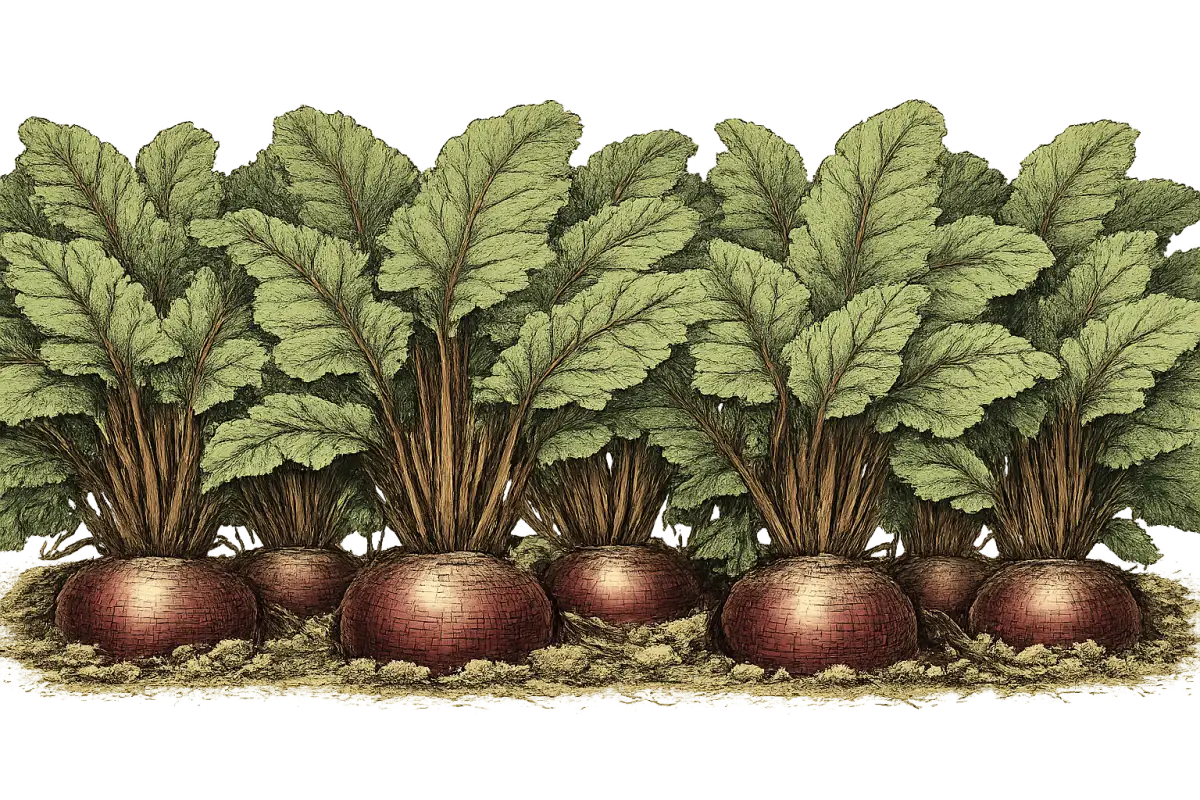
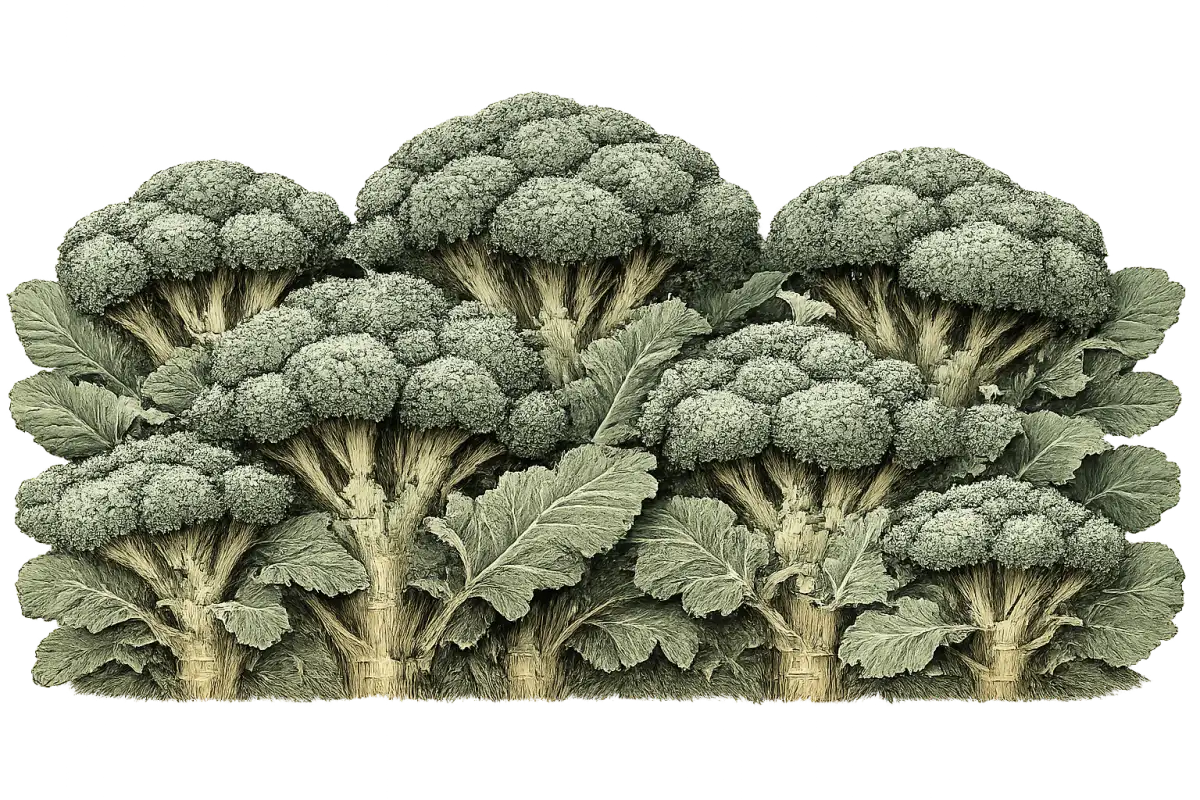
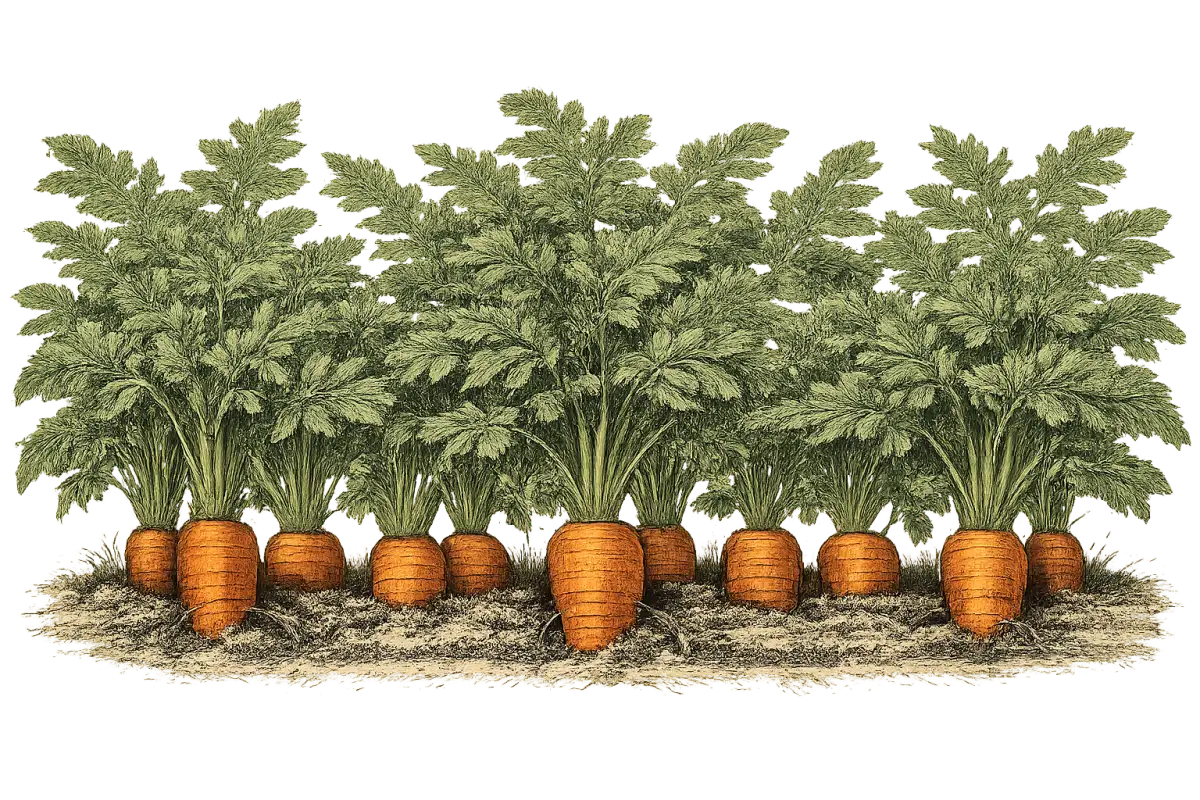
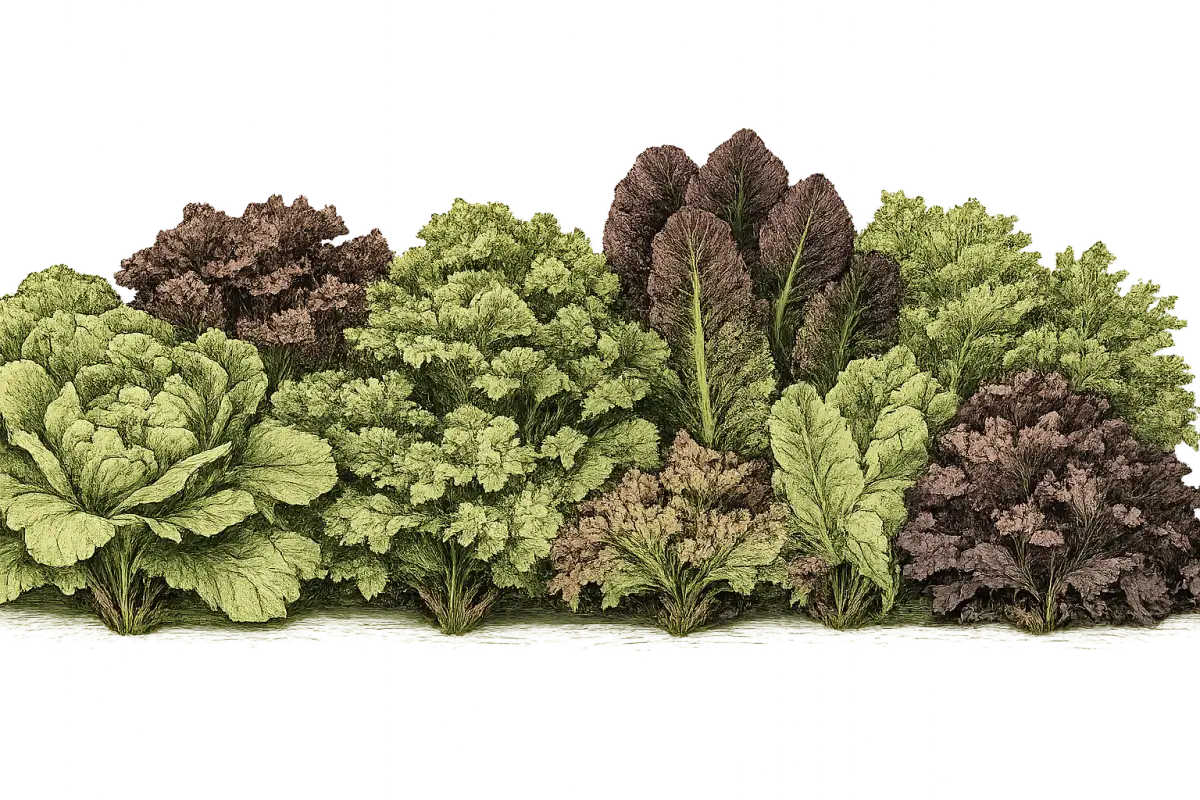
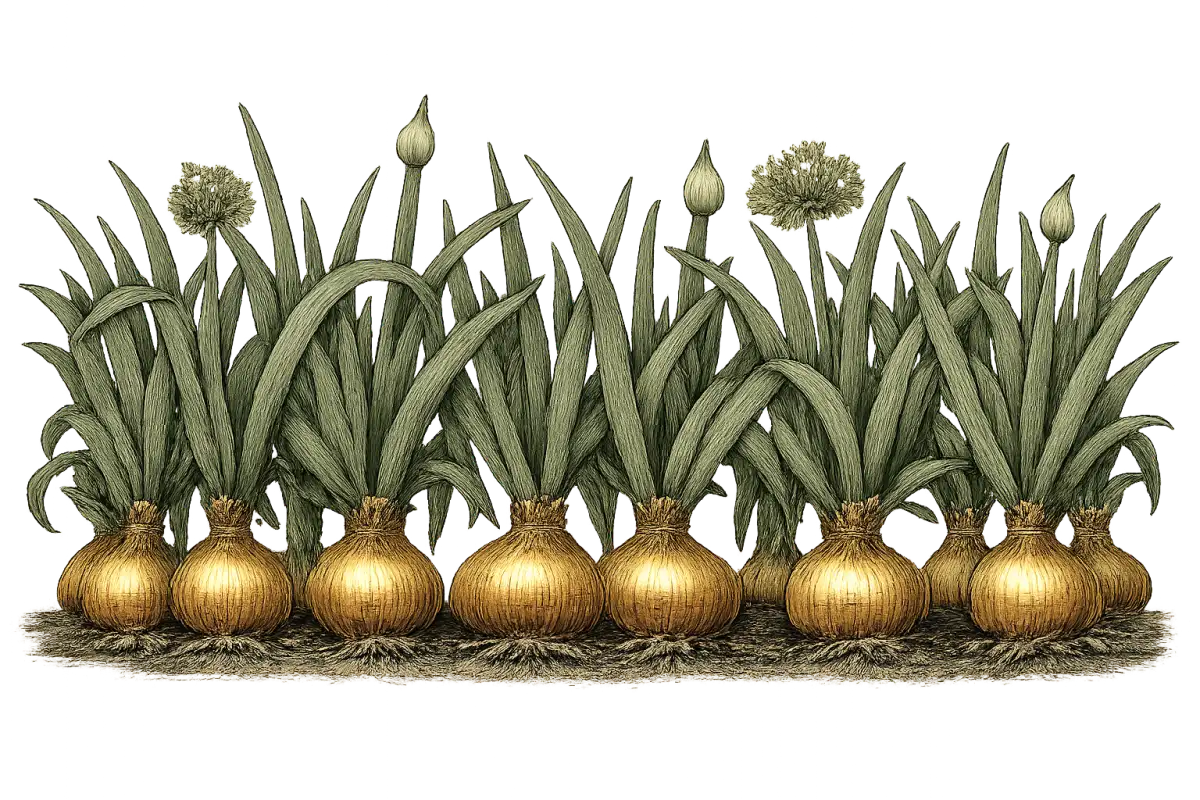
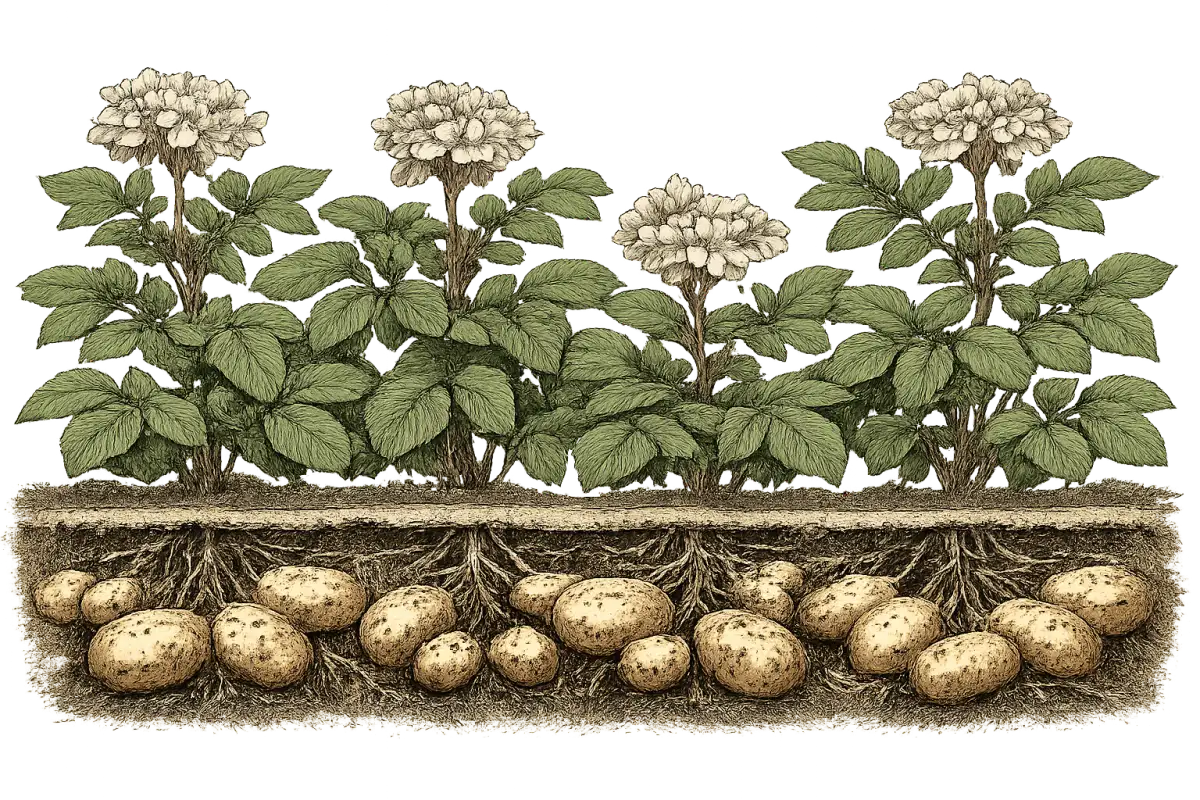
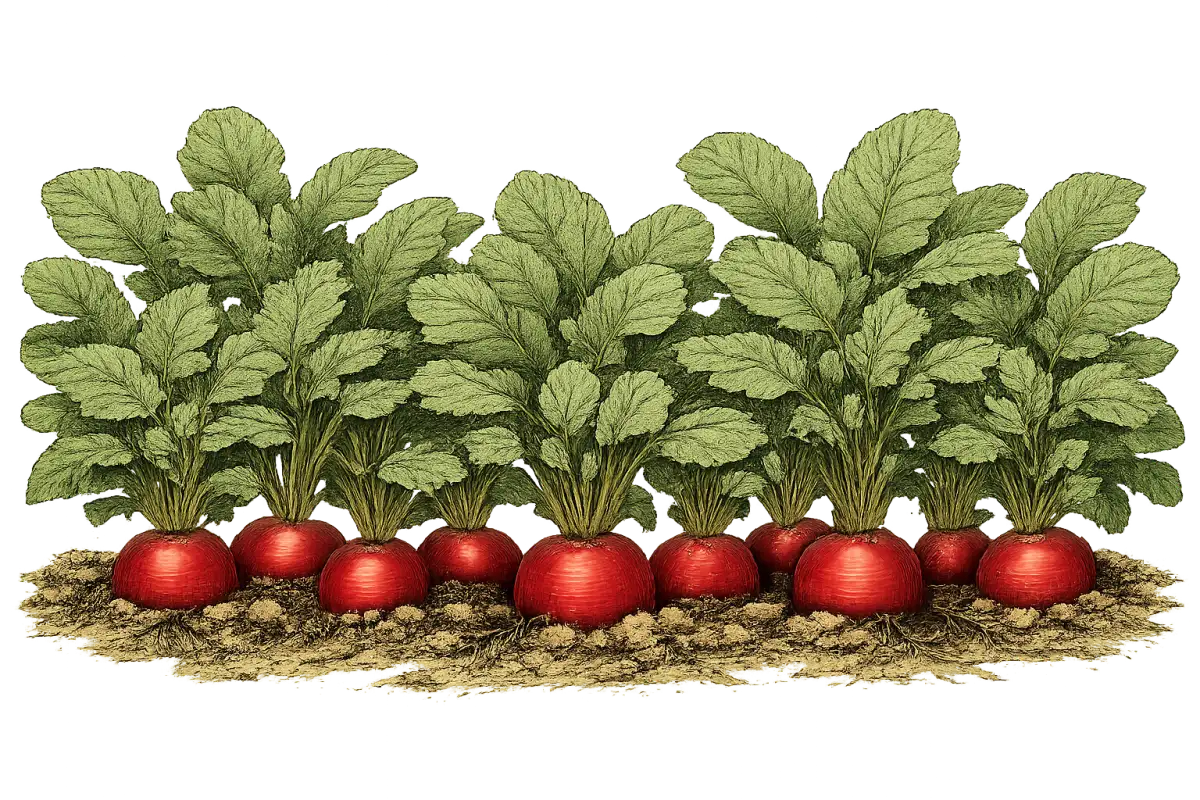
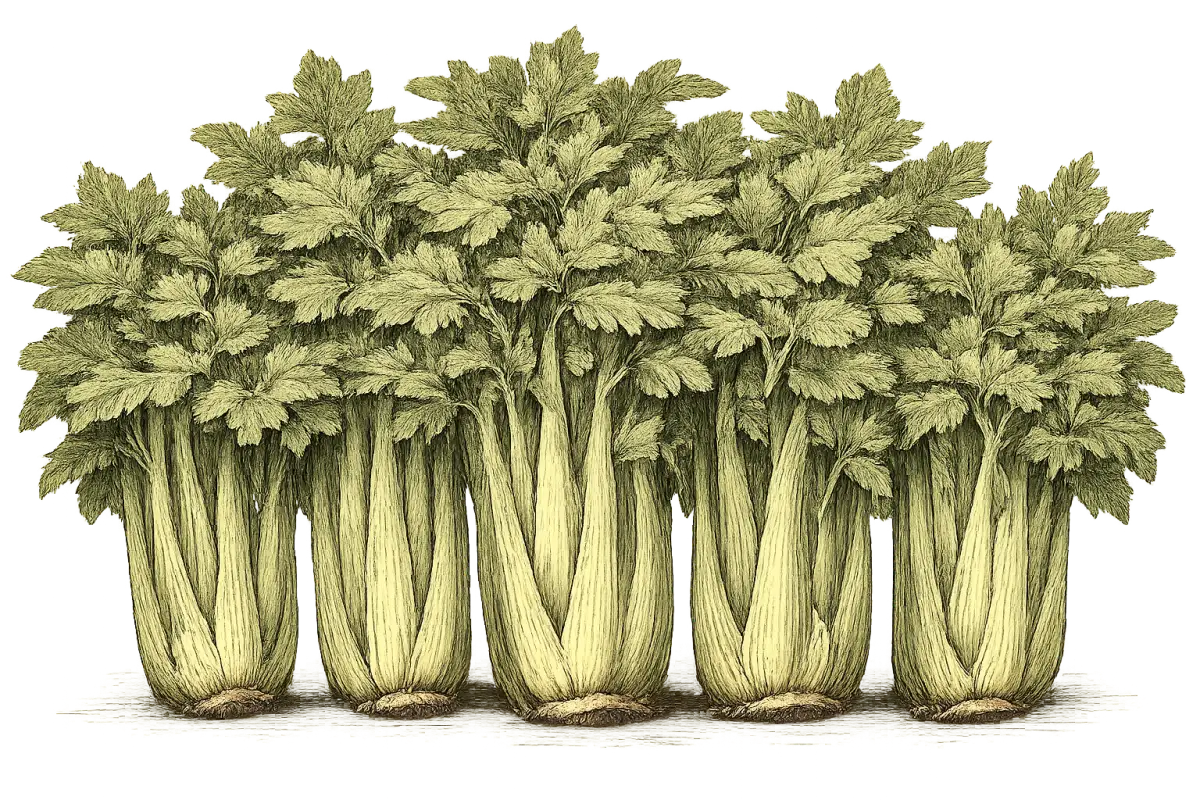
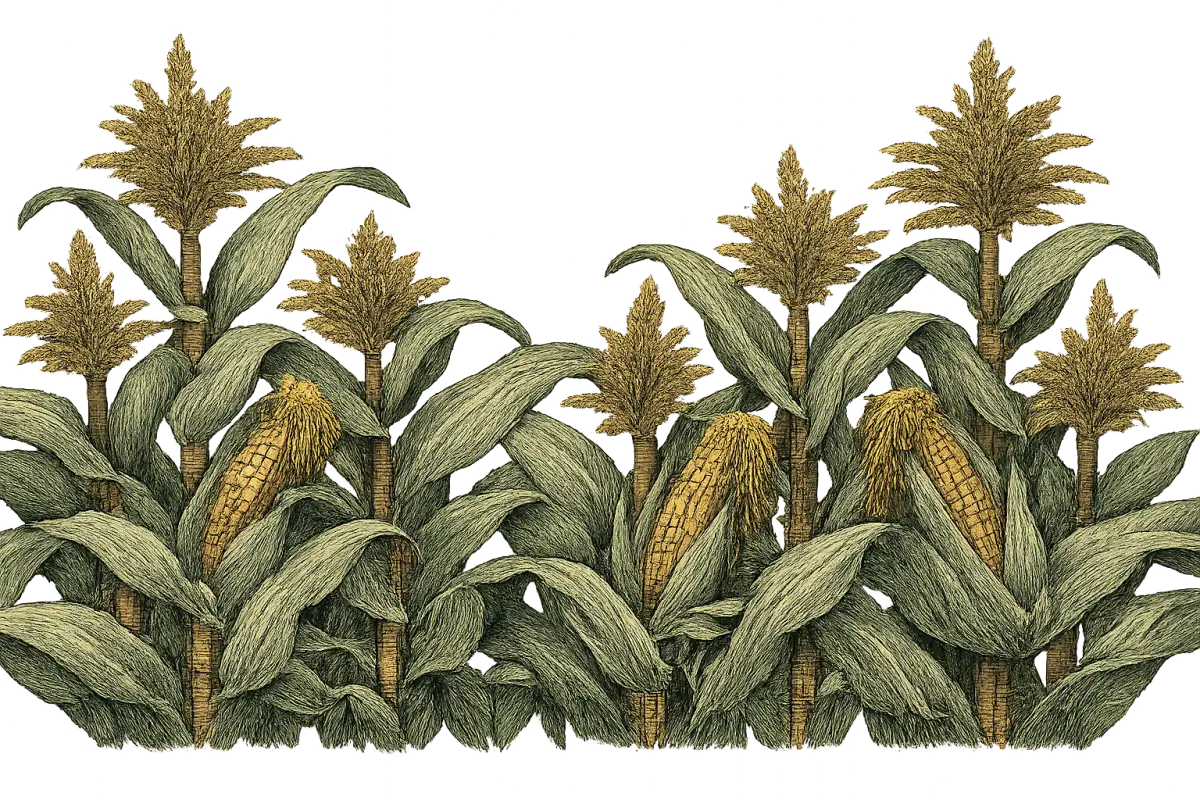
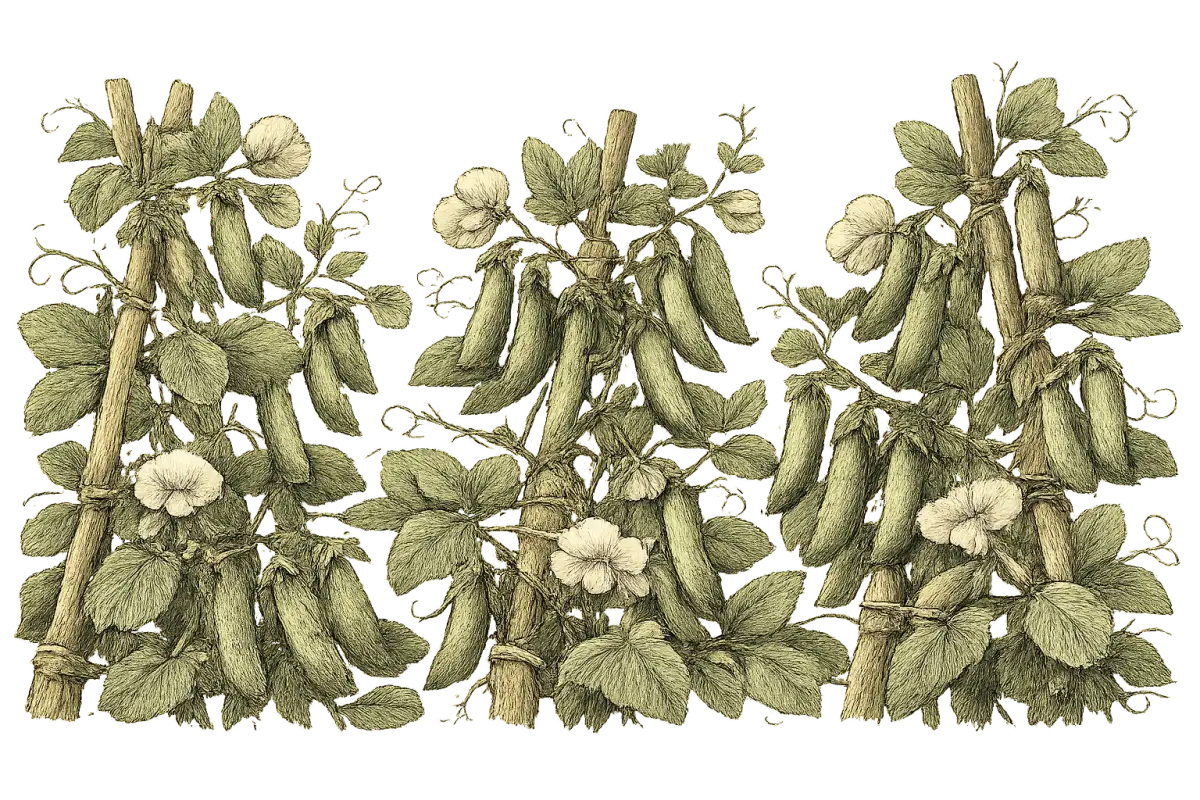
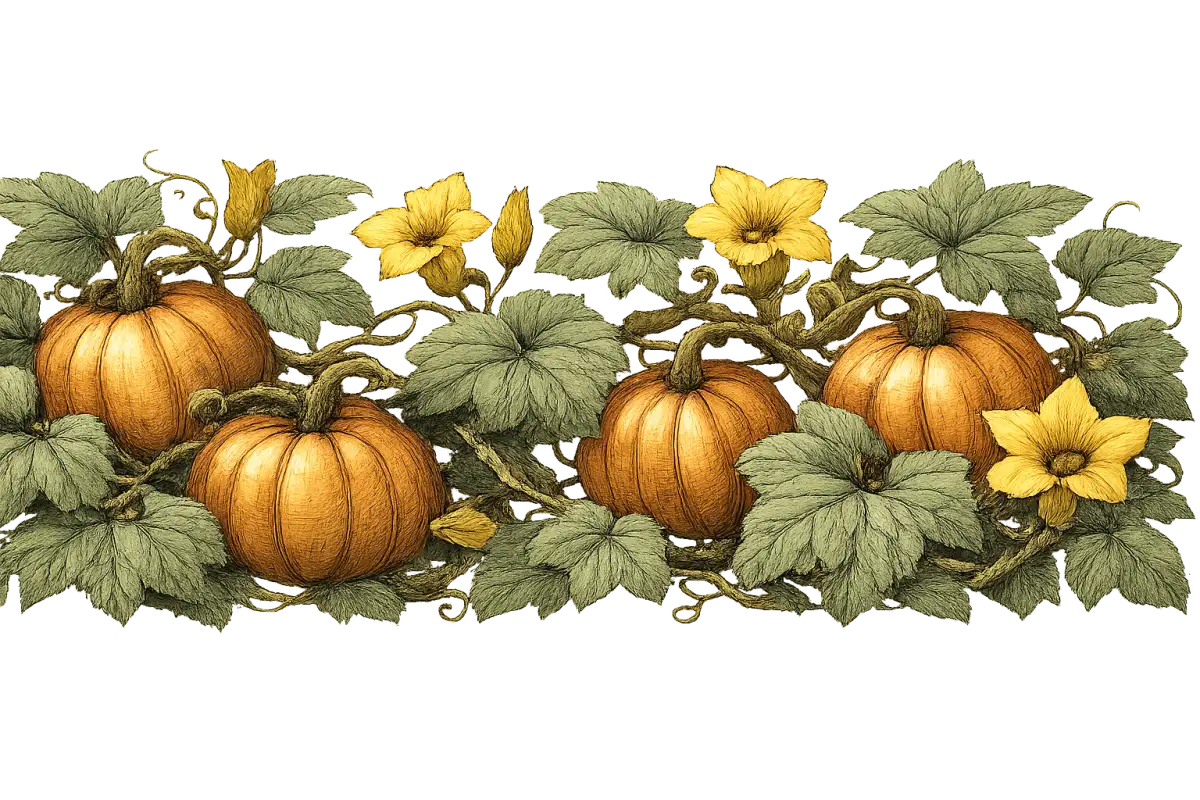
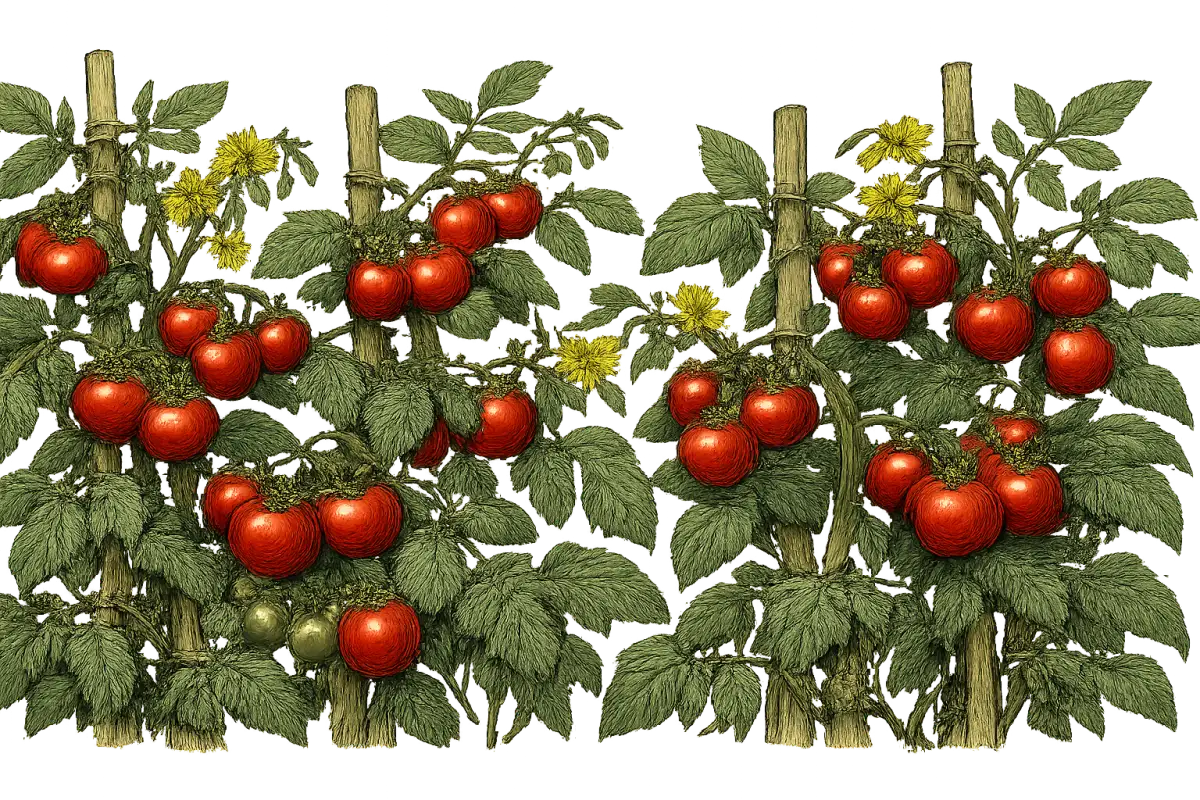
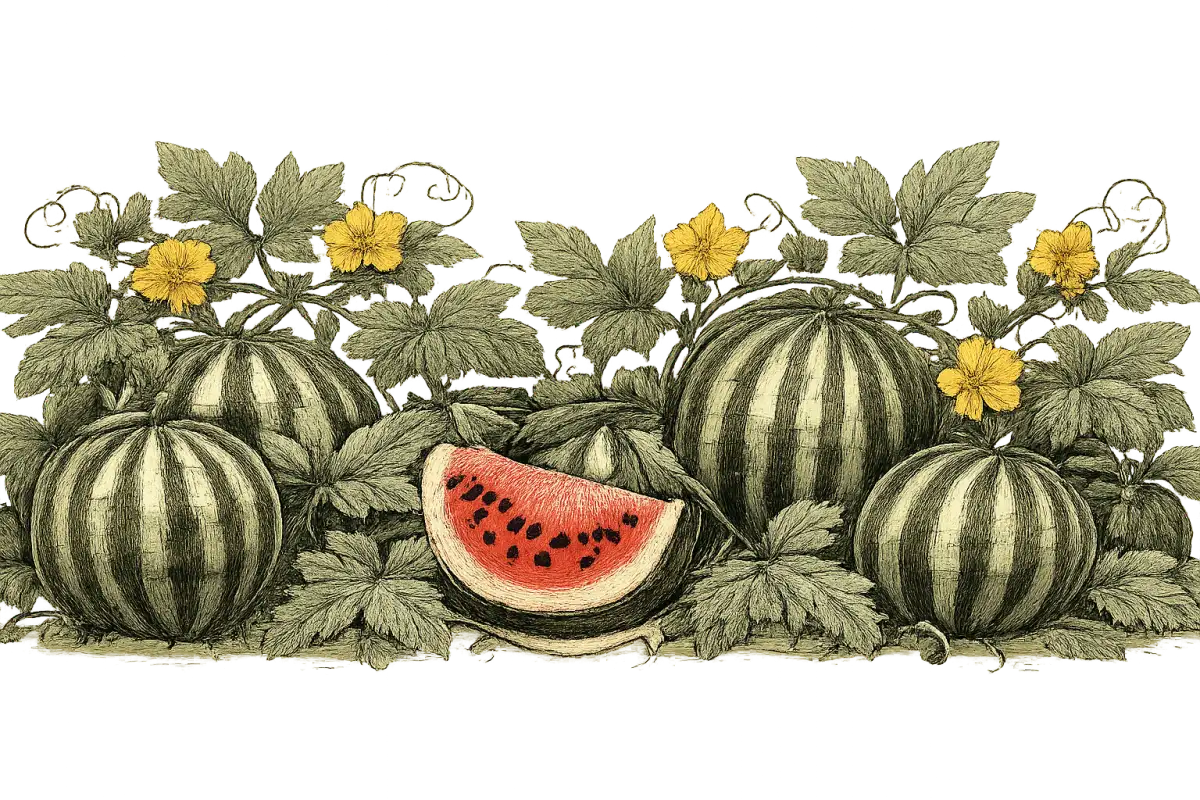
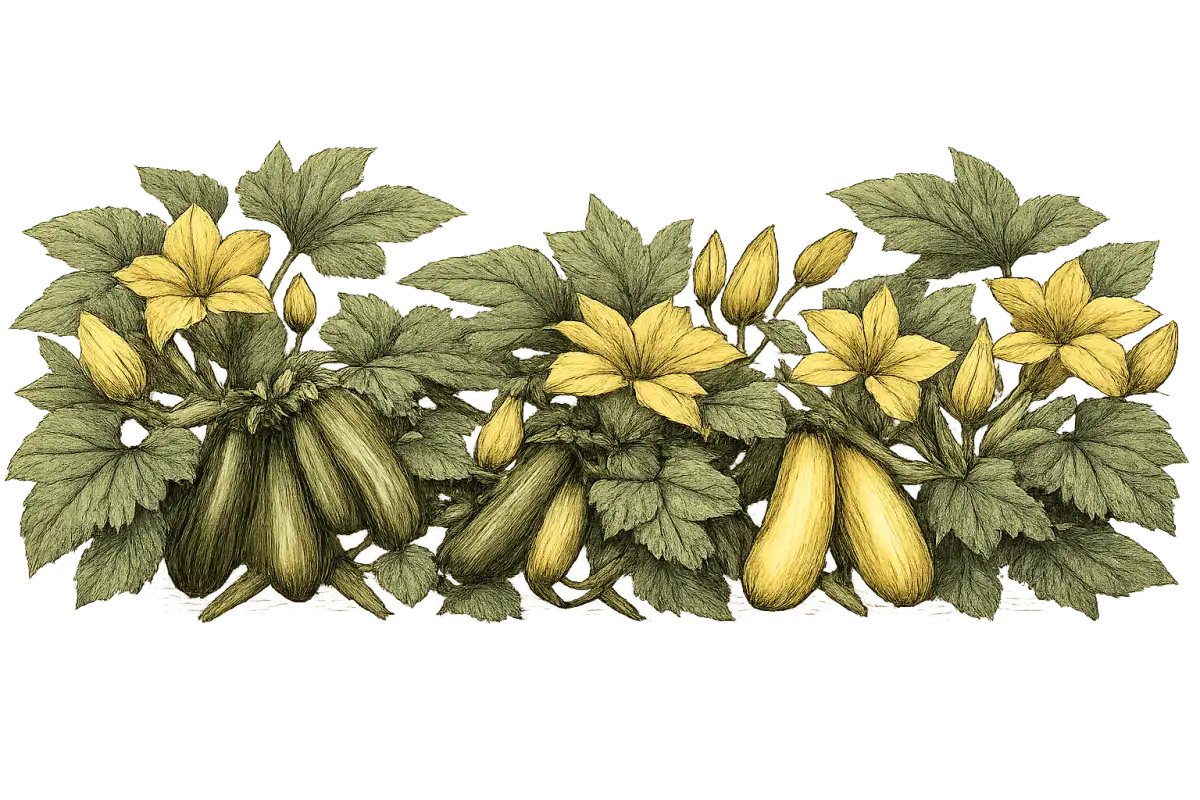
Zone 4 is vegetable country. Tomatoes, peppers, beans, squash, cucumbers, melons, root crops, brassicas, alliums — nearly everything in a standard catalog works here. Start tomatoes and peppers indoors 6-8 weeks before your last frost. Direct-sow cool-season crops as soon as the ground is workable. The main adjustment from southern zones is timing: you're working with a shorter window, so don't dawdle on plantings.
Worth trying (rating 3 — possible but challenging):

Best Fruits for Zone 4
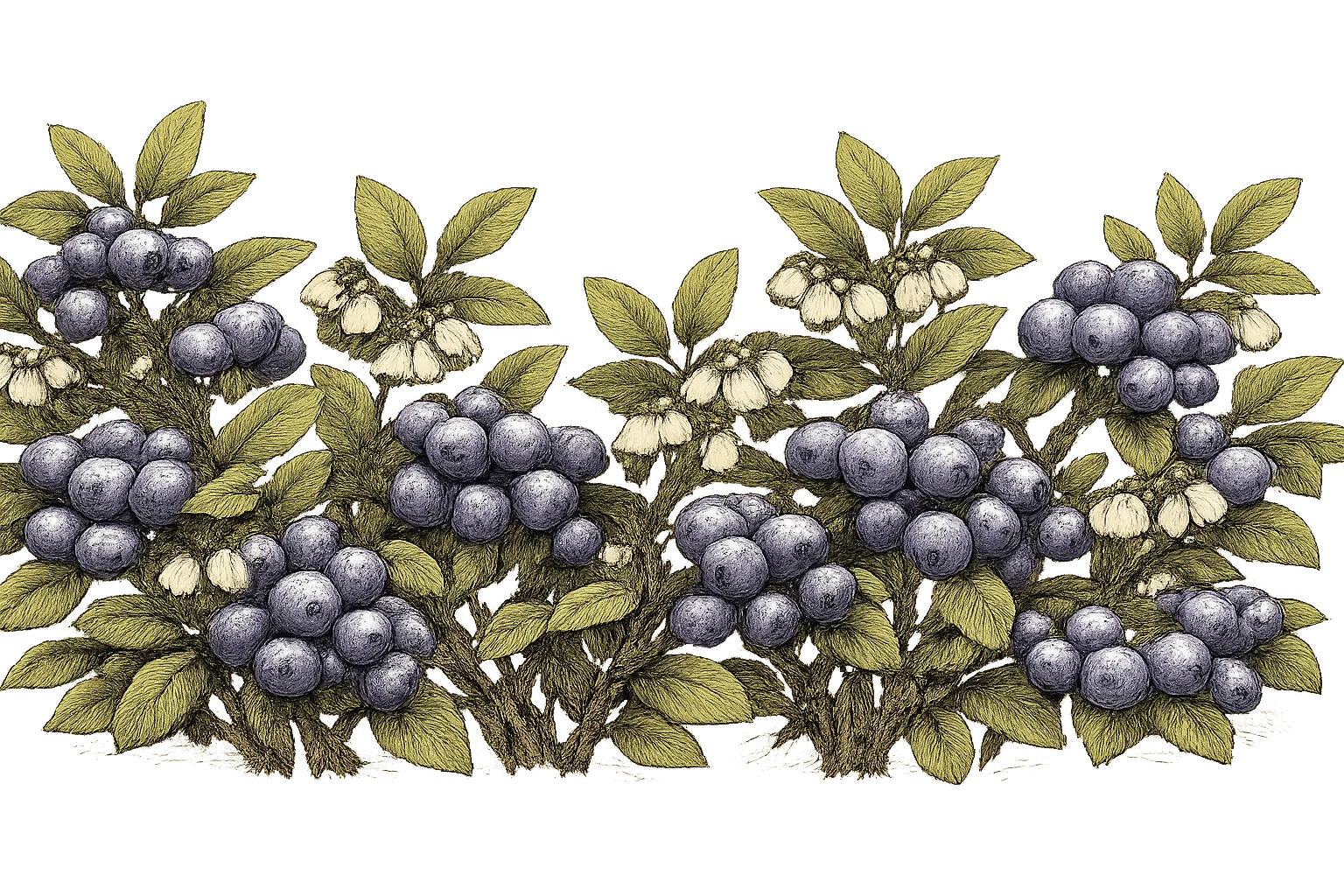
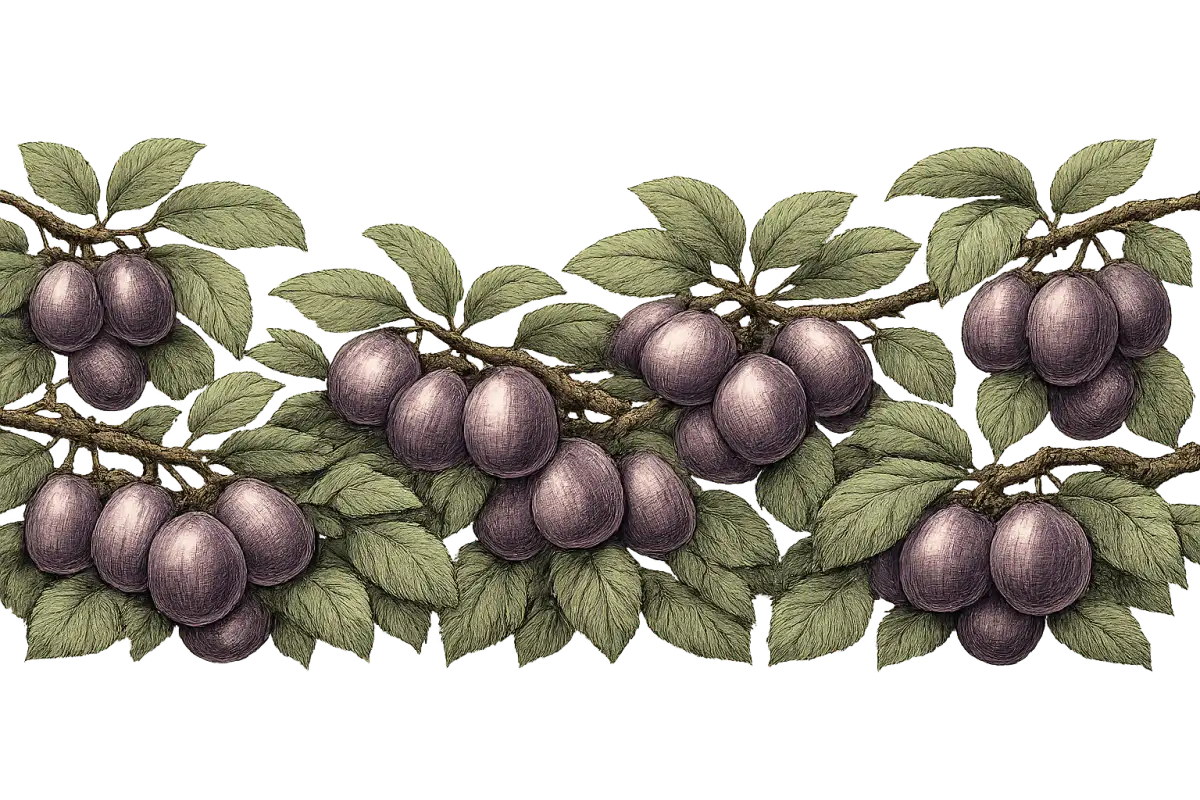
Most traditional fruit trees work in Zone 4. Apples thrive — this is the classic northern apple zone. Hardy pears, plums, and sour cherries produce well. Raspberries, blueberries, strawberries, currants, and gooseberries are all reliable. Stone fruits like peaches and apricots are marginal — they'll survive most winters in 4b but you'll lose them in a bad one. Sweet cherries are difficult. Tender fruits (figs, citrus) are not realistic outdoors.


Worth trying (rating 3 — possible but challenging):


Best Herbs for Zone 4
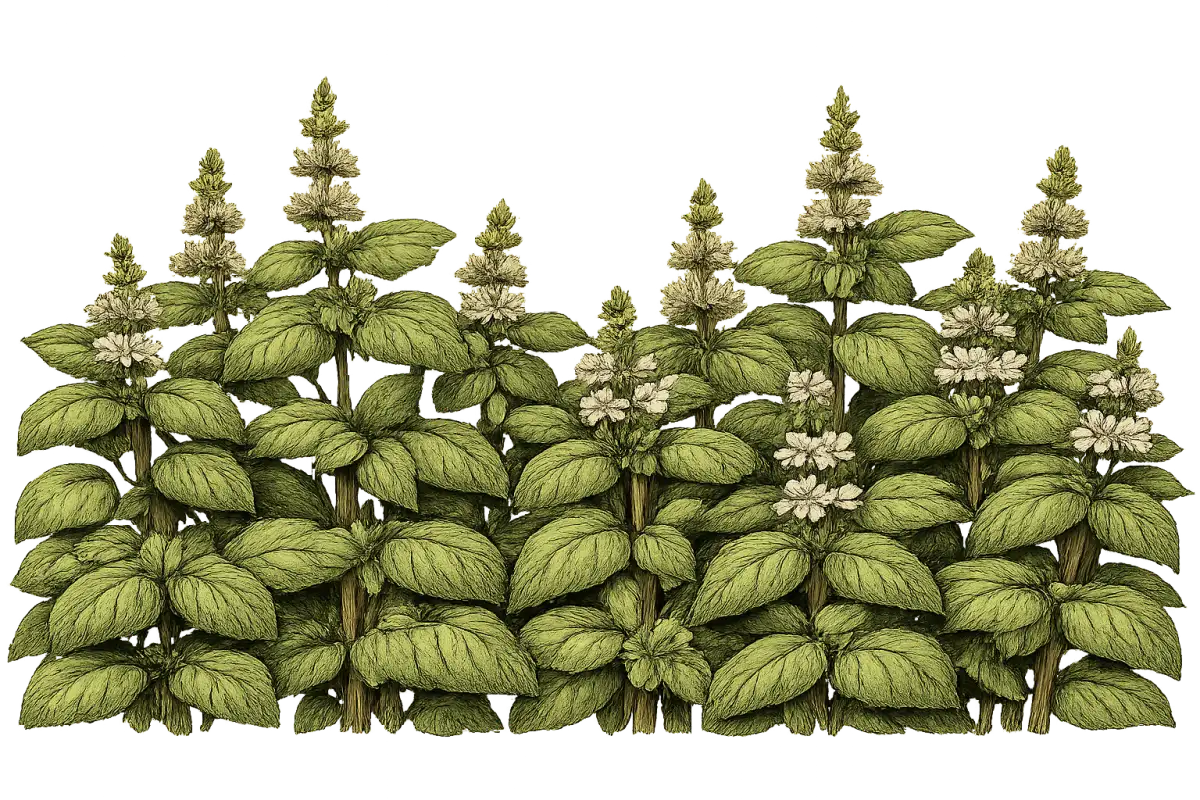
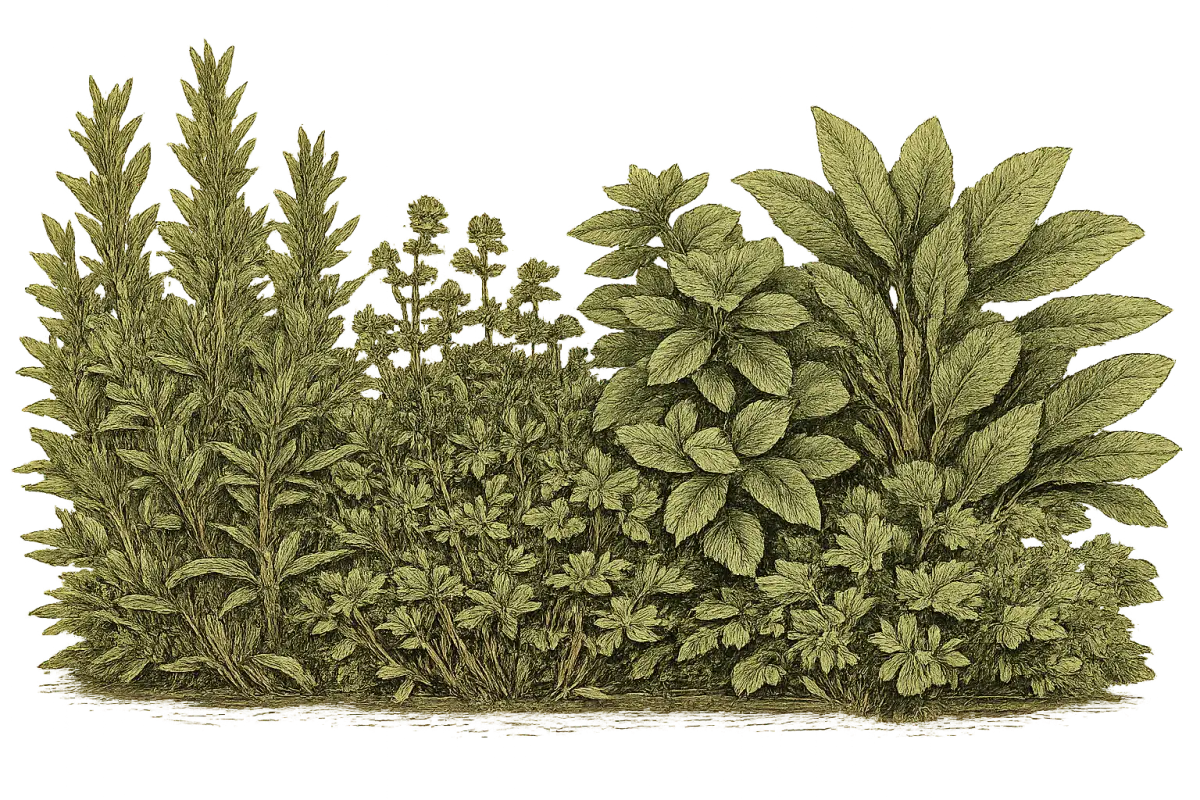
The standard annual herb playbook works: basil, cilantro, parsley, dill, and chives all grow well through the summer. Chives are reliably perennial. Mint and lemon balm return every year. Mediterranean perennial herbs (rosemary, thyme, oregano, sage) survive Zone 4 winters in protected sites with good drainage but can be unreliable — many gardeners treat them as annuals or grow them in pots that move indoors.
Worth trying (rating 3 — possible but challenging):
Best Flowers for Zone 4
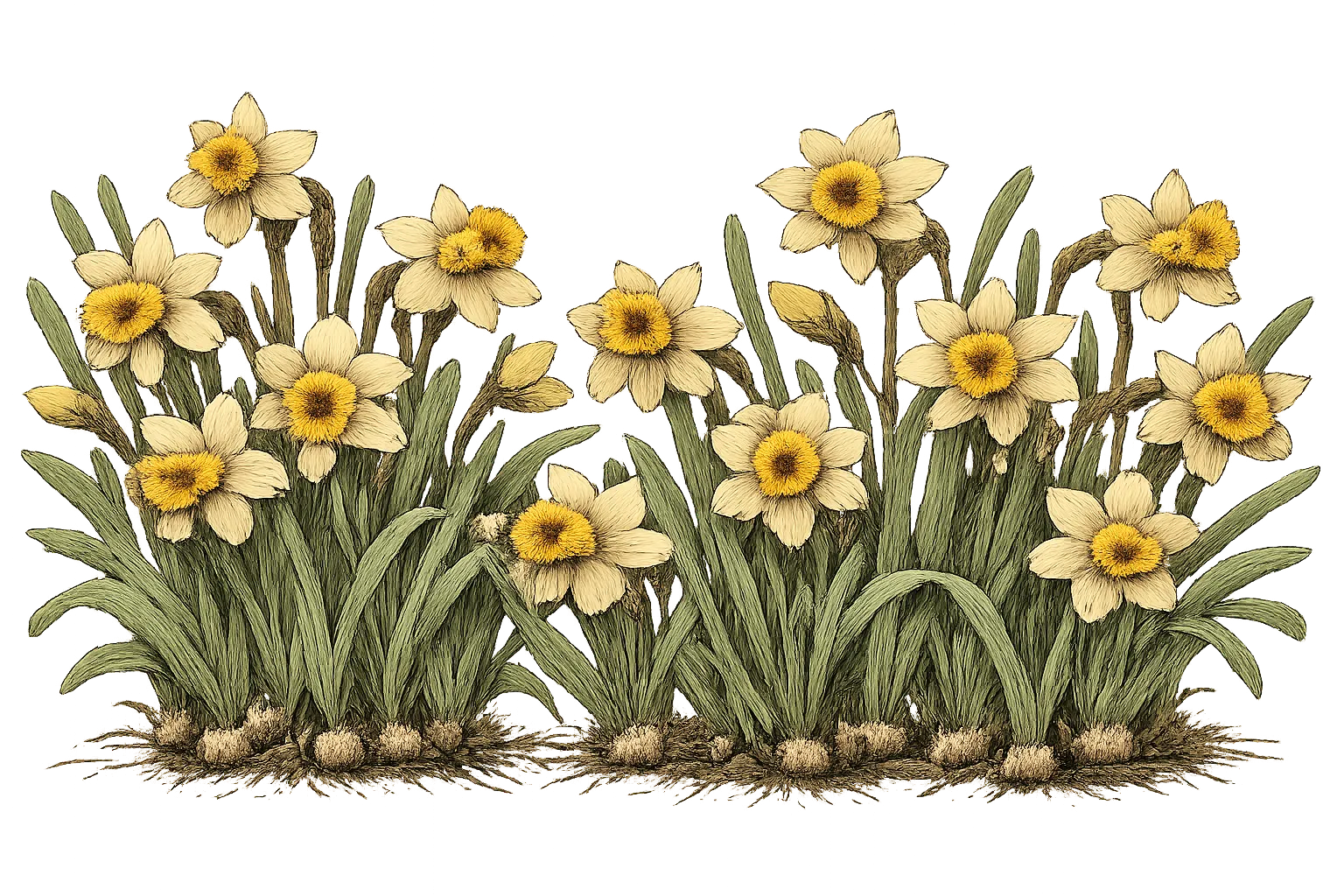
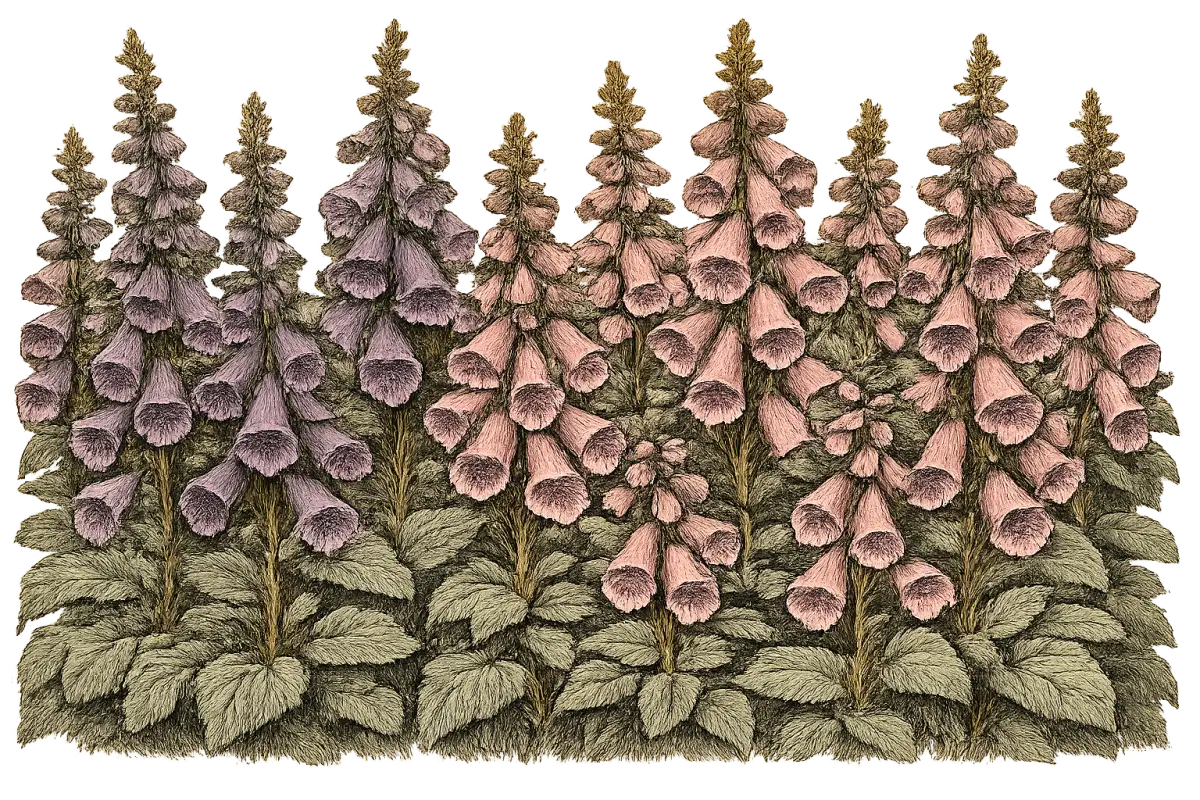
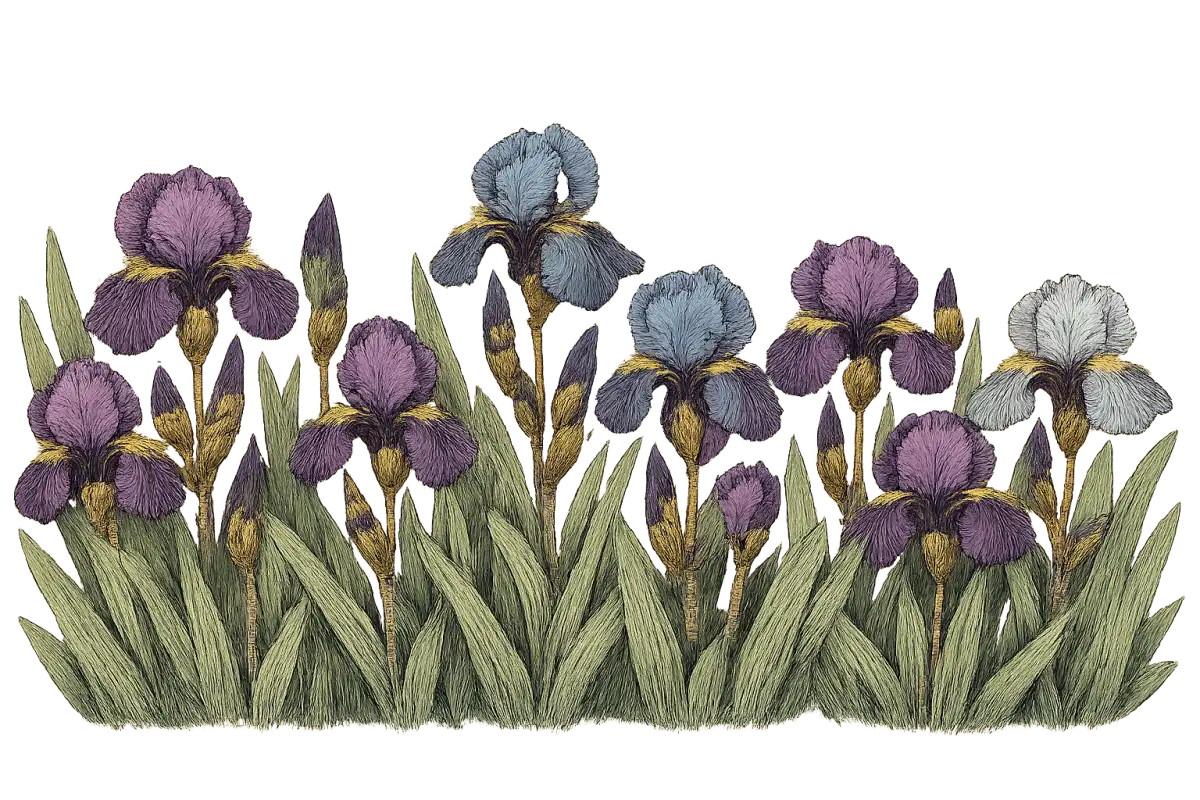
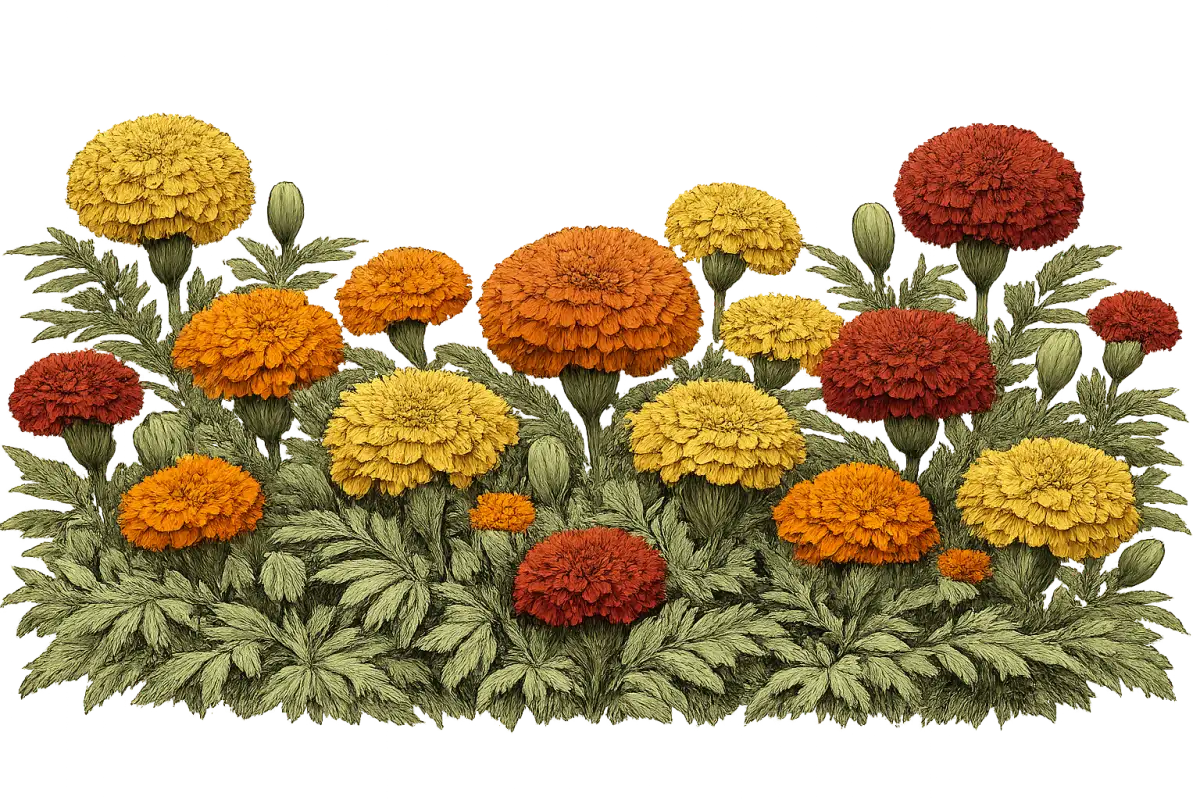
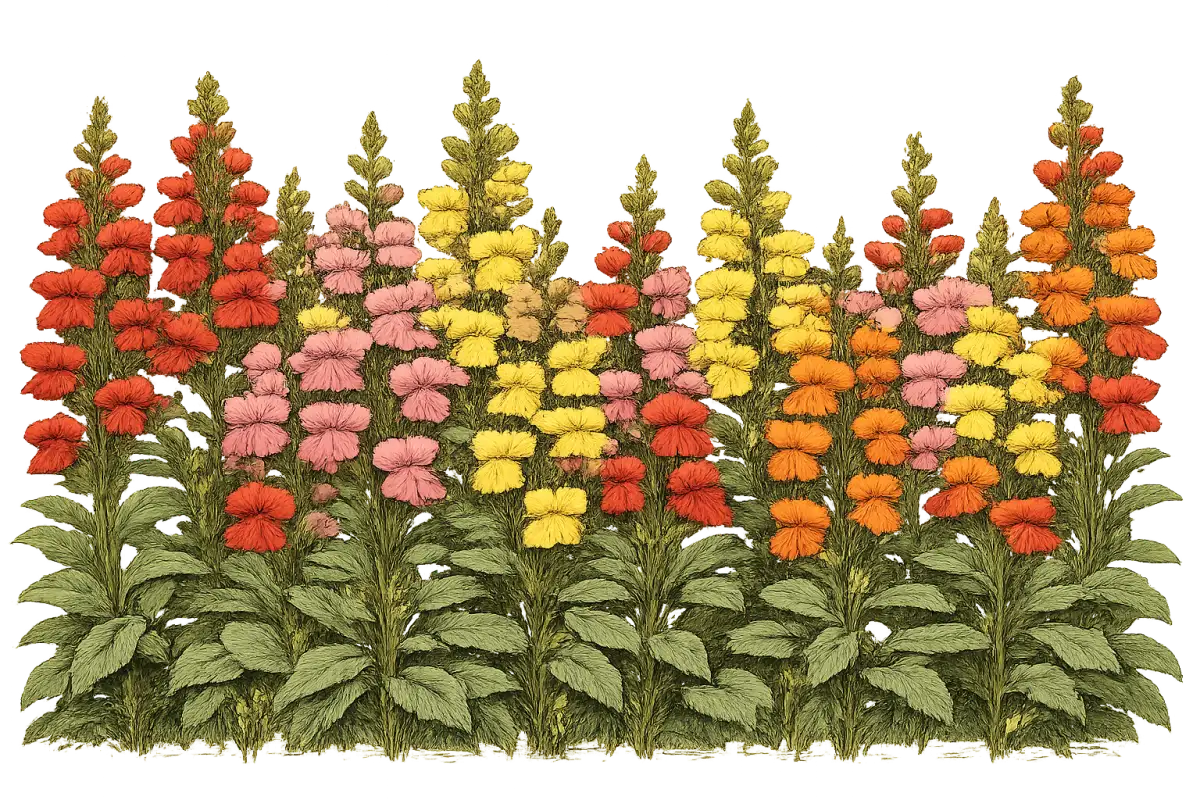
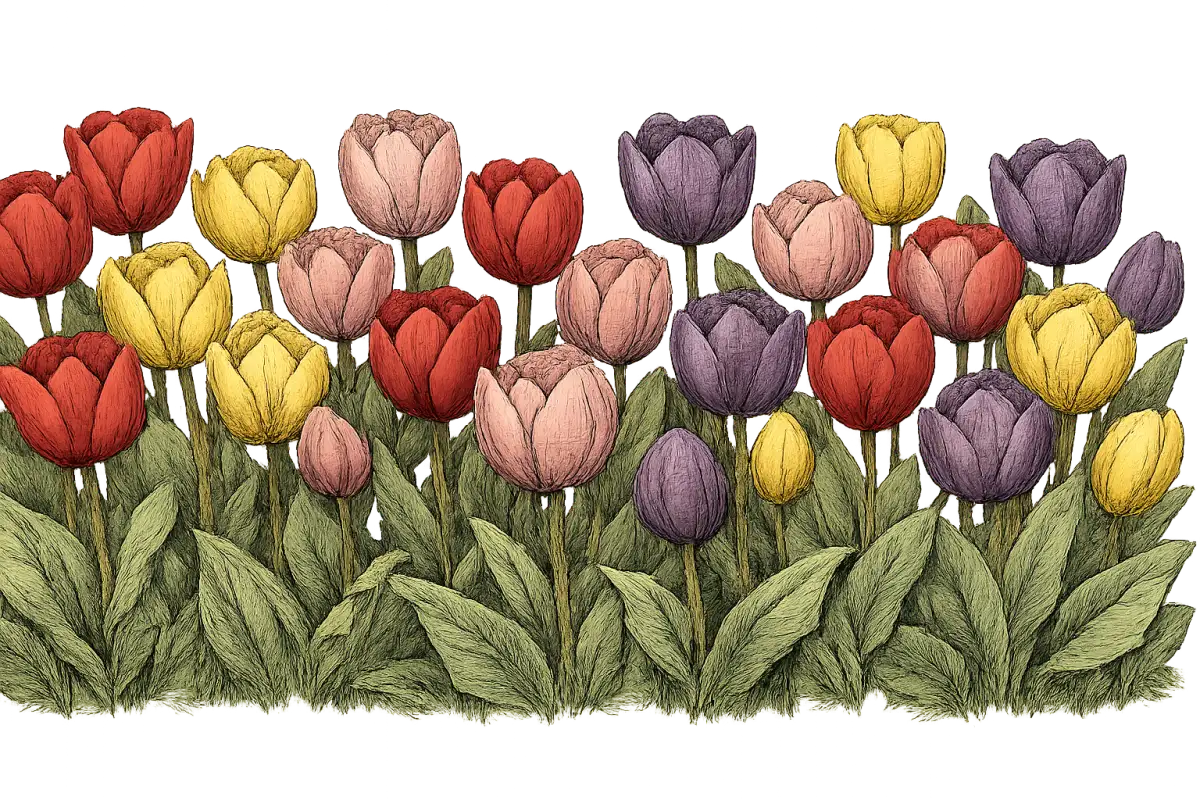
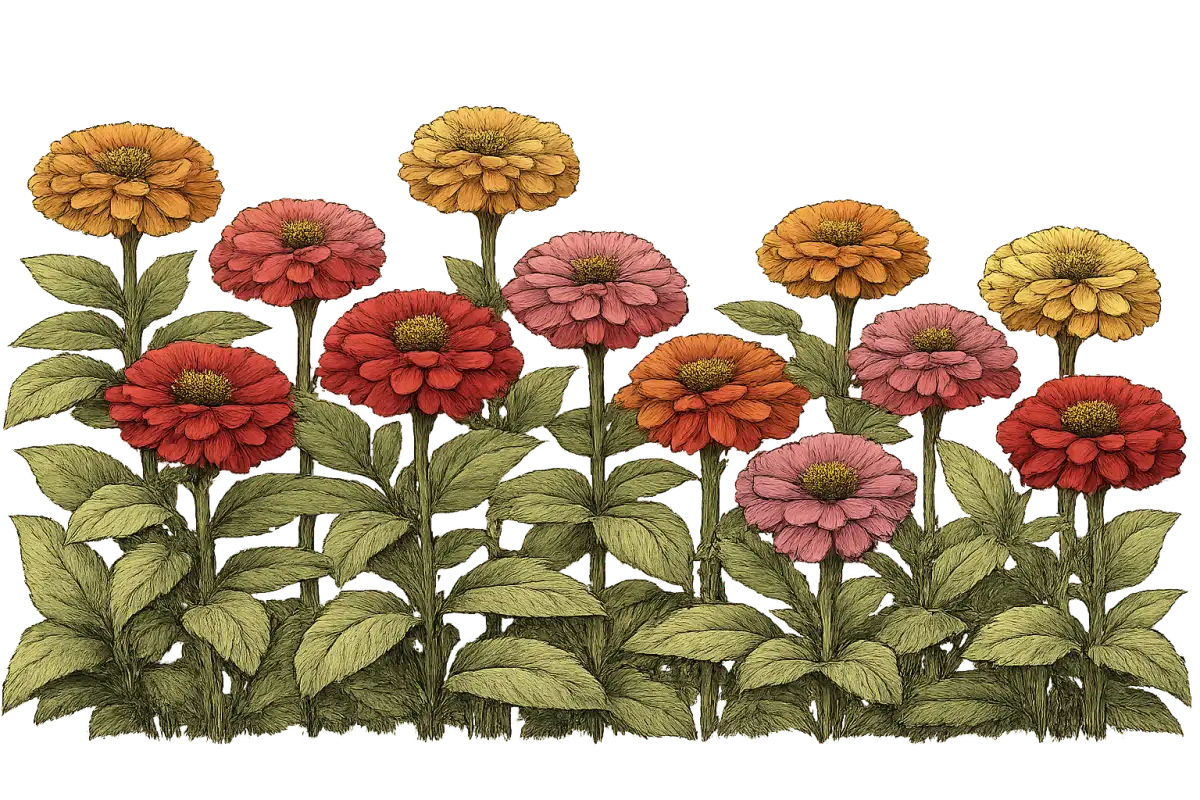
Nearly every cold-hardy annual and perennial flower thrives in Zone 4. Peonies, daylilies, iris, daisies, black-eyed Susans, and bee balm are all reliable. Spring bulbs are spectacular. For annuals, the standard lineup (marigolds, petunias, zinnias, sunflowers, cosmos) works without issue. The only flowers that struggle are tender tropicals like hibiscus and bougainvillea, which need to be brought indoors for winter.







Worth trying (rating 3 — possible but challenging):







Best Shrubs for Zone 4
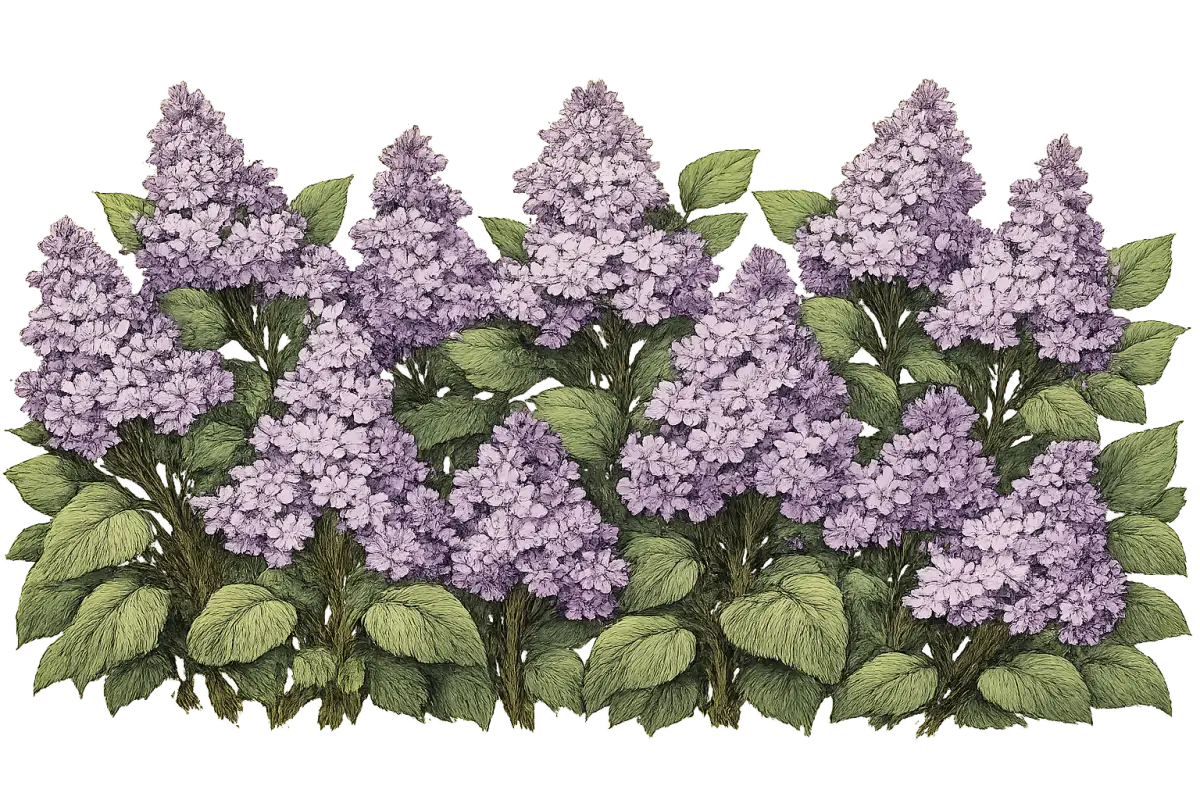
Most hardy shrubs work in Zone 4. Lilacs, forsythia, hydrangeas (paniculata and arborescens types), ninebark, and viburnum are all reliable. Hardy roses from the Canadian breeding programs handle Zone 4 without protection; standard hybrid teas need winter protection or replacement every few years. Rhododendrons and azaleas can work in protected sites but are marginal.

Worth trying (rating 3 — possible but challenging):


Best Perennials for Zone 4
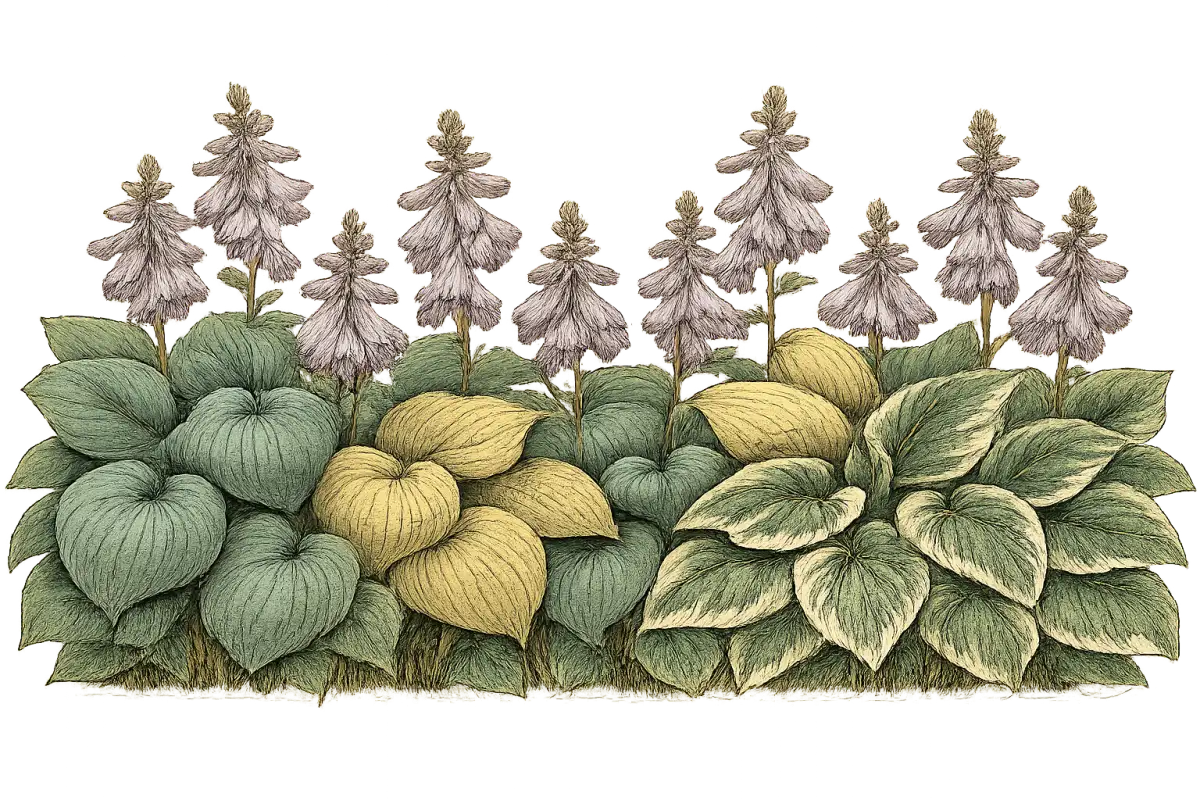
Zone 4 is strong perennial territory. Peonies, hostas, daylilies, irises, and most traditional herbaceous perennials handle the winters fine. Some marginally hardy perennials (lavender, Russian sage, certain ornamental grasses) need well-drained soil and good siting to reliably overwinter.

Best Vines for Zone 4
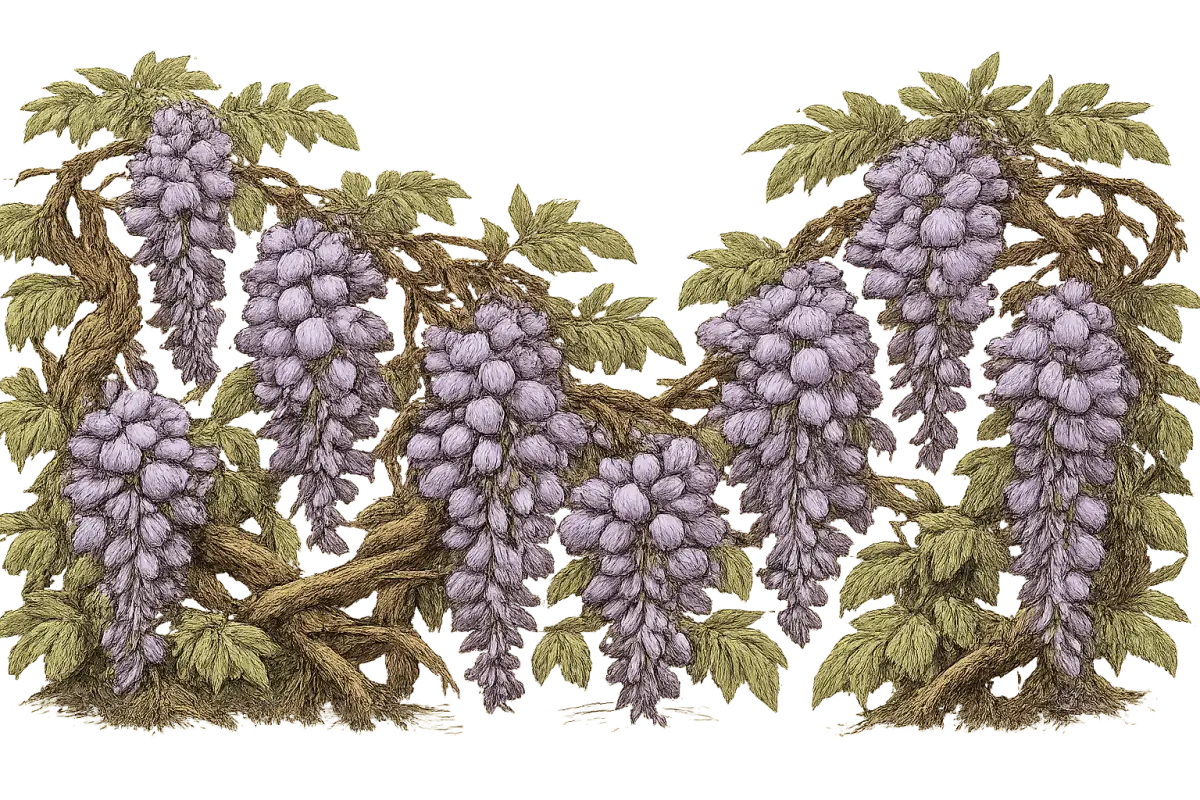
Hardy clematis varieties work in Zone 4. Hops thrives. Boston ivy and Virginia creeper grow vigorously. Climbing hydrangea is reliable in most sites. Wisteria is generally too tender for reliable flowering, though it may survive in the most protected spots.


Worth trying (rating 3 — possible but challenging):

Best Trees for Zone 4
Traditional northern trees thrive here: maples (sugar, red, silver), oaks (bur, white, northern red), birches, aspens, hardy pines and spruces. Fruit trees like apples and hardy pears work well. Flowering trees are more limited — flowering crabapples and serviceberry are reliable, dogwoods and magnolias are marginal to unreliable except in protected sites.
We don't currently have trees in our database that are well-suited to Zone 4.
Season Tips for Zone 4
Start tomatoes, peppers, and eggplant indoors 6-8 weeks before your last frost. Direct-sow peas, lettuce, spinach, and radishes 2-4 weeks before last frost — they tolerate cool temperatures and frost.
Watch for late-spring cold snaps. Every Zone 4 gardener has a story about losing tomatoes to a frost three weeks after "the last frost date." Keep row covers handy and be ready to protect transplants through May.
Microclimates in Zone 4
Microclimate siting matters for marginal plants in Zone 4. South-facing walls absorb daytime heat and radiate it at night, protecting plants a full zone warmer than the rest of your yard. Sheltered courtyards and areas near large bodies of water are warmer than exposed sites. Cold air drainage is the opposite problem — low spots in your yard hold frost longer than higher ground, which matters for frost-sensitive fruit trees and tender perennials.
Common Mistakes Zone 4 Gardeners Make
1. Trusting the 'average last frost date' too literally
That date is an average. Actual last frosts in Zone 4 can come 1-3 weeks later. Keep row covers handy through late May for tender transplants.
2. Ignoring the polar vortex factor
Once per decade or so, Zone 4 experiences temperatures well below the normal range. For high-value perennials, choose varieties rated for Zone 3 as insurance.
3. Planting stone fruit trees without a protected site
Peaches and apricots are marginal in Zone 4. They'll work in a warm microclimate (south-facing wall, protected from wind) but fail in exposed sites. Choose the location before choosing the tree.
4. Underestimating summer heat
Zone 4 has plenty of cold days but summer heatwaves happen too. Cool-season crops like peas, lettuce, and broccoli often bolt by mid-July. Time them for spring and fall harvests, not midsummer.
Zone 4 FAQ
When should I plant tomatoes in Zone 4?
Transplant tomatoes outdoors 1-2 weeks after your average last frost — usually late May to early June. Start seeds indoors 6-8 weeks before that. Don't rush: a cold snap will stunt or kill young tomato plants even if the 'average' last frost date has passed.
Are peaches realistic in Zone 4?
Marginal. Hardy varieties like 'Reliance' can survive most Zone 4 winters in protected sites (south-facing walls, sheltered from winter wind), but you'll lose them in an exceptional cold snap. Zone 4b gardeners have better luck than 4a.
What's the best way to extend my growing season in Zone 4?
Row covers, cold frames, and low tunnels. A simple row cover buys you 4-6 weeks of extra growing time on each end of the season. Cold frames go even further and let you grow cold-hardy greens through much of the winter.
Do I need to mulch perennials for winter in Zone 4?
For most established perennials, no — they handle Zone 4 winters fine. For newly planted perennials (first winter), recently divided plants, and marginally hardy species, yes. Apply 2-3 inches of mulch after the ground freezes, not before.