 Where to Plant
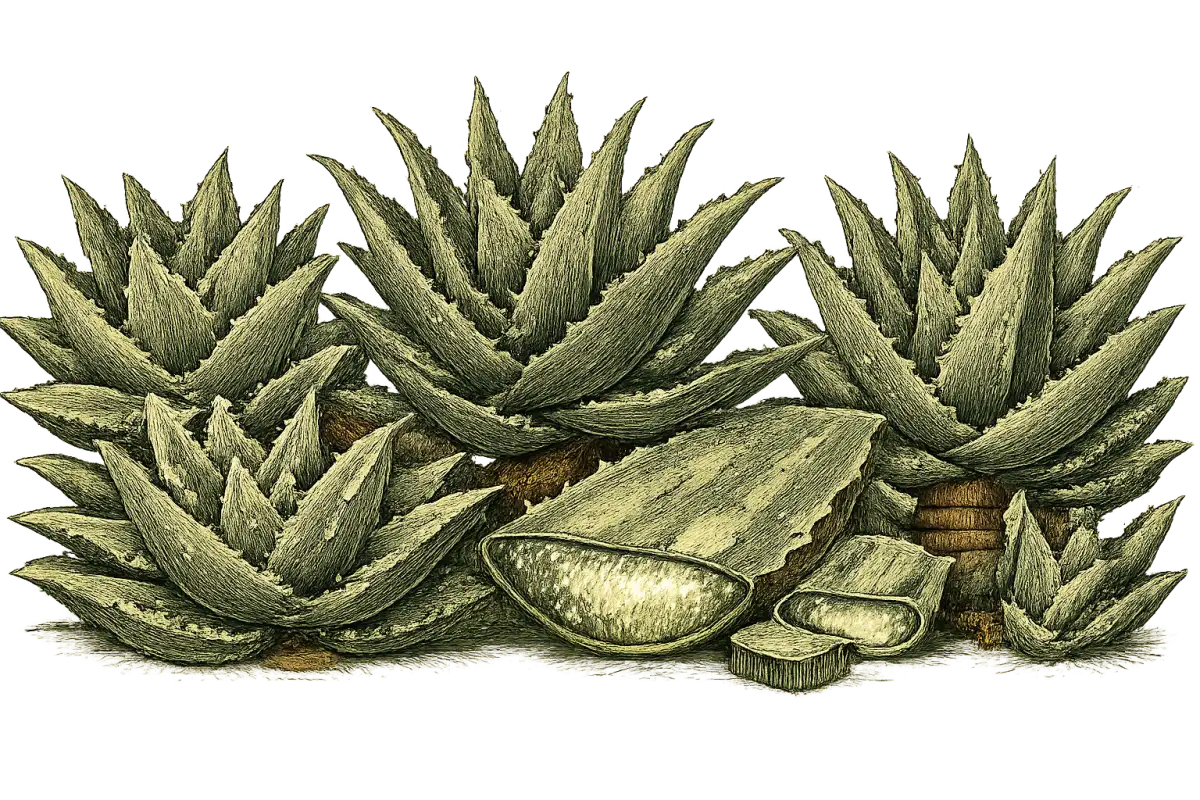


There is a particular kind of heartbreak reserved for aloe vera growers: the plant you expected to be indestructible sitting on your windowsill, leaves gone soft and translucent, base collapsing into mush. It feels like a personal failure. How do you kill something that supposedly thrives on neglect?
The answer is always the same. You watered it.
Aloe vera is one of the most misread plants in cultivation. Its reputation as an easy houseplant is genuine but incomplete. It tolerates neglect beautifully. It does not tolerate the habits most of us carry from growing other houseplants — the attentive waterings, the moisture-retentive soil, the "just in case" top-ups when the leaves look a little dull. Those instincts, correct for a peace lily or a fern, are quietly lethal for a plant that evolved in landscapes where rain comes infrequently and soil dries in hours.
Get the watering right, get the soil right, and aloe vera becomes the low-maintenance companion it promises to be. The right specimen in the right zone and the right container looks stunning, too — that architectural rosette, those fleshy blue-green leaves tapering to a point, the occasional surprise of a flame-orange flower spike rising three feet above the foliage. It is not merely useful. It is genuinely beautiful.
This guide covers what the plant actually needs, zone by zone, mistake by mistake, so you can grow aloe the way it wants to be grown rather than the way instinct tells you to treat it.
Quick Answer: Aloe Vera Growing at a Glance
USDA Zones (outdoor perennial): 9 through 11
USDA Zones (container/indoor): 4 through 8
Light: 6+ hours of bright light daily; south- or west-facing window indoors
Soil: Fast-draining cactus/succulent mix; water must exit the pot within seconds
Soil pH: 6.0–7.0
Watering method: Soak-and-dry; water only when the top 1/3 of soil is completely dry
Indoor watering frequency: Every 2–3 weeks in summer; every 4–6 weeks in winter
Outdoor watering (zones 9–11): Established plants often need no supplemental water
Temperature: Ideal 55–80F indoors; lethal below 25–30F
Pot: Terra cotta with drainage holes; only 5–10% wider than the root ball
Propagation: Division of pups (offsets) only — leaf cuttings will rot, not root
First gel harvest: Plants 3–4 years old; outer leaves only; never more than 1/3 at once
Mature size (indoors): 12–18 inches; outdoors 2–3 feet tall and wide
Primary species for medicinal use: Aloe barbadensis miller exclusively
The Watering Problem (Why So Many Aloe Plants Die on Windowsills)
Before anything else in this guide matters, I need you to sit with this idea: aloe vera does not need your care in the way other plants do.
It evolved in arid environments where rain is infrequent and soil dries rapidly between events. The fleshy leaves are not decorative — they are reservoirs, carrying weeks of water internally so the plant can survive extended drought. When you replicate desert conditions, the plant thrives. When you replicate the moist, attentive conditions of a tropical houseplant, the roots sit in wet soil they were never designed to tolerate, cells rupture, fungal pathogens move in, and root rot takes hold with astonishing speed.
Overwatering is the cause of more aloe deaths than every other problem combined. It is not close.
What makes this so treacherous is the feedback loop. Overwatered aloe looks sick — leaves go soft and pale and translucent. Most growers interpret sick-looking leaves as a signal to water more. More water accelerates the rot. The plant collapses. The grower concludes aloe is difficult. Aloe is not difficult. The instinct was simply wrong.
The Soak-and-Dry Method
The correct approach is called soak-and-dry, and it is exactly what it sounds like. Check the soil before every watering by inserting your finger 1–2 inches into the mix. If there is any moisture at all, wait. Come back in a few days and check again. When the top third of the soil is completely dry — not slightly damp, completely dry — water thoroughly. Pour slowly and evenly until water flows freely from the drainage holes. Let the pot drain for ten to fifteen minutes. Empty the saucer. Then do not water again until the soil dries.
In summer, this cycle takes roughly two to three weeks indoors. In winter, when the plant is dormant and using almost no water, the same cycle can stretch to four to six weeks. Never follow a calendar for aloe watering. A small terra cotta pot on a sunny winter windowsill may dry in ten days; the same plant in a large plastic pot in a dim room may stay moist for a month. The only reliable indicator is the soil itself.
A few techniques that do not work and should be discarded entirely:
Small, frequent sips keep the top layer perpetually damp without properly saturating deep roots. This is the worst possible pattern for aloe — it creates surface moisture without the deep-wet-then-dry cycle the plant needs.
Misting the leaves does nothing for hydration and can promote fungal issues on the foliage. Water the soil, always.
Ice cubes — a recurring social media myth — shock the roots with cold and deliver negligible water volume. Use room-temperature water.
Reading Your Plant: Overwatered vs. Underwatered
Overwatered aloe and underwatered aloe both look unwell, and telling them apart matters because the treatments are opposite. Here is how to distinguish them.
An overwatered aloe feels soft, squishy, and heavy. Leaves are mushy and may appear translucent or water-soaked. Brown patches look wet, not dry. The base of the plant may feel spongy at the soil line. In advanced cases, there is a musty, rotting smell from the soil. This is a serious situation requiring immediate intervention — stop watering, unpot the plant, and inspect the roots.
An underwatered aloe feels thin, papery, and light. Leaves curl inward as the plant draws moisture from its own tissue. Tips go brown and dry. The leaf surface wrinkles slightly. This is a low-urgency situation. Water thoroughly and the plant recovers within days, though the dry tips will not repair themselves on affected leaves.
If you genuinely cannot tell which problem you have, underwater. Aloe recovers from dryness reliably. It often does not recover from overwatering.
Soil and the Container: Setting Up the Right Foundation
Watering is the most important variable in aloe care, but it does not operate in isolation. The soil and container you choose determine how quickly the root zone dries — and whether careful watering actually translates to a healthy plant.
The Soil Rule
Water must flow through the soil and out the drainage holes within seconds. If it pools on the surface, drains in a slow trickle, or leaves the pot feeling heavy for several days after watering, the mix is wrong and root rot is only a matter of time regardless of how carefully you water.
Standard potting soil is formulated to retain moisture. For tropical houseplants, that is exactly what you want. For aloe vera, it is the wrong tool entirely. Potting mix stays wet for days after watering, creating the waterlogged conditions aloe roots cannot survive.
The simplest solution is a commercial cactus and succulent mix, available at any garden center. Popular options include Miracle-Gro Cactus, Palm & Citrus, Black Gold Cactus Mix, Espoma Cactus Mix, and — for growers who want particularly fast drainage — Bonsai Jack Succulent Mix. Some commercial cactus mixes still retain more moisture than ideal; if your soil stays wet for more than a few days after watering, add perlite at 25–30% by volume.
If you prefer to mix your own, two reliable recipes:
Standard DIY Mix: 50% regular potting soil, 50% perlite
Premium DIY Mix: 50% regular potting soil, 25% perlite, 25% coarse horticultural sand (never fine play sand or beach sand, which compact between soil particles and make drainage worse, not better)
A few materials to avoid entirely: vermiculite (holds water like a sponge), potting soil with water-retaining crystals or gels (designed specifically to maintain moisture), and garden soil from your yard (too heavy, prone to compaction, and may carry pathogens).
The Container
Terra cotta — unglazed clay — is the ideal aloe container, and it is not a close call. The porous walls allow moisture to evaporate from all sides, not just the surface, which means the soil dries faster and root rot risk drops significantly. Glazed ceramic and plastic retain moisture longer and require more careful watering discipline to compensate.
More important than material, however, is drainage. Every aloe pot must have at least one drainage hole, without exception. A beautiful pot without drainage is not a container for aloe — it is a slow trap. Water will pool at the bottom regardless of how little you add, the lowest roots will rot first, and the damage will be invisible until it spreads upward through the plant.
If you love a decorative pot without holes — and many of the nicest ones lack them — use it as a cache pot. Keep the aloe in a plain draining pot inside it. Remove the inner pot to water, let it drain completely, then return it to the decorative sleeve.
One more critical point on sizing: choose a pot only 5–10% wider than the plant's root ball, and when repotting, go up no more than 1–2 inches in diameter. This feels counterintuitive — the instinct is to give the plant room to grow. But an oversized pot holds a large volume of soil that the roots cannot access or dry out, and that unused soil stays wet long after the root zone has dried. The result is functionally the same as overwatering, even with a perfect watering schedule. Aloe actually prefers being slightly root-bound. It is healthier that way.
Aloe Vera by Zone: What to Grow and How
Aloe vera's outdoor hardiness is limited. Aloe barbadensis miller — the true aloe vera, and the only species appropriate for medicinal gel — grows as a carefree outdoor perennial only in zones 9 through 11. Everywhere else, it is a container plant that visits the outdoors in summer and winters inside.
But "container plant" is not a consolation prize. A well-grown indoor aloe in a terra cotta pot on a bright south-facing window is a genuinely lovely thing — that compact, spiky rosette with its faint blue-green cast catches winter light beautifully. And for growers in cooler zones who want cold-hardy aloe relatives for the outdoor garden, there are excellent options.