Perennials

Lavender Is Not Difficult — It Just Has One Rule You Cannot Break

Margaret Chen

Margaret Chen

Flower & Ornamental Specialist · Updated April 2026

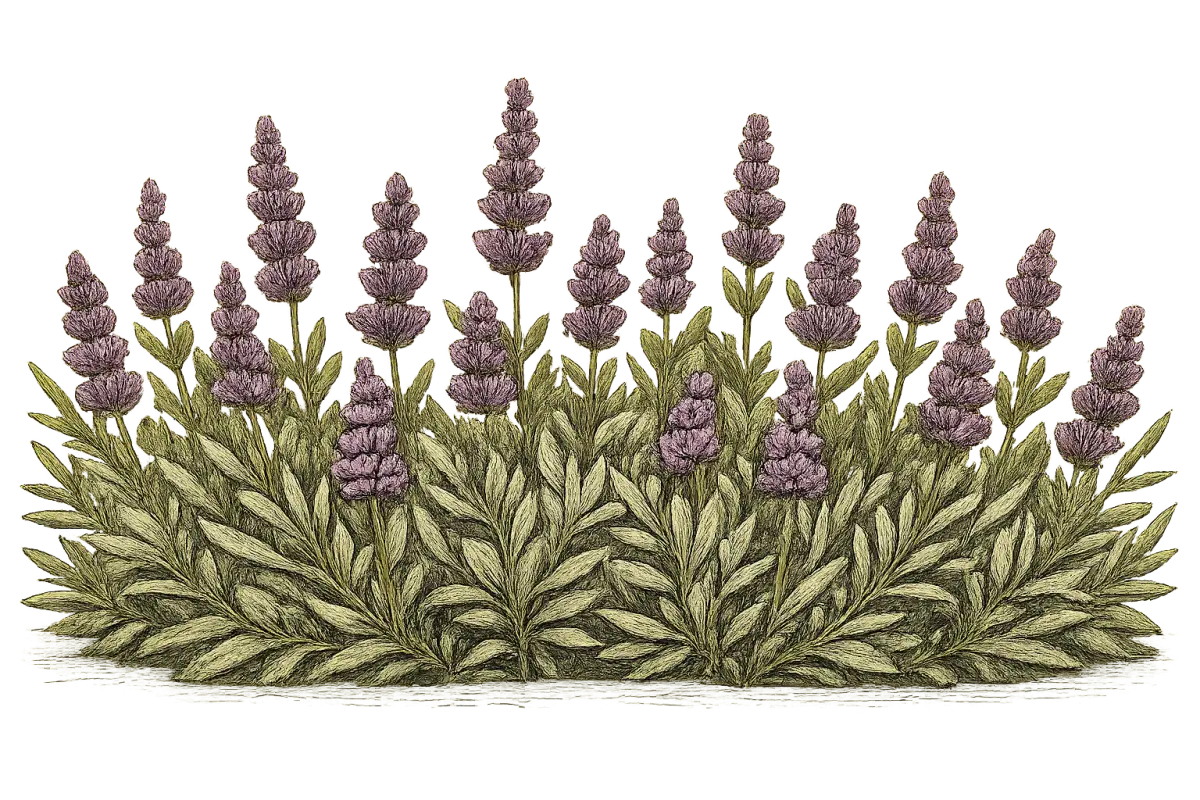
How to grow lavender — vintage botanical illustration showing the plant in detail

Lavender at a Glance

Sun

Sun

6-8 hours full sun

Soil pH

Soil pH

6.5-7.5

Water

Water

Deep and infrequent

Spacing

Spacing

15-36 inches depending on variety"

Height

Height

English: 1-2 ft

Soil type

Soil

Well-drained soil with sand

Lifespan

Lifespan

perennial

Get your personalized growing data

Enter your zip code for frost dates, growing season, and soil type.

Picture lavender the way it looks in the Provençal countryside: long silver-green wands catching the light, waves of purple rolling toward the horizon, the whole landscape scented. That image is not a fantasy reserved for perfect Mediterranean soil. It is entirely achievable in a garden bed in Virginia, Colorado, or Illinois — and it is completely out of reach if you make the one mistake that kills lavender everywhere it is tried.

That mistake is not underwatering. It is not cold. It is not planting in the wrong zone. It is wet roots. Specifically: poor drainage, overwatering, and the crown-rotting, oxygen-displacing conditions that follow. More lavender dies from saturated soil than from every disease, pest, and winter storm combined. A lavender plant rated to zone 5 will sail through a –20°F winter in well-drained soil. That same plant, in waterlogged clay in zone 7, will be dead by August.

Understand that single fact, and the rest of lavender care becomes astonishingly intuitive. Lavender evolved on Mediterranean limestone hillsides — thin, alkaline, nearly infertile soil that dries completely between rains and never stays wet. When you replicate those conditions, lavender rewards you with a decade or more of dense, fragrant, silver-foliaged beauty that asks almost nothing in return. When you fight them — by mulching with wood chips, watering on a schedule, planting in amended clay — you set yourself up for the rotted, split-open, woody plants that give lavender an undeserved reputation for being temperamental.

This guide covers everything: which species belongs in your climate, which varieties to plant by zone, how to prepare soil correctly (including the mistake that turns clay into concrete), how to water and when to stop, how to prune for a plant that lives 15 years instead of five, and how to harvest for maximum fragrance. By the end, you will understand not just what to do, but why — and that understanding is what separates the gardeners with thriving lavender hedges from the ones replacing dead plants every other spring.


Quick Answer: Lavender Growing at a Glance

USDA Zones: 3 through 10 (with the right species and variety)

Sun: 6–8 hours of direct sunlight daily — non-negotiable

Soil pH: 6.5–7.5 (neutral to slightly alkaline — unusual among perennials)

Drainage: Perfect drainage is the single most important factor; more critical than zone or variety

Mulch: Gravel or crushed stone only — never wood chips or bark

Watering: Deeply and infrequently; established plants may need none at all in rainy climates

Fertilizer: Minimal — 1 tablespoon slow-release per plant per season; over-feeding reduces flowers

Spacing: 18–36 inches depending on variety; add 25% in humid climates

Pruning: Once annually after main bloom — skip this and the plant collapses within years

Culinary use: English lavender (L. angustifolia) only — all other species contain too much camphor

Lifespan with proper pruning: 10–15 years or more


Know Your Lavender: Five Species, Very Different Plants

Before you buy a single plant, understand this: the word "lavender" on a nursery tag tells you almost nothing. The five main species have dramatically different cold hardiness, humidity tolerance, size, fragrance character, and culinary suitability. Buying without knowing the Latin species name is the number one way to end up with a gorgeous French lavender that dies in its first zone 7 winter, or an English lavender rotting in Southeast humidity.

Common names make this worse. "French lavender" is used interchangeably by different retailers to mean either Lavandula stoechas (Spanish lavender) or Lavandula dentata (true French lavender). "French hybrid" often means Lavandin, which is neither French nor a true species. The only common name you can trust completely is "English lavender," which reliably means L. angustifolia. For everything else, ask for the Latin name. Any reputable nursery should provide it.

Here is what you are actually choosing between:

English lavender (Lavandula angustifolia) is the hardiest, most versatile, and most fragrant species — the one that comes to mind when anyone pictures classic lavender. It grows 1–2 feet tall, blooms in early to mid-summer, and has the lowest camphor content of any lavender (below 0.5%), making it the only species appropriate for cooking. Hardiness extends to zone 5 for most varieties, with Munstead surviving to zone 3. Its weaknesses: it dislikes excessive humidity, and in the Southeast it needs very careful siting to avoid fungal disease.

Lavandin (Lavandula x intermedia) is the commercial powerhouse — a sterile hybrid of English lavender and Portuguese spike lavender. Significantly larger than English (2–3 feet), with the highest essential oil yield of any lavender and flower spikes that can reach 6 inches on varieties like Grosso. Its camphor content is higher than English, making culinary use limited. The most significant recent development in lavender cultivation is the variety Phenomenal, a Lavandin introduction that combines meaningful cold hardiness (to zone 4–5, rated to –20°F dormant) with exceptional humidity tolerance — a combination previously unavailable in any single variety.

Spanish lavender (Lavandula stoechas) is the showiest of the five, with striking "rabbit ear" petal bracts above compact flower heads that bloom in early spring — often before any other lavender. It is also the most frost-tender, hardy only to zones 7–9. Not for culinary use. Best deployed as a bold ornamental in warm gardens or in containers that can be moved indoors.

French lavender (Lavandula dentata) earns its place with a nearly continuous bloom season in mild climates — almost year-round in zones 9–10. Named for its toothed leaf margins, it has a subtler fragrance than English and tolerates some humidity better than most. Hardy only to zones 8–10; will not survive frost.

Portuguese / Spike lavender (Lavandula latifolia) is rarely grown on its own — its primary importance is as a parent of Lavandin. Strong camphor fragrance, late summer bloom, hardy in zones 6–9.

The decision tree is simple: cold climates (zones 5–6) call for English lavender or Lavandin. Humid climates call for Phenomenal above all else. Zones 7 and up open the door to Spanish lavender for early spring color. Zones 8–10 are where French lavender thrives. And if you want to cook with lavender, you want English lavender — specifically, confirmed L. angustifolia — every single time.


Best Lavender Varieties by Zone

Zone determines which species survive, but variety selection within that framework determines how beautifully they do it. Here is how to think about variety choice at each point on the map.

What zone are you in?

Enter your zip code for frost dates, growing season, and soil type.

Extreme Cold Zones (3–4): English Lavender or Containers

In the upper Midwest, northern plains, and Canadian border regions, your choices are narrow and your strategy must be precise. This is English lavender territory exclusively, and even there, only the hardiest varieties will reliably survive.

Munstead is the anchor recommendation — the most cold-tolerant lavender known, surviving zone 3 with good snow cover and excellent drainage. It stays compact at 12–18 inches, blooms earlier than most varieties, and has high essential oil quality matching larger plants. It is also a superb culinary variety. If you grow one lavender in zone 3 or 4, Munstead is it.

Blue Cushion is rated to –20°F dormant and deserves mention as a dwarf option for tight spaces or container cultivation. SuperBlue produces the largest blue blooms of the compact English types and is rated to zone 4. Royal Velvet survives subzero temperatures when dormant and offers rich, dark color.

The important caveat for these zones: in-ground lavender success depends heavily on snow cover, which insulates roots against temperature extremes. Consistent snow cover can effectively bump cold hardiness by one to two zones. Without reliable snow, container cultivation is the more dependable approach — overwinter plants in a cool but non-freezing garage or mudroom, and bring them out once spring temperatures stabilize.

Lavandin varieties — including Phenomenal — are generally not reliable in zones 3–4. Reserve those for zones 5 and above.

Cold Zones (5–6): The Sweet Spot for the Widest Selection

Zone 5 and 6 represent lavender's most rewarding territory in the continental United States: cold enough to need thoughtful variety selection, but warm enough that both English lavender and Lavandin varieties thrive. The challenge here is not cold — it is winter wet. More lavender dies in these zones from saturated frozen soil than from low temperatures, which makes raised beds and gravel mulch near-essential rather than optional.

For the most reliable, compact English lavender with excellent color, plant Hidcote. Its deep, rich purple is the most visually striking of any common English variety, and that color holds beautifully when dried — making it the right choice when you plan to harvest for sachets, arrangements, or crafts. Pair Munstead alongside it for the earliest blooms and culinary use, and you have two varieties that complement each other in both timing and purpose.

When you are ready to step up in plant size, Phenomenal is the upgrade that changes the landscape. This Lavandin variety brings 2–3 foot mounds of blue-lilac blooms on long stems, cold hardiness to zone 4–5, and the best humidity tolerance of any lavender introduced in decades. For zone 6 gardeners who want a hedge-scale planting or who deal with humid summers, Phenomenal is frequently the most reliable lavender available. Grosso anchors the oil-production end of the Lavandin range in these zones — its 6-inch flower spikes on long stems make it unmatched for dried bundles and essential oil, though it needs good snow cover in zone 5 to reliably survive. Provence, famous for its classic fragrance, survives –10°F and adds a billowing, large-scale presence to any planting.

One firm rule for zones 5–6: French and Spanish lavenders do not reliably survive these winters. Leave them for zone 7 and above.

Moderate Zones (7–8): Humidity Becomes the Battle

Zone 7 and 8 temperatures are entirely hospitable to lavender. The challenge is not cold — it is humidity. In coastal Georgia, the Carolinas, and most of the Mid-Atlantic, summer humidity routinely hits 80–90%, creating exactly the conditions that cause powdery mildew, Botrytis gray mold, and the crown rot that follows. The Pacific Northwest adds another dimension: winter rain rather than winter cold is the primary threat.

Phenomenal is the default recommendation for this zone — not one option among several, but the first choice by a meaningful margin. Its combination of vigor, size, and humidity resistance is what the Southeast was waiting for. When in doubt, plant Phenomenal. When you want something slightly more beginner-friendly and compact, Sensational — with its attractive silvery foliage and similar humidity adaptation — is an excellent second choice.

For bold landscape impact, Hidcote Giant (a Lavandin variety reaching 3–4 feet) offers award-winning presence. Betty's Blue, one of the few English varieties with some humidity tolerance, makes a refined choice when you want the sweeter English fragrance and culinary capability alongside reasonable disease resistance.

Zone 7 is also the threshold where Spanish lavender becomes a serious option. Anouk — compact, prolific, and striking with its classic rabbit-ear blooms — brings early spring color to the garden before any other lavender has stirred. It can bloom and fade before summer humidity peaks, making it an elegant seasonal accent rather than a main event.

Spacing in this zone is not negotiable: add 25% to any recommended spacing on the variety tag. Those extra inches of air circulation are the most effective and least expensive disease prevention available.

Warm and Hot Zones (9–10): Where the Other Species Finally Thrive

In the Deep South, Desert Southwest, and coastal California, the growing map expands. Spanish and French lavenders — frost-tender species that cannot survive colder zones — thrive in the heat of zones 9–10, and this is the only zone where they reliably live outdoors year-round.

Lavandula stoechas varieties (Spanish lavender) shine here: Anouk for compact prolific bloom, Ballerina for bicolor drama, Regal Splendour for a more formal presence. French lavender (L. dentata) offers the remarkable benefit of near-continuous bloom in mild climates — nearly year-round in coastal Southern California or central Florida. Goodwin Creek Grey is a heat-tolerant hybrid with beautiful silvery foliage that performs well across this zone range.

For oil production or large-scale planting, Phenomenal handles the heat and humidity of zones 9–10 admirably. For culinary use in desert zones (Tucson, Phoenix, Palm Springs), English lavender can be grown with afternoon shade to mitigate the most intense summer heat.

Fall planting is preferred in these zones — plants establish roots during the cooler months and enter summer with far more resilience than spring-planted specimens.

Quick Reference Table: Top Picks by Zone

Zone GroupTop VarietiesTypeWhy
3–4Munstead, Blue Cushion, SuperBlueEnglishOnly species cold-hardy enough; Munstead to zone 3
5–6Hidcote, Phenomenal, GrossoEnglish / LavandinFull selection available; Phenomenal for humid summers
7–8Phenomenal, Sensational, AnoukLavandin / SpanishHumidity tolerance is the priority; Spanish viable from zone 7
9–10Anouk, L. dentata varieties, PhenomenalSpanish / French / LavandinFrost-tender species thrive; near year-round bloom possible

Drainage, Soil, and Where to Plant

Here is the practical reality of lavender soil preparation: it is less about adding things and more about ensuring conditions that allow roots to breathe. Lavender roots require approximately 21% oxygen in the soil pore space — matching ambient air. When soil stays saturated, oxygen is displaced, roots suffocate, and fungal pathogens move in. The entire soil preparation process exists to prevent that sequence.

Sunlight First

Before soil, before drainage, before variety: does your chosen site receive 6–8 hours of direct sunlight daily? If not, stop here and find a different spot. Insufficient sun is the most common cause of lavender that produces no flowers despite otherwise healthy-looking foliage. South-facing slopes are ideal — they maximize sun exposure while providing natural drainage. Avoid low spots, areas under eaves or downspouts, and any location covered by lawn sprinklers.

The Soil Test: Does Your Site Drain?

Dig a 12-inch hole, fill it with water, let it drain, and refill. If the second fill takes more than four hours to drain, your soil needs raised beds or significant amendment. Do not skip this test. Saturated soil in winter is not visible on the surface, and it is exactly the condition that kills lavender while the gardener assumes cold is responsible.

The Sand Mistake

Never add straight sand to clay soil. This is genuinely counterproductive: sand mixed into clay creates a near-concrete substance that is worse than clay alone. Clay and silt particles fill the gaps between sand grains and seal drainage further when irrigation exceeds infiltration capacity. The correct amendment for clay is large amounts of coarse organic matter — bark mulch or coarse compost — incorporated to at least 30% of total volume in the top 6–8 inches. Even better: build raised beds filled with imported well-draining mix, at minimum 12 inches deep (18–24 inches preferred).

For individual plants where raised beds are impractical, build planting mounds 8–12 inches high and at least 18 inches across. The crown and roots are elevated above any pooling groundwater, which is the single most important physical intervention for lavender success.

Soil pH: Neutral to Alkaline

Lavender prefers pH 6.5–7.5 — neutral to slightly alkaline. This runs counter to most garden perennial advice. Lavender evolved on Mediterranean limestone hillsides where calcareous, alkaline soil is the norm. Gardeners in the Midwest, Mountain West, and Desert Southwest are likely already in range. Gardeners in the Southeast, Pacific Northwest, and Northeast — where soils tend toward acidity — will need to add lime before planting. Calcitic lime (calcium carbonate) or dolomitic lime (which adds magnesium as a bonus) both work; apply before planting and allow time to react. Above pH 8.0, iron and manganese become unavailable and you will see yellowing foliage — a small sulfur incorporation can bring pH back down in that scenario.

Gravel Mulch Is Not Optional

This is the detail that separates successful lavender beds from beautiful ones. Organic mulches — wood chips, bark, straw — retain moisture around the crown and create exactly the humid microclimate that invites crown rot, Botrytis, and Septoria leaf spot. Gravel does the opposite: it keeps the crown dry, reflects sunlight and heat back up into the plant, prevents rain splash that spreads disease, and improves drainage over time as it works into the soil surface.

Apply 2–3 inches of pea gravel, crushed stone, or small river rocks, leaving a 1–2 inch gap directly around the stem. Light-colored gravel is preferred for maximum heat and light reflection. The premium choice — and the one worth seeking out — is crushed limestone, which provides drainage, light reflection, and a slow pH benefit in one material.


Watering: The Art of Mostly Not Doing It

Lavender's relationship with water is almost the opposite of what most gardeners instinctively bring to a new planting. The instinct is to water regularly, to keep soil moist, to err on the side of generosity. With lavender, that instinct will kill the plant.

Water deeply and infrequently. Let the soil dry out completely between waterings. For established plants in a climate with regular summer rainfall, this may mean no supplemental watering at all. For established plants in a dry summer climate, it may mean a deep watering every two to three weeks during the hottest stretch of the season. Neither of these schedules resembles what most gardeners would consider "watering."

The First Season

New plants need more attention than established ones — not because they need more water, but because they have not yet developed the root system to find it. Water deeply every two days for the first week. Weeks two through four, every three to four days. Months one through three, once per week using roughly one gallon per plant per watering. Through the remainder of the first season, every one to two weeks depending on rainfall and heat.

The shift to a more lavender-appropriate watering schedule happens in year two, once the root system is established.

Established Plants

In most climates, established lavender (year two and beyond) needs a deep watering every two to three weeks during the hottest, driest summer periods — and possibly nothing at all if the season brings regular rain. During active bloom, slightly more frequent watering (once per week to once every two weeks) produces larger, more fragrant flowers. In winter, do not water at all in most climates. The exception is dry mountain climates — Colorado, Mountain West — where the root zone should not desiccate entirely through a rainless winter.

How to Water

Drip irrigation with lines placed 4–6 inches from the plant base is ideal. It delivers water to the root zone without wetting the crown or foliage. In low-humidity climates like Colorado or the Desert Southwest, overhead irrigation works equally well — foliage dries quickly enough that disease is not a concern. In the humid Southeast, Midwest, or Pacific Northwest, never use overhead watering. Wet foliage in humid air is a direct invitation to powdery mildew and Botrytis.

The diagnostic rule that will save plants: an underwatered lavender wilts but recovers immediately when you water it. An overwatered lavender wilts and does not recover — the roots are gone. If a plant is wilting, check the soil before reaching for the hose.


Pruning: The Practice That Gives You 15 Years Instead of Five

Annual pruning is not optional maintenance that can be skipped in a busy year. It is the single practice that determines whether your lavender lives a decade and a half of dense, beautiful bloom or collapses into a woody wreck within five years. The two outcomes are that different, and the difference traces entirely to whether you prune once per year.

Here is what happens without pruning: the woody base grows larger with each passing season. New green growth retreats to the tips of increasingly bare, long stems. The center of the plant opens up and eventually splits under the weight of rain or snow. Airflow through the center drops, and fungal disease follows. Eventually the plant cannot be restored. What began as a full, handsome mound becomes a hollow, splitting skeleton that no amount of care can rehabilitate.

With annual pruning, lavender lives 10–15 years or more, stays compact and dome-shaped, and blooms abundantly every season.

The Cardinal Rule

Never cut into old wood below the green leaf zone. Lavender has no latent buds in its woody tissue — it cannot regenerate from bare brown stems the way roses or hydrangeas can. If you cut below where you see green leaves emerging from the stem, that stem very likely will not regrow from that point. Before every cut, look at the stem: find the transition zone where small green leaves begin emerging from the woody base. Your cuts must stay above that boundary. Two inches above the last emerging leaves is the minimum safe cut point.

When and How Much

The primary pruning event is after the main bloom — mid to late summer for most English varieties, later for Lavandin. Prune immediately when the flowers fade. This removes spent spikes and leggy growth, controls size, maintains the dome shape, and — critically — stimulates new growth that has weeks to harden off before the first frost. Delaying this pruning into fall is one of the most common timing errors: late pruning stimulates tender new growth that winter then destroys.

Take at least one-third of each stem's length. You can safely shear back up to one-half of green growth. The goal shape is a symmetrical dome — not just for aesthetics, but because a dome sheds rain and snow rather than collecting it in a hollow center that invites splitting and rot.

In early spring, after new leaves emerge, perform a lighter secondary pruning: remove any winter-damaged or dead stems, cutting back to the first set of green leaves. CSU Extension recommends removing approximately one-third of the top at this stage. This is shaping, not the main event.

Never prune within six weeks of your first frost date. Late pruning triggers soft new growth that cold destroys — and the resulting frost damage can reach deeper into the plant than it otherwise would.

What zone are you in?

Enter your zip code for frost dates, growing season, and soil type.

Pruning in Humid Climates

In the Southeast, Midwest, and Pacific Northwest, annual pruning takes on a second function beyond aesthetics and longevity: disease prevention. An open, airy plant structure is the most effective defense against Botrytis gray mold and powdery mildew — both of which thrive in the stagnant air at the center of dense, unpruned plants. In these climates, skipping the annual shear does not just shorten the plant's lifespan. It actively creates the conditions for fungal disease that can kill within a single season.

Dealing With an Already-Woody Plant

If you have inherited a neglected lavender and are wondering whether it can be saved, the answer depends on one question: is there still green foliage anywhere on the stems above the woody base? If yes, gradual rejuvenation over two to three seasons may help — pruning at the lowest green bud each spring, allowing new growth to develop, then repeating slightly lower the following year. This is slow, uncertain work.

If the woody base constitutes more than half the plant with minimal green remaining, or if the crown has died out or shows crown rot, replace the plant and begin annual pruning from day one. A young plant with consistent annual care will surpass a declining one within two seasons.


Harvesting Lavender: Timing Is Everything

The moment of harvest determines the quality of everything you do with lavender afterward — the potency of sachets, the flavor in cooking, the color in dried arrangements, the longevity of fragrance. Cut too early and buds are underdeveloped. Cut too late and the oils have begun to volatilize; buds that were fully open at harvest shed from stems during drying and leave you with weakly fragrant sticks.

The target bloom stage varies by intended use:

For sachets, potpourri, and aromatherapy: Harvest when 10–20% of the flowers on the spike have opened — buds are plump and showing full color but mostly still closed. Aromatic oil concentration is at its peak at this stage. This is the moment the plant is most fragrant in the garden, and it is the moment to cut.

For culinary use (English lavender only): Harvest when 30–50% of flowers have opened. Flavor is more pronounced at this stage — aromatic and sweet without the green, unripe quality of under-developed buds. This timing delivers the best results for lavender-infused sugars, syrups, teas, and baked goods.

For fresh arrangements: Any bloom stage works. Fully open flowers are most visually appealing.

Harvest in the morning, after dew has evaporated but before the heat of the day peaks. Essential oils are most concentrated in morning hours; afternoon heat causes them to volatilize. Afternoon-harvested lavender from the same plant on the same day will be measurably less fragrant than morning-cut stems. Choose a dry day — wet stems carry significant mold risk through the drying period.

Cutting and Bundling

Cut stems 8–12 inches long, just above the woody base of the plant, leaving 2–3 inches of green growth. This simultaneously harvests the flowers and performs the annual pruning — the harvest is not separate from plant maintenance, it is the same action. Handle stems by the base rather than by the buds; touching buds transfers oils to your hands and reduces what remains in the finished product.

Gather 5–15 stems per bundle (10 is a reliable standard) and secure with rubber bands, not twine. Rubber bands contract as stems shrink during drying, maintaining a consistently tight grip. Twine remains the same size; stems slip out as they dry down.

Drying

Hang bundles upside down in a warm (70–85°F), well-ventilated space away from direct sunlight. Sunlight fades the purple color and degrades the fragrance oils — a covered porch, attic, or closet with the door cracked open all work well. Most bundles are fully dry in two to four weeks. Test by gently rubbing a bud; if it crumbles easily and the stem snaps cleanly when bent, it is ready. A stem that bends without breaking still contains moisture.

Once dry, transfer immediately to airtight glass jars, sealed tins, or resealable mylar bags. Store in a cool, dark location. Properly stored dried lavender retains fragrance for one to three years. Keep buds whole until use — whole buds hold fragrance longer than crushed ones.

A Word on Culinary Use

Only Lavandula angustifolia should go in food, without exception. The reason is camphor content. English lavender's camphor level is below 0.5%, producing the sweet, floral flavor that works in Herbes de Provence, lavender shortbread, infused honey, and lemon-lavender desserts. Lavandin varieties have meaningfully higher camphor and can make dishes taste bitter or medicinal at full recipe quantities. Spanish and French lavenders are not food-appropriate at all.

The best culinary varieties are Hidcote (citrusy notes and beautiful deep color that holds in food), Munstead (sweet and balanced), Royal Velvet (dark purple that stays vivid in baked goods), and Vera (high oil content, strong flavor). Start with half a teaspoon of dried buds per recipe — lavender is potent, and the most common culinary mistake is using too much.


The Problems That Kill Lavender (And How to Avoid Every One)

Most lavender failures are not mysterious. They follow predictable patterns, and nearly all of them trace back to the same two root causes: inadequate drainage and inadequate airflow. Address those two things and approximately 90% of lavender problems never appear.

The Overwatering / Root Rot Death Spiral

More lavender is killed by overwatering than by any disease, pest, winter cold, or neglect. The mechanics are always the same: saturated soil displaces oxygen from the root zone; roots suffocate; fungal pathogens — Phytophthora, Fusarium, Pythium, Rhizoctonia — thrive in the wet conditions; crown rot develops at the woody base; by the time wilting and yellowing appear, root damage is usually severe and irreversible.

The insidious part is that root rot looks like drought stress. The plant wilts. The gardener adds water. The problem accelerates. Remember the diagnostic rule: an underwatered plant wilts and recovers when you water. An overwatered plant wilts and does not recover. Root rot caused by Phytophthora and Pythium — water molds, not true fungi — does not respond to fungicide treatments. For severe infection, remove the plant entirely and do not replant lavender in the same spot.

Humidity and Fungal Disease

The Southeast US struggles with lavender not because of cold — zone 7 and 8 temperatures are entirely fine for lavender — but because 80–90% summer humidity is devastating. High humidity causes powdery mildew (white powdery coating beginning on lower leaves), Botrytis gray mold (fuzzy gray appearance at the plant base, spreading upward), and root rot driven by ambient moisture rather than irrigation mistakes.

For humid climates, raised beds with gravel mulch are not an upgrade — they are the baseline difference between success and failure. Phenomenal and Sensational were specifically developed with humidity tolerance as a design goal and should be the first choice for Southeast and Midwest gardens. Wider spacing (plus 25%) is mandatory. Drip irrigation is the only appropriate irrigation method.

Woody Legginess (The Slow Failure)

Woody, leggy lavender is not a disease and has no pathogen to blame. It is a cultural problem caused entirely by skipping annual pruning. Long bare stems with green growth only at the tips, a hollow splitting center, a plant that looks sparse and tired despite otherwise good conditions — this is what skipped pruning looks like after several years. Prevention is simple: prune annually after bloom, every year, without exception. Recovery of a severely woody plant is uncertain and slow; starting fresh with a young plant and committing to annual care is usually the faster path.

Wrong Species for the Zone

Spanish lavender (L. stoechas) dies in zone 6 winters. French lavender (L. dentata) dies anywhere frost occurs. English lavender planted in the humid Southeast without humidity-tolerant variety selection rots in summer heat. These are entirely avoidable failures, and they happen because gardeners buy what is labeled simply "lavender" without knowing the species. Always verify the Latin species name before purchasing, and match it to your zone and climate.

No Flowers

The most common cause of a healthy-looking lavender that refuses to bloom is insufficient sun. Lavender needs a minimum of 6–8 hours of direct sunlight daily. Beyond that: over-fertilization (excess nitrogen produces foliage at the expense of flowers), wrong pruning timing (cutting in spring removes flower buds before they open), and young plant patience (some plants take two to three years to bloom heavily). The fixes are site-specific, but maximizing sun is always the first step.


Companion Planting: Designing With Lavender

Lavender is one of the most design-versatile plants in the ornamental garden. Its silver-green foliage works as a neutral foil in the same way white flowers do — it sets off adjacent colors without competing with them. Deep purples and blues gain depth alongside silver; warm corals and peachy roses look dramatically more luxurious. A lavender hedge anchors a mixed border with a formality that also happens to smell extraordinary.

Beyond design, lavender is a pollinator magnet — bees arrive when the spikes open and stay for the duration of bloom. Planting lavender near any fruiting plant improves pollination outcomes simply by concentrating bee activity in that area of the garden.

The best companions share lavender's preferences: full sun, excellent drainage, lean soil, and neutral-to-alkaline pH. Rosemary is the natural partner — it came from the same Mediterranean hillsides and has nearly identical cultural requirements, creating a silvery, fragrant combination that anchors herb gardens and borders with equal elegance. Catmint (Nepeta) extends the purple-blue color palette through summer and thrives in the same conditions. Russian sage adds architectural height behind lavender with complementary color. Ornamental grasses provide movement and textural contrast.

Roses are lavender's most celebrated garden companion — and deservedly so. The combination is among the most photographed in garden design for good reason. The key is choosing roses that tolerate lean, well-drained soil rather than the amended, more moisture-retentive soil many roses prefer. Once-blooming shrub roses and species roses tend to be the most compatible partners.

Avoid plants that need moisture-retentive, acidic, or heavily amended soil — they will either fail in lavender's dry conditions or require irrigation that compromises the lavender's root zone. Hostas, astilbe, and other shade-loving moisture-lovers are the wrong neighbors. Blueberries, which prefer pH 4.5–5.5, have fundamentally incompatible soil requirements.

What zone are you in?

Enter your zip code for frost dates, growing season, and soil type.


Frequently Asked Questions

Why Does My Lavender Keep Dying Over Winter?

In almost every case, the answer is wet roots rather than low temperature. A zone 5-rated lavender in well-drained soil routinely survives –20°F. That same plant in saturated clay in zone 7 dies. Check for drainage problems before concluding your climate is the issue: does water pool near the base after rain? Is the soil still wet when you dig in several inches in late fall? Raised beds, gravel mulch, and elevated planting mounds address the actual problem. If you have been planting in unamended clay, start there.

Can I Grow Lavender in the Southeast?

Yes — with the right variety and deliberate site preparation. The challenge is humidity, not cold. Phenomenal and Sensational are the varieties developed specifically for this. Raised beds with perfect drainage, gravel mulch, wider-than-standard spacing, and drip-only irrigation are the cultural adjustments that make the difference. Most English lavender varieties will struggle in the Southeast without these measures; Phenomenal will thrive.

What Is the Difference Between Culinary and Other Lavender?

Only Lavandula angustifolia (English lavender) is appropriate for food. The determining factor is camphor content: English lavender is below 0.5% camphor, producing the sweet, floral flavor used in cooking. Lavandin varieties have higher camphor levels that can make food taste medicinal or soapy. Spanish and French lavenders are not food-appropriate. When purchasing "culinary lavender," verify the species is L. angustifolia — the label alone is not sufficient confirmation.

How Do I Know If My Plant Is Too Woody to Save?

The key question: is there still green foliage anywhere on the stems above the woody base? If more than half the plant is woody with minimal green remaining, or if the crown has died, replacing the plant and committing to annual pruning is the better path. If green growth does remain, gradual rejuvenation over two to three seasons — pruning at the lowest green bud each spring — may restore the plant. Accept that some woody lavenders cannot be saved; the important lesson is annual pruning on every new plant from the first year.

Should I Buy Seed-Grown or Cutting-Grown Plants?

Cutting-grown, always. Colorado State University Extension specifically stresses this point: English lavenders in particular do not come reliably true from seed — seed-grown plants vary widely in cold hardiness, fragrance, and appearance. This matters enormously for named varieties like Munstead and Hidcote, where predictable performance is part of what you are paying for. Ask your nursery whether plants are cutting-grown. A reputable nursery will know the answer.

When Is the Best Time to Plant Lavender?

Fall planting produces superior results — better survival rates, faster establishment, and more flowers the following season — according to CSU Extension. Fall-planted lavender develops root systems through the cooler months before the demands of spring growth begin. This requires a minimum 4-inch pot with established roots and at least two months before the first hard freeze. Spring planting is more common and perfectly viable; plant after the last frost when soil has warmed. In zones 9–10, fall through early winter is the preferred planting window.


The Payoff

Lavender asks very little once you give it what it needs at the start. The right species for your zone, a site with exceptional drainage, gravel at the surface rather than bark, and the discipline to prune once per year after bloom — those four commitments produce a plant that will anchor your garden in fragrant silver-purple for fifteen years or more. It will require almost no water after the first season, no serious fertilization, and no pest management in most climates.

The design returns are extraordinary. A well-grown lavender hedge at peak bloom is one of the most arresting sights in the ornamental garden — dense, perfectly domed, covered in spikes that move with every breeze and fill the air with scent. Cut armloads of stems on a July morning, bundle them, and hang them to dry; months later they are still fragrant. Use the dried buds in shortbread, infused into honey, or scattered in sachets among linens. This is a plant with a complete relationship to offer — beauty, fragrance, culinary possibility, and the satisfaction of working with something that responds so directly and honestly to good care.

Start with the drainage. Get the species right for your zone. Prune after the bloom. The rest will follow.

Research for this guide draws on extension service publications from Colorado State University, Utah State University, the US Lavender Growers Association, and published cultivar trial data from Peace Tree Farm. Zone and variety recommendations are based on documented field performance and hardiness records.

Where Lavender Grows Best

Lavender thrives in USDA Zones 5, 6. Explore each zone's complete guide for growing tips, companion plants, and seasonal advice.

Also possible in: Zone 7, Zone 8 (challenging but possible with the right conditions).

Not sure of your zone? Look it up by zip code →