Fruits

Mangos in America: How to Actually Grow Them (and Why Your Zone Is Not the Obstacle You Think It Is)

Sarah Whitfield

Sarah Whitfield

Fruit & Berry Specialist · Updated April 2026

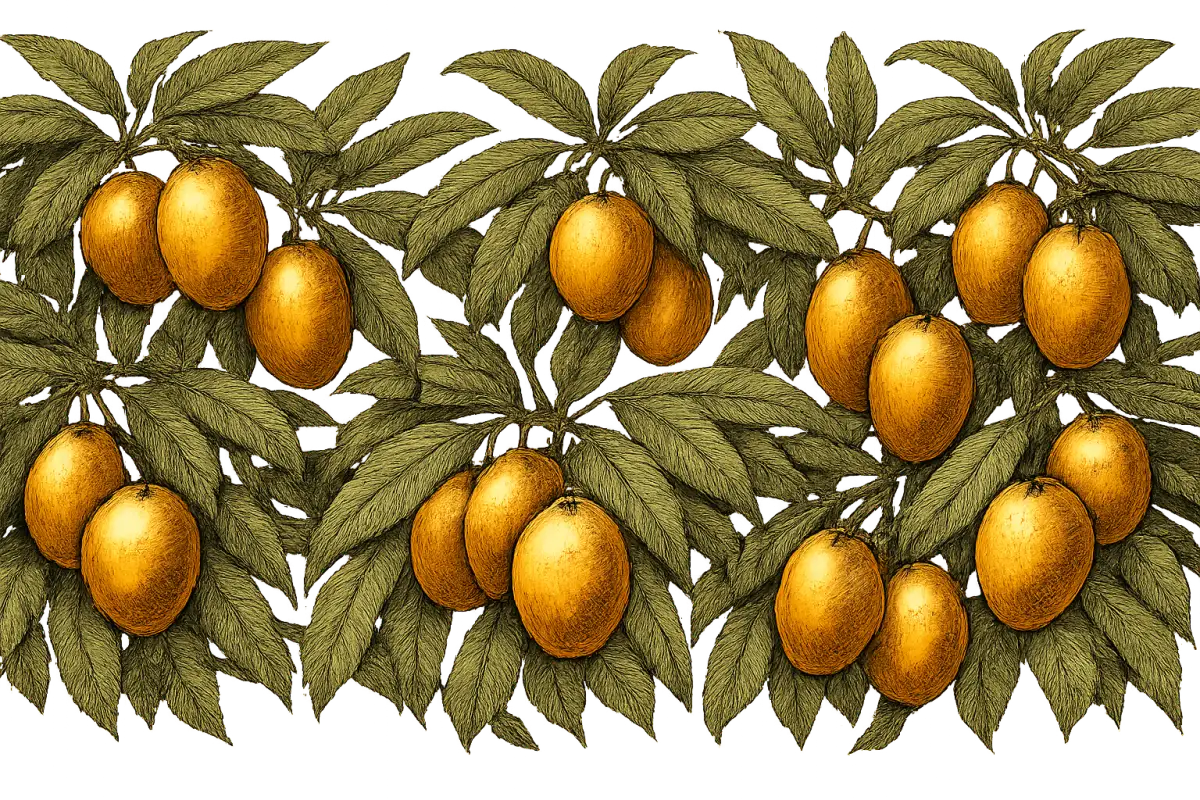
How to grow mango tree — vintage botanical illustration showing the plant in detail

Mango Tree at a Glance

Sun

Sun

6-10 hours full sun

Soil pH

Soil pH

5.5-7.5

Water

Water

Deeply but infrequently

Spacing

Spacing

25-35 ft

Days to harvest

Days to Harvest

3-5 months from pollination; grafted trees fruit in 2-3 years

Height

Height

30-60 feet

Soil type

Soil

Well-draining sandy loam (in-ground)

Lifespan

Lifespan

perennial

Get your personalized growing data

Enter your zip code for frost dates, growing season, and soil type.

Let me tell you about the mango misconception that wastes more effort than almost anything else we see: people believe growing a mango is a matter of climate. If you live in Miami, you can grow one. If you live in Chicago, you cannot. End of conversation.

That is half-true at best -- and the half that gets ignored is the interesting part.

Yes, mango trees growing permanently in the ground require zones 10a to 11. That is a small slice of the continental US. But container-grown dwarf mango trees, brought indoors for winter, produce real fruit in Boston, in Denver, in Minnesota. We have seen it work. The growers who figure this out end up with 10 to 30 mangos per year from a patio tree -- fruit that is sweeter and more aromatic than anything sold in a grocery store, because they picked it fully ripe instead of green for shipping.

What actually separates people who grow mangos successfully from people who spend years nursing a lush, leafy tree that never produces a single piece of fruit? Three things, almost every time.

First, they planted from seed. That grocery store mango pit sprouts beautifully. It also takes five to eight years to fruit, grows to sixty feet if left unpruned, and may produce stringy, turpentine-flavored fruit that tastes nothing like what you planted. The fix is simple and non-negotiable: always buy a grafted tree of a named variety. Grafted trees fruit in two to three years. Seed-grown trees are a gardening project, not a fruit production strategy.

Second, they overwatered. Mangos evolved in monsoon climates with distinct wet and dry seasons. They are not tropical in the way a fern is tropical. Wet feet kill mango roots faster than cold does. And here is the part that surprises most growers: a deliberate dry period every winter -- four to six weeks of minimal watering -- is what triggers flowering. Skip the dry stress, and you get a beautiful tree with no fruit.

Third, they had no plan for cold. One night below 40°F causes significant damage to a young mango. One night below 32°F kills a young tree outright. Moving a container tree inside on October 31st when the forecast shows 29°F is not a plan -- it is a Hail Mary. Knowing your zone and having a clear indoor transition date is what keeps a mango alive across decades of growing.

Get these three things right, and the mango becomes what it actually is: one of the most rewarding fruit trees you can grow.


Quick Answer: Mango Tree Growing at a Glance

USDA Zones (in-ground): 10a-11 only

USDA Zones (container): All zones with indoor winter storage

Sun: 8-10 hours direct sunlight preferred; 6 hours minimum

Soil pH: 5.5-7.5 (optimal 6.0-7.0); chelated micronutrients needed above pH 7.0

Drainage: Non-negotiable -- waterlogged soil kills roots rapidly

Watering: Seasonal and strategic; 4-6 week dry period in winter triggers flowering

Fertilizer: Monthly during growing season (March-October); stop November through February

Always buy: Grafted trees only -- never grow from seed for fruit production

First harvest: Year 2-3 (grafted); Year 5-8+ (seed-grown, if ever)

Yield -- in-ground mature tree: 100-200+ fruit per year

Yield -- container dwarf tree: 10-30 fruit per year

Top container variety: Pickering (true genetic dwarf; coconut-sweet; fiberless)

Top in-ground variety: Glenn (best disease resistance; earliest ripening; excellent flavor)


The Grafted Tree Rule (Non-Negotiable Before Anything Else)

Before we talk zones, varieties, or watering schedules, there is one decision that determines whether you will ever eat fruit from your tree. Buy a grafted tree, or do not plant a mango.

Here is what happens with a seed-grown tree. The fruit you find in a grocery store is almost certainly a commercial hybrid -- something like an Ataulfo or Tommy Atkins. Those varieties do not come true from seed. The seedling is genetically unpredictable. It may produce fruit that is fibrous, stringy, and tastes faintly of turpentine. It will take five to eight years before it flowers at all. It will grow to thirty to sixty feet if you let it. And if you are trying to grow it in a container -- which is the only viable approach for most of the country -- it will outgrow the container before it fruits, decline, and die.

A grafted tree of a named variety changes everything. It fruits in two to three years. You know exactly what the flavor, size, color, and growth habit will look like. Compact and dwarf varieties like Pickering are specifically propagated to stay six to eight feet tall indefinitely. The graft union scar is visible as a slight bump or angle near the base of the trunk -- if you cannot find it when shopping at a nursery, ask.

Plan to spend $40 to $80 on a quality grafted tree from a reputable tropical fruit nursery. This is not where to economize. Big box garden centers sometimes carry mango trees, but without clear variety labeling or grafting documentation, you are taking a risk. Florida nurseries ship grafted dwarf varieties nationwide; order in spring for immediate outdoor placement.


Best Mango Varieties by Zone

The zone conversation for mangos is really two separate conversations: in-ground growing for the warmest parts of the country, and container growing for everyone else. Both produce excellent fruit. The variety you choose should match your method.

What zone are you in?

Enter your zip code for frost dates, growing season, and soil type.

True Mango Country (Zones 10b-11): Growing Without Limits

South Florida -- Miami-Dade, Broward, Palm Beach counties -- Hawaii, and the Florida Keys are the only parts of the continental US where you plant a mango in the ground and simply let it grow. No frost protection infrastructure required most years. No container logistics. Just a full-size tree producing a hundred or more fruit per season from a single planting.

In these zones, variety selection comes down to flavor, disease resistance, and size management. Unpruned standard trees reach thirty to sixty feet, which is impractical for most residential yards. Choose compact varieties, or plan for regular post-harvest pruning.

Glenn is the variety we recommend first to anyone in zones 10b-11. It ripens in June -- one of the earliest of any Florida variety -- which means fruit is harvested before the peak of hurricane season. The flavor is exceptional: peach-like sweetness, smooth flesh, excellent aroma. Its disease resistance against anthracnose (the number one mango disease in humid Florida) and bacterial black spot is the best among commonly available varieties. Glenn reaches fifteen to twenty-five feet at maturity but responds well to pruning and can be maintained at a manageable height.

Cogshall is the beginner's best friend in these zones. It stays naturally compact at ten to fifteen feet -- among the smallest of the standard in-ground varieties. It bears reliably every year (many mango varieties alternate-bear, producing heavily one year and lightly the next), and its disease profile is clean. The flavor is sweet and mild rather than complex, which makes it universally appealing. If you have never grown a mango before and you are in zone 10b or 11, start with Cogshall.

Pickering deserves mention as an in-ground option here too, even though it shines brightest as a container tree. As a true genetic dwarf reaching six to eight feet, it fits in residential yards where standard trees do not. The flavor -- often described as coconut-sweet with fiberless flesh -- is outstanding, and it begins producing fruit even when young. If you have limited space in zones 10b-11, Pickering in the ground or in a large container is an excellent solution.

Nam Doc Mai #4 is the choice for flavor enthusiasts. This Thai variety produces elongated, golden-yellow fruit with a flavor profile that many consider the finest of any mango variety available to US growers -- intensely sweet, aromatic, fiberless. It is a prolific bearer. The tradeoff is that the fruit is more susceptible to post-harvest anthracnose than Glenn or Cogshall, which means you need to harvest promptly and handle carefully. Foliage, however, stays clean. If fruit flavor is your top priority and you are diligent about harvest timing, Nam Doc Mai #4 belongs in your zone 10b-11 yard.

Ice Cream (also sold as Manila) rounds out the top five. It stays compact at ten to fifteen feet, produces sweet, creamy, low-fiber fruit, and has a reliably extended harvest window from June through August. One important note: Ice Cream remains largely green even when fully ripe. Do not rely on color to judge harvest readiness with this variety -- use the flesh color near the stem and the gentle squeeze test instead.

The Frost Risk Zone (Zone 10a): In-Ground With a Plan B

Coastal South Florida margins, parts of the Rio Grande Valley in southern Texas, and coastal Southern California all fall into zone 10a -- winter lows between 30 and 35°F. Mango growing here is possible in the ground, but freeze events happen. A single night below 32°F kills a young tree outright. Mature trees can survive a brief dip to 25°F but suffer serious dieback.

In zone 10a, Glenn and Cogshall remain the top in-ground picks, specifically because their compact canopies can be fully covered with frost cloth before a freeze event. A tree you can cover is a tree you can protect. A thirty-foot standard mango tree cannot be covered in a hurry when the weather service issues a frost advisory.

Cold protection in zone 10a is not optional infrastructure -- it is the whole plan. Frost cloth draped over the canopy before a freeze provides two to four degrees of protection. Running incandescent Christmas lights (not LED -- LEDs produce no heat) through the canopy under the cloth adds another three to five degrees. Water the ground thoroughly the day before a freeze; wet soil absorbs and releases heat overnight. Pile twelve to eighteen inches of mulch around the trunk base. Wrap the trunk and especially the graft union on young trees -- this is the most vulnerable point on the entire tree.

Our recommendation for zone 10a growers: plant a Cogshall or Glenn in the ground, and keep a Pickering in a twenty-five-gallon container as your insurance policy. If an unusually hard freeze kills your in-ground tree, you have not lost years of production -- you have a backup tree that moves indoors on demand.

Container Territory (Zones 9b and Below): Everyone Gets Mangos

Zone 9b -- northern Florida, the Houston area, inland Southern California, south coastal Texas -- is where in-ground mango growing stops being reliable. A freeze to 25°F kills even mature trees. Container growing is the only sensible approach.

And for zones 4 through 9a -- the vast majority of the continental US -- container growing with indoor winter storage is the entire game plan.

The key insight here is that the best container mango varieties are not consolation prizes. Pickering is genuinely one of the finest-tasting mangos available to US growers regardless of variety type. Grown in a twenty-five-gallon pot, kept on a sunny patio from late spring through fall and moved to a south-facing window for winter, a mature Pickering produces ten to thirty fruit per year. Those fruit ripen on the tree to perfect sweetness, then come inside to your counter where they soften over one to five days into something your grocery store has never sold you.

Pickering is our top pick for containers everywhere. True genetic dwarf -- six to eight feet -- means it never outgrows the pot. Fiberless, coconut-sweet flesh. Self-fertile. Begins producing fruit early, often in year two or three.

Cogshall translates beautifully to containers in a fifteen to twenty-five gallon pot. Its naturally compact habit and reliable annual bearing make it the most consistent container producer after Pickering.

Ice Cream performs well in containers, stays manageable, and its extended harvest window is a bonus for growers who want fresh fruit over a longer season.

Nam Doc Mai #4 is worth growing in a container if extraordinary flavor is your goal. It is slightly more vigorous than the others and benefits from a larger pot -- twenty to twenty-five gallons -- but its production is prolific for a container tree.

The winter protocol matters as much as variety selection for cold-zone growers. Move the tree indoors before nighttime temperatures approach 40°F -- typically October or November depending on your location. Place it at the brightest south-facing window you have and supplement with grow lights during the short days of December and January. Keep room temperature between 65 and 80°F. Reduce watering significantly and stop fertilizing entirely from November through February. The tree will look sparse by late winter. This is normal. Resume fertilizing and increased watering in March, move the tree back outdoors after the last frost when nights reliably stay above 55°F, and watch it come back to life.

Quick Reference Table: Top Picks by Zone Group

Zone GroupTop VarietiesTypeWhy
10b-11 (in-ground)Glenn, Cogshall, Nam Doc Mai #4Standard/semi-dwarfBest flavor and disease resistance; reliable annual bearing
10a (in-ground + protection)Glenn, Cogshall, PickeringCompact/dwarfManageable canopy for frost cloth coverage
9b (container)Pickering, Cogshall, Ice CreamTrue dwarf/compactBest container producers; fit long-term in 15-25 gal
Zones 4-9a (container + indoor winter)Pickering, Cogshall, Nam Doc Mai #4True dwarf/compactIndoor-tolerant; fruiting in constrained root volume

Planting and Site Setup: Getting the Foundation Right

In-Ground Planting (Zones 10a-11)

Timing is straightforward: plant in late spring through early summer after all frost risk has passed. In South Florida, March through June is ideal. The tree goes into warm soil with months of growing season ahead of it before any cool weather arrives.

Site selection is more nuanced. Mangos need full sun -- eight to ten hours preferred, six hours minimum. They need protection from north and northwest winds, which is why UF/IFAS recommends planting on the south side of a building or established windbreak. They absolutely cannot tolerate low spots where cold air pools during winter or where water collects after rain. If your yard has one corner that always stays wet after a storm, that is the last place to plant a mango. Choose the highest, sunniest, most wind-protected spot available.

Spacing matters more than most growers expect. Standard trees need twenty-five to thirty-five feet between them. Dwarf varieties like Pickering need twelve to fifteen feet. Crowded trees trap humidity, which feeds anthracnose disease -- the primary fungal threat to mangos in Florida.

Dig the hole two to three times wider than the root ball but no deeper. Set the tree at exactly the same depth it was growing in the nursery container -- do not bury the graft union, and do not set it high enough to expose roots. Backfill with native soil; heavy amendment of the planting hole is not recommended because it discourages roots from spreading into surrounding soil. Water deeply after planting. Apply two to four inches of mulch in a ring around the tree, keeping it six inches away from the trunk.

Container Setup (All Zones)

Start with a fifteen-gallon pot for a young tree and plan to move up to a twenty-five-gallon pot as the tree matures. Dwarf varieties like Pickering can fruit productively in a fifteen-gallon pot long-term, but larger pots buffer moisture fluctuations and allow more root volume for improved production.

The potting mix is critical. Use quality commercial potting soil amended with twenty to thirty percent perlite. The perlite is not optional -- it prevents the compaction and moisture retention that kills mango roots in containers. Never use garden soil in a container; it compacts, drains poorly, and introduces pathogens. Pure peat moss is equally wrong -- it retains too much moisture and becomes hydrophobic when it dries out.

Every pot must have multiple drainage holes. Elevate it on pot feet or a plant caddy so water flows freely from beneath. Never let the pot sit in a saucer filled with standing water. This is the container version of wet feet, and it causes root rot just as surely as waterlogged garden soil.


The Watering Paradox: When Not Watering Is the Point

Mango watering has two phases, and most growers only understand one of them.

Phase one is what you expect: water the tree to support growth. Phase two is what catches everyone by surprise: stop watering to trigger flowering.

The Dry Period That Makes Everything Work

Mangos evolved in monsoon climates. Their reproductive cycle is built around a distinct seasonal rhythm: summer rains drive vegetative growth, a winter dry period combined with cooler temperatures triggers flower initiation, and the return of moisture supports fruit development.

In the continental US, we have to mimic this deliberately. For in-ground trees in South Florida, the natural dry season from November through March partially does this work for us -- but growers still need to reduce irrigation starting in November and withhold most supplemental water through January. If you continue regular irrigation through winter, the tree keeps growing vegetatively and never receives the signal to flower. You end up with a beautiful, lush, fruit-free tree.

For container trees overwintering indoors, the combination of reduced light, cooler temperatures, and deliberate reduction in watering mimics the dry season well enough to trigger bloom. Let the soil mostly dry out between waterings during the November through February indoor period. When you move the tree outdoors in spring and resume regular watering and feeding, flowering often follows within weeks.

Active Season Watering

For newly planted in-ground trees, water two to three times per week for the first several months. The root system is small and shallow -- it cannot access moisture from a wide soil volume yet. As roots establish over the first year, gradually reduce frequency.

Established in-ground trees are remarkably drought-tolerant. During the growing season, deep watering every seven to ten days is typically sufficient. In South Florida's rainy season (June through October), supplemental irrigation is often unnecessary.

Container trees need more frequent attention because their root zone dries faster and cannot pull from surrounding soil. Water when the top two inches of soil feel dry -- this might be every two to three days in summer, potentially daily during heat waves. Water until it flows freely from the drainage holes; this ensures the entire root ball gets wet, not just the top layer.

The overwatering failure mode is insidious. A mango with root rot wilts because damaged roots cannot absorb water even when soil is wet. The grower sees wilting and adds more water, accelerating the decline. Before you water a wilting mango, check the soil. If it is already moist, the problem is not drought -- it is root rot. Adding water makes it worse.

Why Drip Irrigation Beats Overhead Watering

Anthracnose, the primary fungal disease threatening mango production, spreads through water splash and thrives in humid canopy conditions. Overhead irrigation keeps foliage wet and splashes fungal spores onto healthy tissue -- it is the most efficient way to spread the disease you are trying to prevent.

Drip irrigation delivers water directly to the root zone, keeps foliage dry, reduces overall humidity in the canopy, and dramatically lowers disease pressure. If you are running overhead sprinklers on your mango, switching to drip is one of the highest-return changes you can make. At minimum, avoid any overhead watering during the bloom period from February through April -- this is when wet flowers are most vulnerable to blossom blight.


Feeding Schedule: Heavy Feeders Need a Full Table

Mangos are hungry trees, and they have specific nutritional needs that most general-purpose fertilizers only partially meet.

The Macronutrient Program

For young trees in their first two to three years, apply a balanced fertilizer such as a 6-6-6 formulation monthly during the growing season, March through October. The focus at this stage is establishing a strong root system and canopy. Start with modest amounts and increase as the tree grows.

For bearing trees three years and older, continue monthly fertilization during the growing season. Switch to a higher-potassium formula during fruiting (roughly May through August) to support fruit development, then return to a balanced formula during vegetative growth flushes.

Container trees need more frequent feeding than in-ground trees -- every two to three weeks during the growing season rather than monthly. Every watering event leaches nutrients from the potting mix, so the concentrated monthly application that works in the ground is not enough for containers. Use a slow-release granular fertilizer as a base and supplement with monthly liquid applications.

Stop all fertilizer applications by October. Resume in March. During the winter dormancy period -- indoors for container trees, dry-period rest for in-ground trees -- fertilizer drives tender new growth that is either vulnerable to cold damage or leggy and weak under low light conditions. The tree does not need feeding during its rest phase.

The Micronutrient Problem Most Growers Miss

Here is where a lot of mango growers go wrong even when they are feeding regularly. Standard fertilizers -- 10-10-10, 6-6-6 -- supply nitrogen, phosphorus, and potassium. They supply little to none of the micronutrients that mangos specifically require: manganese, zinc, and iron.

Deficiencies in these elements are immediately visible. Iron and manganese deficiency cause interveinal chlorosis -- yellow leaves with green veins remaining -- the same symptom most gardeners associate with blueberry pH problems, but in mangos it usually traces back to alkaline soil locking up micronutrient availability rather than outright absence. Zinc deficiency causes small, distorted new leaves. A tree showing these symptoms while being regularly fertilized with a standard formula is not being fed -- it is being given food it cannot use because the critical elements are missing.

Apply a micronutrient foliar spray two to three times per year during active growth. In alkaline soils -- the calcareous limestone soils common in South Florida, or the alkaline clays of the Rio Grande Valley -- standard mineral forms of iron, zinc, and manganese are chemically unavailable regardless of what you apply to the soil. Use chelated forms; Fe-EDDHA is the most effective chelated iron in alkaline conditions. UF/IFAS and Texas A&M AgriLife Extension both provide soil testing services with specific amendment recommendations for your soil type -- a soil test before planting will tell you exactly what you are working with.

What zone are you in?

Enter your zip code for frost dates, growing season, and soil type.


Anthracnose: The Disease That Makes or Breaks a Season

Every mango grower needs to understand anthracnose before they see their first bloom, not after.

Anthracnose is caused by the fungus Colletotrichum gloeosporioides. According to the University of Hawaii CTAHR, it is the most serious mango disease worldwide and the single biggest obstacle to consistent fruit production in humid climates like Florida and the Gulf Coast. In a wet bloom season, it can reduce fruit set by eighty percent or more. It attacks flowers, leaves, and fruit, and it can be latent -- invisible on fruit until it ripens, then causing post-harvest rot that destroys harvests that looked perfect at picking time.

The fungus thrives at temperatures between 77 and 86°F with humidity above eighty percent. That describes Florida's late winter and spring in a wet year -- which is precisely when mangos are flowering. A dry bloom season, which Florida's natural dry period often provides, is the best natural defense you have. El Niño years that bring wet winters can cause severe anthracnose outbreaks regardless of what fungicide program you run.

Prevention: Three Layers in the Right Order

Variety selection comes first. This is the most impactful single decision for anthracnose management. Glenn has the best overall disease resistance of any widely available variety -- good resistance in both foliage and fruit. Cogshall is a solid second choice, consistently less disease-prone than average. Pickering offers moderate resistance, acceptable for most situations. Nam Doc Mai #4 has clean foliage but susceptible fruit, meaning the fungus can infect developing fruit on the tree while remaining invisible until post-harvest ripening. Haden -- once a major commercial variety -- has poor resistance in both foliage and fruit and should be avoided in Florida and along the Gulf Coast.

Cultural practices come second. Prune for an open canopy with good airflow -- this is a powerful antifungal strategy that costs nothing once the work is done. Switch to drip irrigation or water only at the base. Remove fallen leaves and debris from the ground; decaying plant material harbors fungal spores that reinfect the tree. Space trees adequately to avoid the trapped humidity that dense plantings create.

Copper fungicide comes third. Apply copper-based fungicide at the start of bloom and repeat every seven to fourteen days if weather is wet. Timing is critical -- preventive application during bloom is far more effective than treating established infection. In a dry bloom year, you may not need fungicide at all. In a wet year, the copper program is what saves your crop.

Southern California and south Texas growers face significantly less anthracnose pressure due to drier climates. For growers in these regions, disease management is less intensive and variety selection can lean more toward flavor and size than resistance.


The Mistakes That Cost Years of Production

We have organized these by consequence, starting with what kills trees and working down to what simply delays or reduces fruit.

Growing from Seed (Wastes Years, Costs Nothing Up Front)

We have covered this, but it bears repeating with the full cost in view. A seed-grown mango costs you nothing but time -- and that is exactly the problem. Five to eight years of watering, fertilizing, pruning, and protecting a tree that produces unpredictable fruit of unknown quality. For container growers, the tree outgrows the container before it fruits and then declines. The grocery store mango pit is free the way a lottery ticket is free: it costs more than it looks.

Buy grafted. There is no version of this advice that changes.

Ignoring the Dry Period (Prevents Flowering)

Continuing normal irrigation through winter is the most common reason a healthy, well-fed mango tree never flowers. The dry period is not a rest or a pause -- it is an active trigger. Without it, the tree has no hormonal signal to shift from vegetative growth to reproductive mode. Reduce watering in November, withhold most irrigation through January for in-ground trees, and let container trees mostly dry out between waterings during indoor winter storage.

Overwatering and Poor Drainage (Kills Quickly)

Root rot from waterlogged soil can kill a mango tree within a single growing season. The death spiral is predictable: saturated soil suffocates roots and promotes pathogens, roots fail and can no longer absorb water, the tree wilts, the grower adds more water, the tree dies faster. Well-draining soil is the single most important soil characteristic for mangos -- more important than pH, more important than fertility. Never plant in low spots. Never use garden soil in containers. Never let containers sit in standing water.

Cold Exposure Without a Plan (Kills Overnight)

A single night below 32°F kills a young mango tree. Below 40°F causes significant damage to leaves and branches, setting the tree back substantially. The mistake is not knowing this -- it is having no concrete plan for when it happens. "I'll figure out the cold when it arrives" is what leads to dead trees every November in zone 9b, and occasionally in zone 10a when an unusual freeze comes through.

Make the indoor move before temperatures drop toward 40°F, not when the forecast shows 30°F. For in-ground trees in zone 10a, have frost cloth, incandescent lights, and mulch staged and ready before December. Do not use plastic sheeting -- plastic in contact with leaves conducts cold and causes worse damage than no covering at all. And do not assume LED Christmas lights provide heat protection. They do not. Only incandescent bulbs generate meaningful warmth.

Neglecting Micronutrients (Slowly Starves the Tree)

A tree that looks fed but shows interveinal chlorosis or small distorted leaves is missing manganese, iron, or zinc -- elements absent from most standard fertilizers and unavailable in alkaline soils even when present. This is a chronic slow-burn problem rather than an acute killer, but it reduces growth, flowering, and fruit quality for years before most growers identify the cause. Add micronutrient foliar spray to your rotation two to three times per year during active growth. In alkaline-soil regions, use chelated forms and test your soil pH with your county extension service.

Pulling Fruit Instead of Cutting (Damages Every Harvest)

This one gets overlooked because it seems minor. It is not. Mango sap contains urushiol-related compounds -- related to the chemical in poison ivy. When you pull a mango from the tree instead of cutting it, the torn stem releases sap onto the fruit surface. This sap burns the skin of the fruit, creating dark cosmetic damage and open entry points for post-harvest disease. It can also cause contact dermatitis on sensitive skin.

Cut every fruit with sharp bypass pruners, leaving approximately one-quarter inch of stem attached. Place the fruit stem-side down in a container for fifteen to thirty minutes to let sap drain away from the fruit surface. Wear gloves if you are sensitive to urushiol.


Harvesting: The Tree Does the Hard Work, You Just Have to Know When

From pollination in February through April, mango fruit takes three to five months to develop. The harvest window for most South Florida varieties runs June through September, with Glenn often ready as early as June and late-season varieties extending into September. Container trees outside Florida will typically run two to four weeks later in the season.

How to Read Ripeness

Mangos are climacteric fruit -- they continue ripening after harvest, like bananas and avocados. This gives you flexibility, but you still need to know what to look for.

Color change is the first signal, but it is variety-specific and can mislead. Ice Cream stays largely green when fully ripe. Pickering turns deep gold. Glenn develops an orange-red blush. Know what your variety is supposed to look like.

The most reliable single indicator across all varieties is the flesh color near the stem. Cut a tiny sliver from the stem area and check: white or pale green means not ready; yellow means harvest. This test does not lie the way exterior color sometimes does.

The gentle squeeze test is the secondary check. Ripe fruit gives slightly when pressed -- like a ripe avocado with a little yield but not soft. Rock-hard fruit is not ready. Mushy fruit has been on the tree too long; harvest immediately if you find it.

Some varieties develop a faint sweet fragrance at the stem end as they approach peak ripeness. When you smell it, pick within the next day or two.

After Harvest

Set freshly picked mangos on a counter at room temperature for one to five days until they yield to gentle pressure and smell fragrant. Do not refrigerate unripe mangos -- chilling below 55°F permanently stops the ripening process and causes flesh to become rubbery and mealy. The fruit will never recover.

Once fully ripe, refrigerate for up to five days. For longer storage, peel and cube ripe mango, freeze on a parchment-lined baking sheet, then transfer to freezer bags. Frozen mango maintains excellent flavor for six to twelve months and works beautifully in smoothies, salsas, and baked goods.

One note about flower and fruit drop: first-time growers often panic when thousands of flowers and dozens of small fruit fall from the tree. This is completely normal. Only one to two percent of mango flowers produce mature fruit. A panicle contains hundreds to thousands of tiny flowers, most of them male flowers that will never set fruit. Even bisexual flowers mostly drop. The tree self-thins aggressively in early development. Do not spray, do not overfertilize in response, do not add more water. If you are not seeing black spots on flower panicles, the drop is normal and you should wait it out.


Frequently Asked Questions

Can I Grow a Mango Tree If I Do Not Live in Florida?

Yes, and growers do it across the country. Container culture with dwarf grafted varieties -- Pickering and Cogshall are the top picks -- produces real fruit in any zone. The tree lives outdoors from after your last frost through early fall, then comes inside to a south-facing window for winter. The key requirements are at least six hours of direct outdoor sun in summer, adequate indoor light during winter (supplemented with grow lights as needed), and understanding the winter watering reduction that triggers spring flowering. Expect ten to thirty fruit per year from a mature container tree in a twenty-five-gallon pot.

Why Is My Mango Tree Not Flowering?

In nine cases out of ten: insufficient dry period. If you continued regular watering through the winter, the tree had no hormonal trigger to switch from vegetative growth to reproductive mode. Reduce watering significantly from November through January for in-ground trees, and let container trees mostly dry out between waterings during indoor winter storage. Also verify that the tree receives at least six hours of direct sunlight daily -- shaded mangos flower poorly or not at all. Young trees under two years old from grafting may simply not yet be ready; patience is required.

What Are the Yellow Leaves With Green Veins on My Mango?

This symptom is interveinal chlorosis, and for mangos it almost always traces back to micronutrient deficiency -- specifically iron or manganese -- rather than soil pH problems. The deficiency is most common in alkaline soils where these elements are chemically locked up and unavailable to roots even when present in the soil. Apply chelated iron and manganese as a foliar spray (Fe-EDDHA is the most effective chelated iron in alkaline conditions) and test your soil pH with your county extension office. If pH is above 7.5, work with acidifying fertilizers and repeat micronutrient applications to manage the problem long-term.

How Long Until My Tree Produces Fruit?

With a grafted tree and good care: expect the first small crop in year two or three. Production increases from there -- twenty to fifty fruit in years four and five for in-ground trees, approaching full production of a hundred or more fruit per year by years six through ten as the tree matures. Container dwarf trees settle into steady production of ten to thirty fruit per year once established. The variable that collapses this timeline or extends it most dramatically is weather during bloom: a dry bloom period with good pollinator activity can produce an exceptional early crop; a wet bloom year with heavy anthracnose pressure can reduce fruit set significantly regardless of how well the tree is cared for.

Is Mango Sap Dangerous?

Yes, for sensitive individuals. Mango sap contains compounds related to urushiol -- the same chemical responsible for poison ivy reactions. Contact with sap from freshly cut stems can cause contact dermatitis, including rash and blisters, in people who are sensitive to urushiol. If you have ever had a significant reaction to poison ivy or poison oak, wear gloves when harvesting and handling freshly cut mango stems. Wash hands immediately after any contact. The fruit flesh itself is safe to eat; it is the sap from the stem area that causes the concern. Cut fruit stem-side down and wipe the stem area clean before handling.

What Pot Size Do I Need for a Container Mango?

Start with a minimum fifteen-gallon pot for a young tree. Move to twenty-five gallons as the tree grows -- typically after two to three years, or when roots begin circling the inside of the pot or water runs straight through without being absorbed. Pickering can produce fruit long-term in a fifteen-gallon pot, but larger containers buffer moisture fluctuations better and support higher yields. Use a potting mix with twenty to thirty percent perlite. Ensure the pot has multiple drainage holes and is elevated so water drains freely from beneath.

What zone are you in?

Enter your zip code for frost dates, growing season, and soil type.


The Bottom Line

Mangos are not impossible outside of Florida. They are specific. Get the grafted tree. Understand that the winter dry period is what triggers fruit, not just warmth. Give the tree full sun, well-draining soil, and a clear cold protection plan before the first frost of the year -- not during it.

In zones 10b and 11, plant Glenn or Cogshall in the ground and let the tree do what it was born to do. In zone 10a, add frost cloth and incandescent lights to that plan and keep a container backup. Everywhere else, grow Pickering in a twenty-five-gallon pot, move it inside before October temperatures drop toward 40°F, and collect ten to thirty mangos a year from a tree that fits on your porch.

The fruit from a tree-ripened home mango is genuinely different from what you buy at the store. Grocery store mangos are picked green for shipping durability. Yours come off the tree at peak sweetness, soften over a few days on your counter, and taste like what you imagined when you first planted the tree. That is worth the learning curve.

Start with the right variety. Plan for cold before cold arrives. Remember to let the tree get thirsty in winter.

Research for this guide was synthesized from publications and guidance provided by UF/IFAS (University of Florida Institute of Food and Agricultural Sciences), University of Hawaii CTAHR (College of Tropical Agriculture and Human Resources, publication PD-48), Texas A&M AgriLife Extension, and supplementary sources including Epic Gardening and Green Dreams FL. Variety performance data is based on cultivar trial records and field performance reports from South Florida and container growing communities across the US.

Where Mango Tree Grows Best

Mango Tree thrives in USDA Zone 10. Explore each zone's complete guide for growing tips, companion plants, and seasonal advice.

Not sure of your zone? Look it up by zip code →